The oil and gas sector, a global engine for energy and economic activity, presents a complex array of business opportunities for those prepared to navigate its unique dynamics. Entering this industry requires a clear understanding of its segmented value chain, significant capital requirements, and the specific risks and rewards inherent in each segment. This explanation details the various entry points, from direct resource extraction to specialized support services and downstream product distribution, providing a framework for identifying viable ventures within this capital-intensive landscape.
Understanding the Oil and Gas Value Chain
The oil and gas industry operates through a distinct, interconnected value chain, each stage offering different business models and investment profiles. Opportunities often align with one or more of these primary segments:
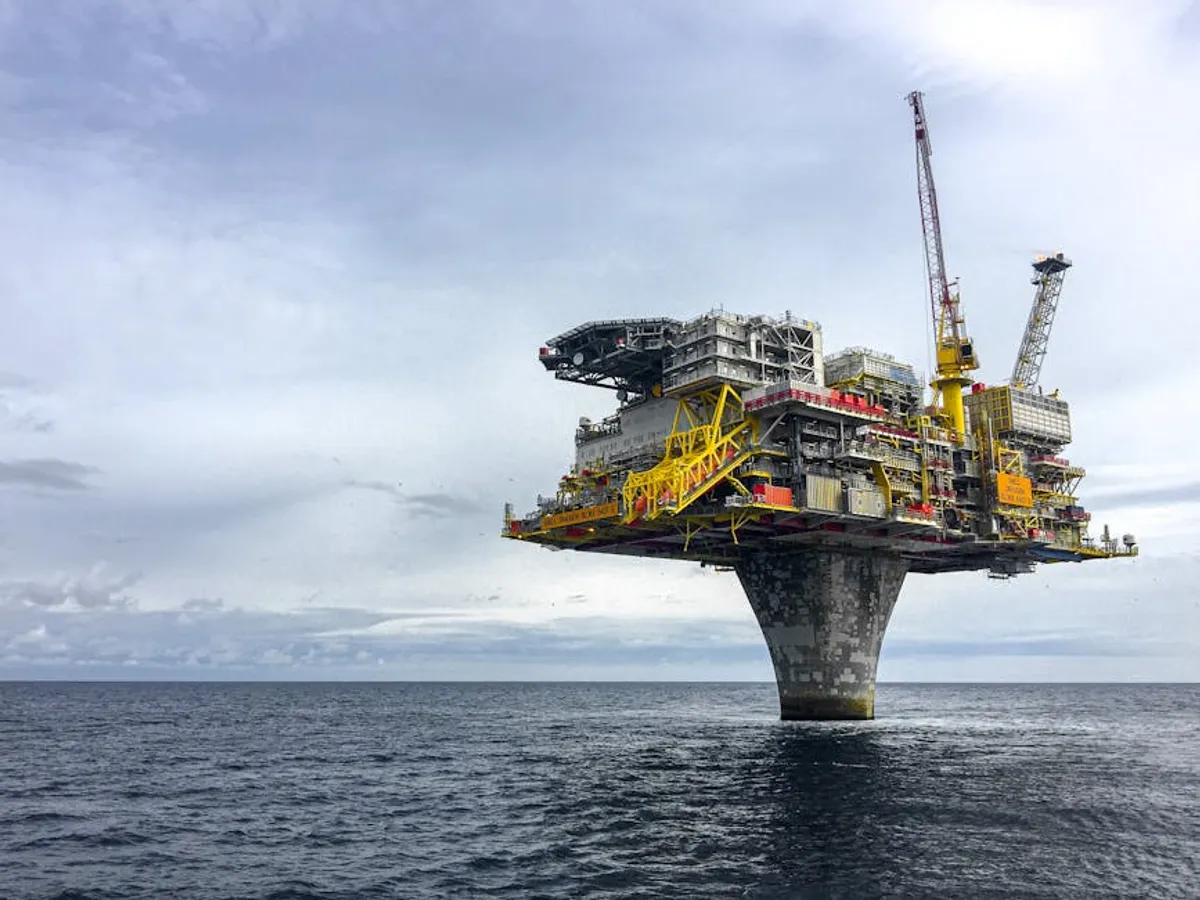
- Upstream (Exploration & Production - E&P): This segment focuses on locating, drilling, and extracting crude oil and natural gas from underground or underwater reservoirs. It involves significant geological surveys, drilling operations, and well completion.
- Midstream (Transportation & Storage): Once extracted, oil and gas must be transported from production sites to refineries and processing plants. This involves pipelines, tanker ships, rail cars, and trucks, alongside large-scale storage facilities like tank farms and underground caverns.
- Downstream (Refining & Marketing): This stage processes crude oil and natural gas into finished products. Refineries transform crude oil into gasoline, diesel, jet fuel, lubricants, and petrochemical feedstocks. Marketing then distributes these products to commercial and consumer markets.
- Oilfield Services (OFS): This segment provides the specialized equipment, technology, and personnel necessary to support upstream operations, including drilling services, well maintenance, seismic surveying, and environmental compliance.
Exploring Upstream Opportunities
Upstream ventures are often characterized by high capital expenditure and geological risk, but also potential for substantial returns. Direct E&P requires extensive expertise and permits.
Mineral Rights and Royalty Acquisition
An indirect approach to upstream participation involves acquiring mineral rights or royalty interests. This allows individuals or entities to receive a percentage of revenue from oil and gas produced on specific land without directly managing drilling or operational risks. These are often long-term passive investments, contingent on sustained production.
Small-Scale Production and Enhanced Recovery
Opportunities exist in acquiring and optimizing existing, smaller-scale wells that larger operators might deem uneconomical. Implementing enhanced oil recovery (EOR) techniques, such as waterflooding or CO2 injection, can extend the life and productivity of mature fields. This often requires specialized engineering knowledge and efficient operational management to maximize output from declining assets.
Midstream: Connecting Production to Markets
Midstream operations are less exposed to commodity price volatility than upstream ventures, relying more on long-term contracts for transportation and storage fees. They are capital-intensive due to infrastructure requirements.
Logistics and Transportation Services
The movement of crude oil, natural gas, and refined products from production sites to processing centers and then to end-users creates demand for specialized logistics. This includes operating or managing fleets of tanker trucks, rail cars, and barges. Niche opportunities exist in transporting specific types of crude, liquefied natural gas (LNG), or highly refined products that require specialized handling and safety protocols.
Storage Infrastructure Development
Developing and operating storage facilities, such as crude oil terminals, natural gas storage caverns, or refined product tank farms, provides critical infrastructure. These assets often generate revenue through leasing storage capacity and handling fees, offering stable income streams tied to the overall flow of commodities.
Pro Tip: Due diligence in the oil and gas sector must extend beyond financial projections to include comprehensive regulatory and environmental compliance assessments. Unforeseen permitting delays, changes in environmental policy, or remediation costs can significantly impact project timelines and profitability. Engage specialized legal and environmental consultants early in the evaluation process to identify and mitigate these often-complex risks.
Downstream Ventures and Niche Products
Downstream opportunities are closer to the consumer market, involving refining, processing, and distribution of finished petroleum products. Profitability here often depends on refining margins and market demand for specific products.
Specialty Chemical Production
Refining crude oil produces various byproducts and feedstocks used in the petrochemical industry. Opportunities exist in manufacturing specialty chemicals, plastics, fertilizers, and synthetic materials derived from these feedstocks. This sector requires strong R&D capabilities and market understanding for specific industrial applications.
Retail Fuel Distribution and Franchising
Operating or franchising retail fuel stations, often combined with convenience stores, provides a direct consumer-facing business. While competitive, success hinges on location, efficient supply chains, and effective customer service. Bulk fuel distribution to commercial clients, such as trucking companies, agricultural operations, or industrial facilities, also presents a distinct opportunity requiring robust logistics.
Oilfield Services: The Backbone of Operations
Oilfield services companies provide essential support across the upstream value chain. This segment is highly responsive to drilling activity levels and technological advancements.
Equipment Rental and Maintenance
The capital cost of drilling and production equipment is substantial. Businesses specializing in renting out drilling rigs, well completion equipment, pumps, and specialized tools, along with providing maintenance and repair services, are integral to the industry. Demand for these services fluctuates with E&P spending.
Environmental and Safety Compliance
As regulatory scrutiny increases, services focused on environmental compliance, waste management, spill response, and safety training are in high demand. This includes consulting, specialized equipment, and personnel for site remediation, emissions monitoring, and ensuring adherence to local, national, and international standards.
Data Analytics and Geoscience Technology
The application of advanced technology in exploration and production offers significant opportunities. Companies providing seismic data acquisition and interpretation, reservoir modeling software, predictive maintenance analytics for equipment, and remote monitoring solutions help operators optimize efficiency and reduce costs. This area benefits from expertise in data science, AI, and specialized geological software.
Navigating the Landscape: Practical Considerations
Success in the oil and gas industry hinges on a comprehensive understanding of several overarching factors:
- Market Cycles and Commodity Prices: The industry is inherently cyclical, with profitability heavily influenced by global supply and demand dynamics, which dictate crude oil and natural gas prices.
- Regulatory Environment: Operating in this sector involves navigating complex and evolving environmental regulations, permitting processes, and land use laws at multiple governmental levels.
- Technological Advancements: Innovation in drilling techniques (e.g., horizontal drilling, hydraulic fracturing), seismic imaging, and data analytics continuously reshapes operational efficiency and access to resources.
- Capital Requirements: Many oil and gas ventures are highly capital-intensive, requiring significant upfront investment in infrastructure, equipment, and exploration.
- Geopolitical Stability: Global supply chains and resource access are often impacted by international relations and regional stability.
Identifying Your Entry Point
For those considering engagement with the oil and gas sector, a strategic approach involves aligning capabilities and capital with specific industry needs. Evaluate whether your strengths lie in asset-heavy infrastructure development (midstream), technology and specialized services (OFS), or market-facing distribution (downstream). Understand the risk profile associated with each segment and the long-term market outlook for the specific commodities or services you plan to address. Partnerships with established industry players can also mitigate entry barriers and provide access to necessary expertise and capital.
Frequently Asked Questions
What are the primary risks associated with oil and gas investments?
Key risks include commodity price volatility, significant capital requirements, stringent and evolving environmental regulations, geopolitical instability affecting supply chains, and the inherent operational risks of drilling and transportation.
Is the oil and gas industry still a growth sector given the energy transition?
While global energy transition efforts are accelerating, oil and gas remain critical components of the global energy mix for decades to come, especially for transportation, industrial processes, and petrochemicals. Growth opportunities are increasingly focused on efficiency, technological innovation, and niche markets.
What kind of capital is typically required to start an oil and gas business?
Capital requirements vary widely. Upstream exploration and midstream infrastructure can demand hundreds of millions to billions of dollars. Smaller-scale oilfield services or retail distribution might start in the millions, but even these require substantial investment compared to many other industries.
Are there opportunities for technology companies in oil and gas?
Yes, significant opportunities exist for technology companies providing solutions in areas such as seismic data analytics, artificial intelligence for reservoir modeling, predictive maintenance for equipment, cybersecurity for operational technology, and environmental monitoring and compliance software.