
Businesses operate within an increasingly complex energy landscape, where stability and predictability are no longer guaranteed. Geopolitical shifts, extreme weather events, cyber threats, and volatile commodity markets all contribute to a heightened risk of energy disruption. For any commercial entity, understanding and actively managing energy security is not merely a cost-saving exercise; it is a critical component of operational resilience, supply chain stability, and long-term competitive advantage. Ignoring these dynamics can lead to significant financial losses, reputational damage, and an inability to meet customer demands. This necessitates a proactive approach to identifying vulnerabilities and implementing robust strategies to safeguard energy access and cost predictability.
The Business Imperative of Energy Security
Energy security extends beyond simply having enough power; it encompasses the reliable, affordable, and sustainable access to the energy resources required to operate. For businesses, this translates into several core imperatives:
- Operational Continuity: Uninterrupted power is fundamental for manufacturing, data centers, retail, and service industries. Disruptions lead to downtime, lost production, missed deadlines, and direct financial losses.
- Cost Predictability and Stability: Volatile energy prices can erode profit margins and complicate financial forecasting. Hedging against these fluctuations through diversified sources or efficiency measures provides a competitive edge.
- Supply Chain Resilience: Energy is an input for nearly every stage of a supply chain. A secure energy supply for a business's operations and its key suppliers reduces overall supply chain risk.
- Regulatory Compliance and ESG Goals: Increasingly, regulations and investor expectations demand sustainable and resilient energy practices. Demonstrating strong energy security measures contributes to environmental, social, and governance (ESG) objectives.
- Reputation and Investor Confidence: Businesses that consistently manage energy risks and demonstrate resilience are viewed more favorably by customers, partners, and investors.
Key Threats to Business Energy Security
Understanding the specific risks is the first step toward mitigation. Businesses face a multifaceted threat environment:
Geopolitical and Supply Chain Disruptions
International conflicts, trade disputes, and natural disasters can disrupt global energy supply chains, impacting the availability and price of fossil fuels. Businesses reliant on a single energy source or a narrow set of suppliers are particularly vulnerable to these external shocks.
Grid Instability and Infrastructure Vulnerabilities
Aging national grids, increasing demand, and the growing frequency of extreme weather events (storms, heatwaves) contribute to power outages and brownouts. The concentration of critical infrastructure in certain areas also presents single points of failure.
Cybersecurity Risks
Energy infrastructure, from power plants to distribution networks, is a prime target for cyberattacks. A successful attack can lead to widespread outages, data breaches, and significant operational paralysis for businesses dependent on these systems.
Price Volatility
Global commodity markets, carbon pricing mechanisms, and regional supply-demand imbalances can cause rapid and unpredictable fluctuations in energy costs. This volatility makes long-term budgeting challenging and can impact profitability.
Policy and Regulatory Changes
Shifts in government energy policy, such as changes to subsidies, carbon taxes, or renewable energy mandates, can alter the cost structure and availability of certain energy sources, requiring businesses to adapt rapidly.
Strategies for Enhancing Business Energy Security
Proactive measures are essential for building resilience. A multi-pronged approach typically yields the most robust outcomes.
Diversification of Energy Sources
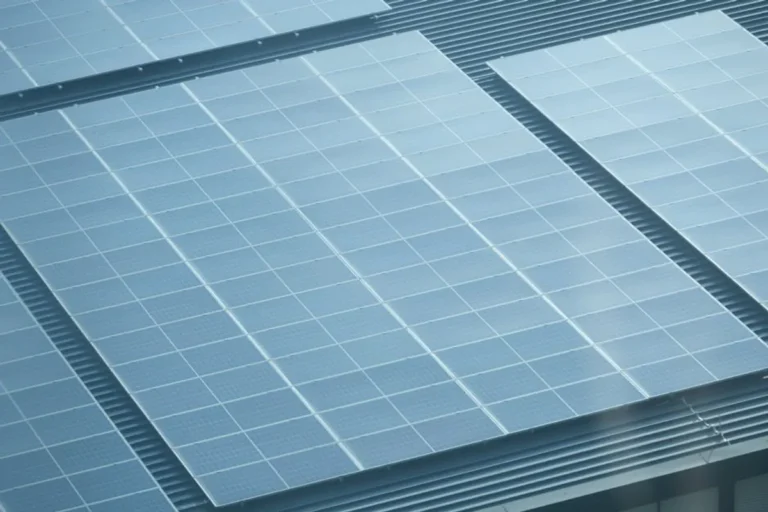
Reducing reliance on a single energy input is fundamental. This includes integrating on-site renewable generation (e.g., rooftop solar, small-scale wind), exploring co-generation or combined heat and power (CHP) systems, and investing in battery storage solutions. Microgrids, which can operate independently from the main grid, offer localized resilience for critical operations.
Energy Efficiency and Demand Management
The most secure energy is the energy not consumed. Investing in energy-efficient equipment, smart building management systems, and optimizing operational processes can significantly reduce overall energy demand. Demand-side management programs allow businesses to strategically shift energy use to off-peak hours, reducing costs and strain on the grid.
Supply Chain Resilience for Energy Inputs
Establishing relationships with multiple energy suppliers, negotiating long-term contracts with fixed or capped pricing, and exploring local energy procurement options can mitigate risks associated with distant or unreliable supply chains.
Risk Assessment and Contingency Planning
Regularly assessing energy vulnerabilities, developing detailed business continuity plans for power outages, and investing in backup power systems (e.g., generators with sufficient fuel reserves) are crucial. These plans should be tested periodically.
Leveraging Advanced Technology
The Internet of Things (IoT) can provide real-time energy consumption data, allowing for immediate identification of inefficiencies or potential issues. AI-driven analytics can optimize energy use, predict demand, and manage distributed energy resources more effectively.
Pro Tip: When evaluating energy security investments, look beyond the immediate payback period. Factor in the avoided costs of downtime, potential regulatory fines, and the enhanced brand reputation that comes with demonstrated resilience. The true ROI of energy security often lies in preventing catastrophic disruptions.
Building a Resilient Energy Future
Implementing an energy security strategy is an ongoing process, not a one-time project. It begins with a comprehensive energy audit to understand current consumption patterns, identify critical loads, and pinpoint vulnerabilities. From there, businesses should:
- Set Clear Goals: Define what energy security means for your specific operations, whether it’s 99.99% uptime, 50% renewable energy use, or a 20% reduction in peak demand.
- Prioritize Investments: Based on risk assessment, allocate resources to the most impactful solutions first. Consider government incentives, grants, and financing options for renewable energy and efficiency upgrades.
- Monitor and Adapt: Continuously track energy performance, review market conditions, and update your strategy as technology evolves and new threats emerge. Engage with energy consultants or specialized service providers to stay ahead of trends.
By treating energy security as a core business function, companies can transform potential liabilities into strategic assets, ensuring stability and sustainability in an unpredictable world.
Frequently Asked Questions
What is energy security for a business?
Energy security for a business means having reliable, affordable, and sustainable access to the energy resources necessary for its operations, ensuring continuity and minimizing exposure to price volatility or supply disruptions.
How can small businesses improve their energy security?
Small businesses can enhance energy security through measures like conducting energy audits, upgrading to energy-efficient equipment, installing on-site solar panels, using smart thermostats, and developing a basic power outage contingency plan with backup generators or UPS systems for critical functions.
What role do renewable energy sources play in business energy security?
Renewable energy sources like solar and wind contribute significantly to business energy security by diversifying the energy mix, reducing reliance on volatile fossil fuel markets, providing on-site generation for greater independence, and mitigating carbon emission risks.
Why is energy security becoming more critical for businesses now?
Energy security is increasingly critical due to rising geopolitical instability, more frequent extreme weather events impacting grids, growing cybersecurity threats to infrastructure, and increased market volatility, all of which pose significant risks to operational continuity and profitability.