
The energy sector is undergoing a fundamental transformation, driven by more than just environmental mandates. Economic viability, geopolitical stability, and rapid technological advancements are reshaping how power is generated, stored, and distributed. For businesses, investors, and policymakers, understanding these shifts requires looking beyond sensational headlines to the practical, commercial realities of emerging energy solutions. This analysis identifies key trends poised to redefine infrastructure, supply chains, and market dynamics, offering a lens through which to evaluate strategic opportunities and risks in the evolving energy landscape.
Advancements in Energy Storage: Beyond Lithium-Ion
While lithium-ion batteries dominate electric vehicles and short-duration grid storage, the demand for long-duration, cost-effective solutions is accelerating. Grid operators and industrial users require storage capable of discharging power for 8 to 100+ hours to balance intermittent renewables and ensure reliability. This has spurred significant investment in alternative chemistries and technologies.
Key Developments:
- Flow Batteries: These systems store energy in liquid electrolyte solutions in external tanks, allowing for independent scaling of power and energy capacity. Vanadium redox flow batteries (VRFBs) are the most mature, offering cycle lives exceeding 20,000 cycles and non-flammable operation, making them suitable for multi-day grid support and industrial applications where footprint is less critical than longevity and safety.
- Solid-State Batteries: Though still largely in the R&D phase for large-scale applications, solid-state technology promises higher energy density and improved safety over traditional lithium-ion. Their potential to reduce battery size and weight could open new avenues for distributed energy resources and specialized industrial equipment.
- Thermal Energy Storage: Utilizing molten salts, concrete, or other materials to store heat, often from concentrated solar power or excess electricity, and then converting it back to electricity via steam turbines. This approach offers cost-effectiveness for very long-duration storage (days to weeks) at utility scale, particularly in regions with high solar irradiance.
The commercial viability of these technologies hinges on further cost reductions and demonstrated operational lifespans under varied conditions. Early adopters are primarily utilities and large industrial facilities seeking grid stabilization and peak shaving capabilities.
Decentralized Grids and Microgrids: Reshaping Distribution
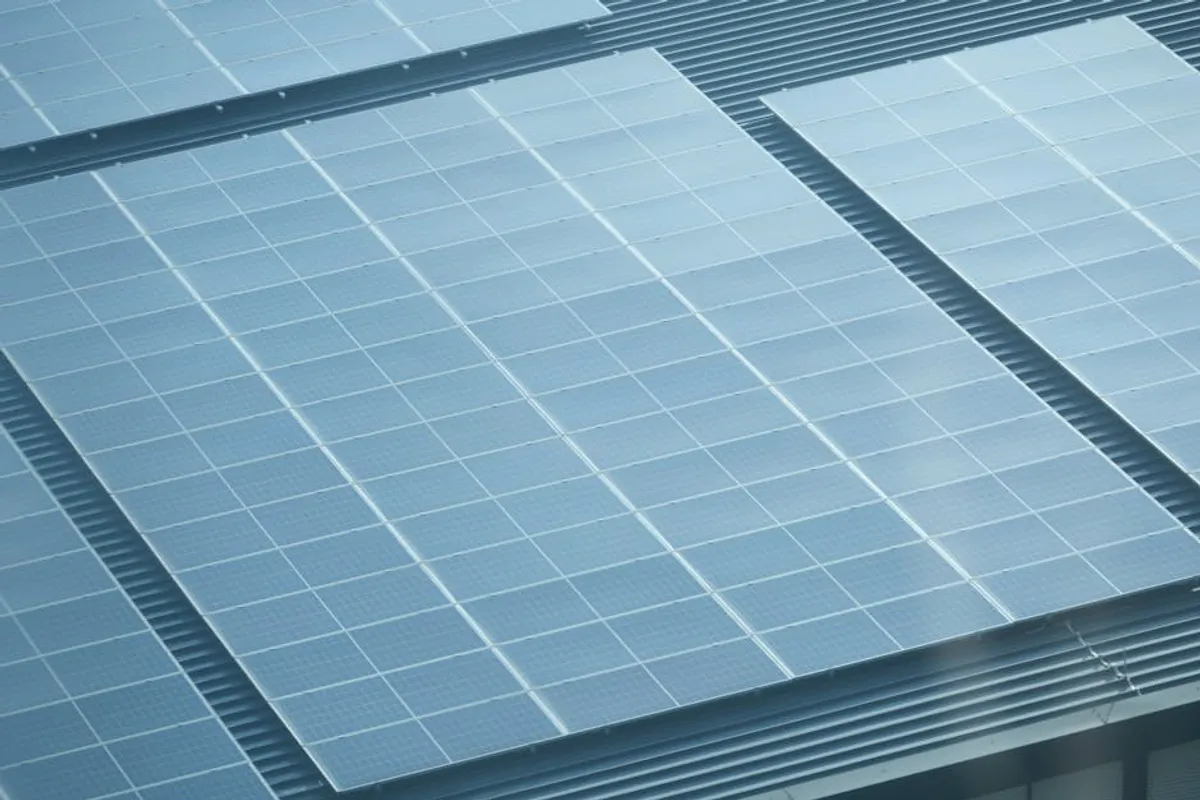
The traditional centralized grid model is evolving towards a more distributed architecture. Decentralized energy resources (DERs) – including rooftop solar, small wind turbines, and battery storage – are becoming integrated at the local level. This shift enhances resilience, reduces transmission losses, and offers greater energy independence.
Microgrids, self-contained energy systems capable of operating independently from the main grid, are a practical manifestation of this trend. They are increasingly deployed in critical infrastructure (hospitals, military bases), remote communities, and industrial parks to ensure continuous power supply during grid outages.
Commercial Drivers:
Businesses are investing in microgrids to mitigate financial losses from power interruptions and to gain control over energy costs through optimized local generation and consumption. The integration of advanced metering infrastructure and smart grid software allows for real-time energy management, demand response, and peer-to-peer energy trading within these localized networks.
Green Hydrogen: Scaling Production and Applications
Green hydrogen, produced by electrolyzing water using renewable electricity, is emerging as a critical vector for decarbonizing hard-to-abate sectors. Unlike grey or blue hydrogen, its production carries minimal to zero carbon emissions, making it a cornerstone of long-term climate strategies.
Practical Applications:
Beyond its potential as a clean fuel for heavy transport and aviation, green hydrogen is gaining traction as a feedstock for industrial processes (e.g., ammonia production for fertilizers, steel manufacturing) and for long-term energy storage. Excess renewable electricity can be converted to hydrogen and stored, then reconverted to electricity or used directly when needed. The commercial challenge lies in reducing the cost of electrolysis and developing robust infrastructure for transport and storage.
Pro Tip: When evaluating long-term energy investments, consider the regulatory stability and incentive structures in target regions. Policy frameworks, such as carbon pricing, clean energy mandates, and tax credits, significantly influence the economic viability and deployment timelines for emerging energy technologies. Market entry strategies must account for these evolving legislative landscapes.
Modular Nuclear: A Reconsidered Baseload
Small Modular Reactors (SMRs) represent a paradigm shift in nuclear power generation. These advanced nuclear reactors are significantly smaller than traditional plants, designed for factory fabrication and modular assembly, which promises lower capital costs, shorter construction times, and enhanced safety features. SMRs can be deployed in diverse locations, including remote areas or industrial sites requiring reliable, carbon-free baseload power.
Their flexibility allows them to integrate more effectively with intermittent renewable sources, providing stable power when solar or wind generation is low. The commercial appeal of SMRs lies in their potential to provide a consistent, dispatchable power source without the large upfront investment and lengthy construction associated with conventional nuclear facilities. Regulatory approval and public acceptance remain critical hurdles for widespread deployment.
Carbon Capture and Utilization: Industrial Imperative
Carbon Capture, Utilization, and Storage (CCUS) technologies are becoming essential for decarbonizing heavy industries like cement, steel, and chemicals, where process emissions are difficult to eliminate. Beyond simply storing CO2 underground, the focus is increasingly shifting towards utilization – transforming captured carbon into valuable products.
Emerging Utilization Pathways:
- Enhanced Oil Recovery (EOR): Injecting CO2 into oil fields to increase extraction, a commercially established but controversial method due to its link to fossil fuel production.
- Building Materials: CO2 can be mineralized into concrete or other construction materials, offering a permanent sequestration solution with economic value.
- Synthetic Fuels (e-fuels): Combining captured CO2 with green hydrogen to produce synthetic fuels like methanol or kerosene, offering a circular carbon economy for sectors difficult to electrify.
The commercial viability of CCUS is improving with technological advancements and policy support, such as tax credits for carbon capture. Industrial clusters are forming to share infrastructure and reduce costs, creating new opportunities for specialized service providers.
Geothermal's Quiet Renaissance: Harnessing Earth's Heat
Geothermal energy, a constant and reliable baseload power source, is experiencing renewed interest, particularly with advancements in Enhanced Geothermal Systems (EGS). Unlike traditional geothermal, which relies on naturally occurring hot water reservoirs, EGS involves drilling deep wells and creating artificial fracture networks to circulate water and extract heat from hot, dry rock formations.
This technology significantly expands the geographic potential for geothermal power generation, making it viable in regions previously considered unsuitable. EGS promises 24/7 power generation with a minimal surface footprint and low operational emissions. The primary commercial challenges are the high upfront drilling costs and the technical complexities of reservoir creation and management. However, continued innovation in drilling techniques and seismic imaging is steadily improving the economic outlook for EGS projects.
Strategic Considerations for the Evolving Energy Landscape
Navigating the future of energy requires a multi-faceted approach that integrates technological understanding with market foresight and policy awareness. Businesses should assess their exposure to energy price volatility and supply chain disruptions, considering how decentralized generation and advanced storage can enhance operational resilience. Strategic partnerships across industries – from technology developers to infrastructure providers and end-users – will be crucial for scaling these emerging solutions. Furthermore, continuous engagement with regulatory bodies and public stakeholders is essential to ensure a supportive environment for innovation and deployment.
Frequently Asked Questions
What is the biggest barrier to adopting these new energy technologies?
The primary barriers often include high upfront capital costs, the need for significant infrastructure development, and the complexities of integrating new technologies into existing energy grids and regulatory frameworks.
How will these trends impact existing energy infrastructure?
These trends will necessitate substantial upgrades and modernization of existing grids, moving towards smart grid capabilities, and potentially decommissioning or repurposing older, less efficient fossil fuel assets. Decentralization will shift some investment towards local distribution networks.
What role does government policy play in accelerating these trends?
Government policies, including carbon pricing, renewable energy mandates, tax incentives, R&D funding, and streamlined permitting processes, are critical for de-risking investments and accelerating the commercial deployment and market adoption of new energy technologies.
Are these technologies truly economically viable without subsidies?
While many emerging energy technologies currently benefit from subsidies or incentives, ongoing innovation, economies of scale, and increasing carbon costs are steadily improving their unsubsidized economic viability. Some, like certain forms of geothermal or long-duration storage, are approaching grid parity in specific market conditions.