The global oil and gas supply chain represents one of the most complex and capital-intensive logistical networks in existence. For professionals operating within or adjacent to the energy sector—from investors and logistics providers to technology vendors and marketing strategists—a precise understanding of its mechanics is not merely academic; it is foundational for strategic planning, risk assessment, and identifying commercial opportunities. This chain is not a simple linear progression but a deeply interconnected, often volatile system that dictates global energy markets and influences geopolitical stability. Grasping its operational intricacies, from the initial extraction to final consumption, clarifies the immense challenges and the critical points of value creation and vulnerability.
Upstream: Exploration and Production
The upstream segment initiates the supply chain, encompassing all activities related to locating, extracting, and producing crude oil and natural gas. This phase is characterized by significant capital expenditure, high risk, and long lead times.
Geological Survey and Prospecting
Before any drilling commences, extensive geological and geophysical surveys are conducted. These involve seismic imaging, gravity surveys, and magnetic surveys to identify potential hydrocarbon reservoirs beneath the earth's surface or seabed. Data analysis from these surveys informs the decision to proceed with exploratory drilling, a costly undertaking with no guarantee of success. The accuracy of these initial assessments directly impacts the economic viability of future production.
Drilling and Extraction
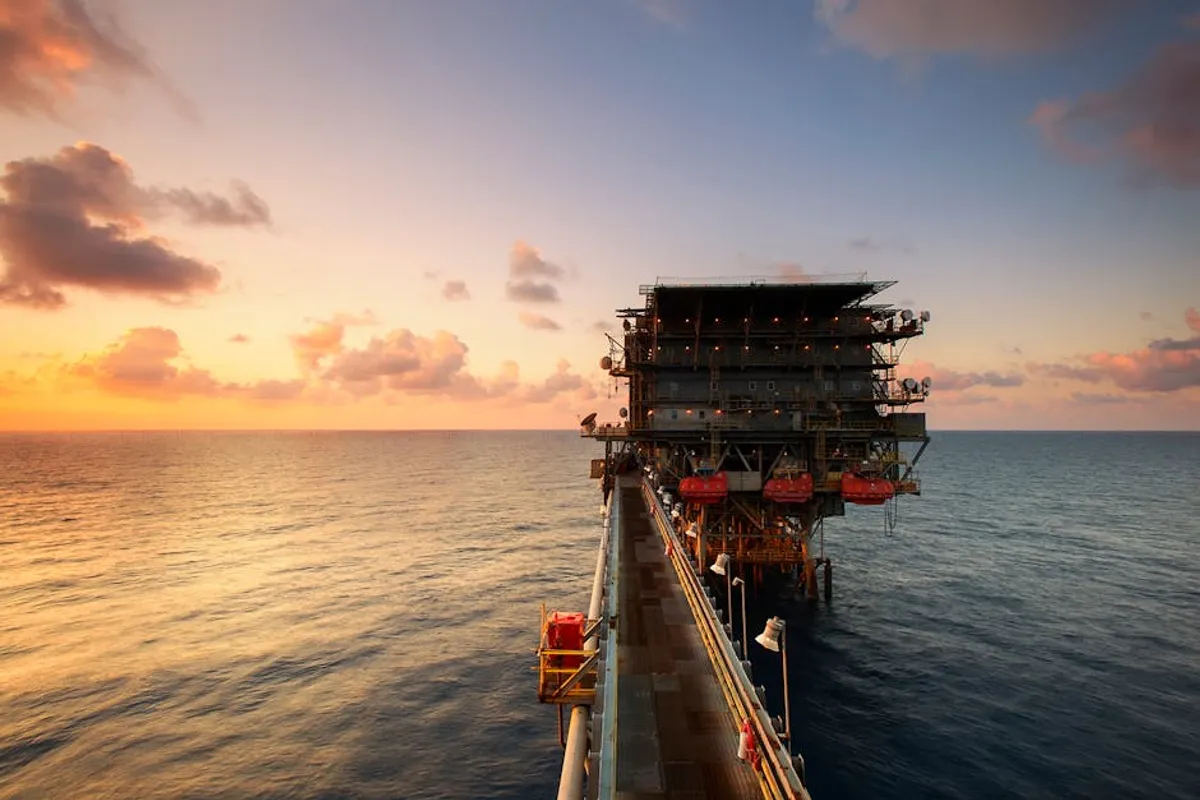
Once a viable reservoir is identified, wells are drilled to access the oil and gas. This can occur onshore or offshore, with offshore operations presenting additional engineering challenges and environmental considerations. Extraction involves sophisticated technology to lift hydrocarbons to the surface, often requiring artificial lift methods as reservoir pressure declines. The crude oil and raw natural gas produced at this stage are typically separated from water, sand, and other impurities at the wellhead before being sent for further processing.
Midstream: Processing and Transportation
The midstream sector acts as the critical link between production and refining, focusing on the initial processing, storage, and movement of hydrocarbons from extraction sites to refineries or distribution hubs. This phase is defined by its vast infrastructure requirements.
Crude Oil and Natural Gas Processing
Raw crude oil and natural gas require initial processing to remove impurities and separate components. Natural gas, for instance, undergoes processing to remove natural gas liquids (NGLs) like ethane, propane, and butane, as well as contaminants such as hydrogen sulfide and carbon dioxide, before being fed into pipelines. Crude oil often undergoes stabilization to reduce its vapor pressure, making it safer for transport.
Transportation Networks
The sheer volume and geographical dispersion of oil and gas production necessitate extensive transportation infrastructure. Pipelines are the most common and cost-effective method for moving large quantities of crude oil and natural gas over land. For international transport, especially across oceans, specialized tanker ships are essential. Rail cars and trucks provide flexibility for shorter distances or areas not served by pipelines, particularly for refined products or NGLs. Each mode presents distinct logistical challenges, regulatory frameworks, and cost structures.
Downstream: Refining, Distribution, and Sales
The downstream segment transforms crude oil into a wide array of marketable products and delivers them to end-users. This is the most consumer-facing part of the supply chain.
Refining Operations
Refineries are complex industrial facilities that convert crude oil into petroleum products such as gasoline, diesel, jet fuel, heating oil, lubricants, and petrochemical feedstocks. This process involves multiple stages, including distillation, cracking, reforming, and treating, each designed to break down, rearrange, and purify hydrocarbon molecules. The configuration and capabilities of a refinery dictate its product yield and market responsiveness.
Storage and Distribution
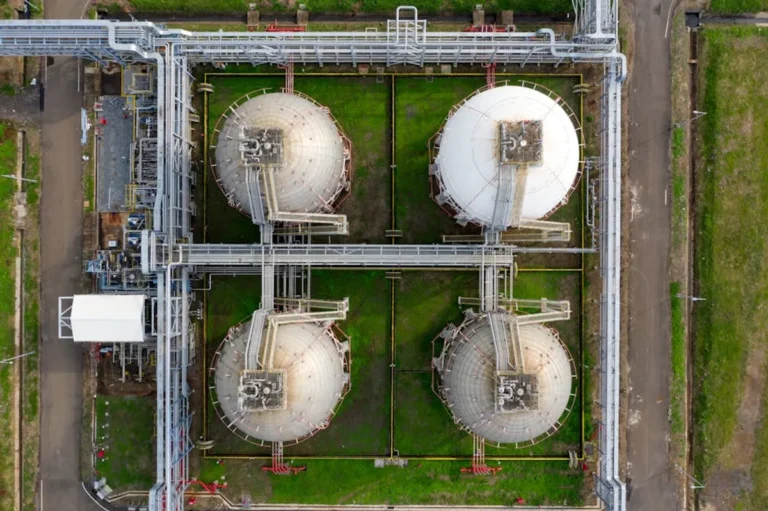
Refined products are stored in large tank farms before being distributed to various markets. Distribution networks are extensive, utilizing pipelines, barges, rail, and tanker trucks to move products to regional terminals, wholesale distributors, and retail outlets. Efficient inventory management and logistics are paramount to meet fluctuating demand and minimize transportation costs.
Marketing and Retail
The final stage involves the sale of petroleum products to commercial and individual consumers. This includes gasoline stations, industrial clients, airlines, and utility companies. Branding, pricing strategies, and customer service become critical differentiators in this highly competitive segment. The marketing and retail arm is responsible for understanding and responding to consumer demand, which directly influences production schedules upstream.
Key Commercial Dynamics and Challenges
The oil and gas supply chain operates under constant pressure from market volatility, geopolitical shifts, and evolving regulatory landscapes. Crude oil prices, influenced by global supply and demand, OPEC decisions, and economic forecasts, ripple through every stage. Geopolitical events, such as conflicts or sanctions, can disrupt supply routes, impact production capacities, and trigger price spikes. Environmental regulations, increasingly stringent globally, compel companies to invest in cleaner technologies and sustainable practices, adding to operational costs. Technological advancements, from enhanced oil recovery techniques to advanced refining processes, offer opportunities for efficiency but also require continuous investment and adaptation.
Pro Tip: For any business engaging with the oil and gas sector, understanding the specific regulatory environment in each operational region is non-negotiable. Compliance failures can result in significant financial penalties, operational shutdowns, and severe reputational damage. This includes environmental standards, safety protocols, and international trade laws.
Operational Efficiencies and Digital Transformation
Optimizing the oil and gas supply chain increasingly relies on digital transformation. Data analytics, artificial intelligence, and the Internet of Things (IoT) are being deployed across all segments to enhance decision-making, improve operational efficiency, and mitigate risks.
- Predictive Maintenance: IoT sensors on pipelines, drilling rigs, and refinery equipment enable real-time monitoring, predicting equipment failures before they occur and reducing costly downtime.
- Supply Chain Optimization: Advanced analytics platforms analyze market demand, inventory levels, and transportation logistics to optimize routes, minimize storage costs, and ensure timely delivery of products.
- Remote Operations: Digital twins and remote operating centers allow for centralized monitoring and control of geographically dispersed assets, improving safety and reducing operational personnel on-site.
- Enhanced Safety: AI-powered video analytics and drone inspections improve safety protocols, detect anomalies, and monitor hazardous environments more effectively.
Navigating the Oil and Gas Supply Chain Landscape
The oil and gas supply chain is a testament to global engineering and logistical prowess, yet it remains inherently vulnerable to external pressures. Its interconnected nature means that disruptions in one segment—be it an exploration failure, a pipeline outage, or a geopolitical conflict—can have cascading effects throughout the entire system. Businesses operating within this ecosystem must cultivate resilience through diversified supply sources, robust risk management frameworks, and a continuous commitment to technological innovation. Strategic foresight and adaptability are not merely advantages but necessities for sustained commercial viability in this dynamic sector.
Frequently Asked Questions
What is the primary difference between upstream and downstream operations?
Upstream operations focus on the exploration and production of crude oil and natural gas, extracting raw hydrocarbons from the earth. Downstream operations, conversely, involve refining crude oil into finished products like gasoline and plastics, and then distributing and selling these products to consumers.
How do geopolitical events impact the oil and gas supply chain?
Geopolitical events, such as conflicts, trade disputes, or sanctions, can significantly disrupt the supply chain by affecting production capacities, blocking key transportation routes (e.g., shipping lanes), influencing oil prices, and altering global demand patterns. This often leads to increased volatility and uncertainty in energy markets.
What role does technology play in modernizing the oil and gas supply chain?
Technology, particularly digital tools like IoT, AI, and big data analytics, plays a crucial role in enhancing efficiency, safety, and sustainability. It enables predictive maintenance, optimizes logistics, facilitates remote operations, and improves decision-making across all segments, from exploration to retail distribution.
Why is the oil and gas supply chain considered so complex?
Its complexity stems from several factors: the global scale of operations, the capital-intensive nature of infrastructure, the inherent risks of exploration and extraction, the intricate refining processes, the extensive transportation networks, and the constant influence of geopolitical factors, market volatility, and environmental regulations.