The global energy landscape is undergoing a significant transformation, driven by the imperative for sustainability, efficiency, and resilience. Central to this shift is the evolution from traditional, centralized power grids to advanced smart grids. This transition is not merely an incremental upgrade; it represents a fundamental rethinking of how energy is generated, distributed, and consumed, with profound implications for utilities, energy consumers, and technology providers. Understanding this paradigm shift is critical for stakeholders looking to navigate new market dynamics, identify emerging commercial opportunities, and adapt to evolving regulatory frameworks. Smart grids offer a pathway to optimize resource allocation, integrate diverse energy sources, and empower consumers with greater control over their energy consumption, thereby reshaping the economics and operational models of the entire energy sector.
Foundational Principles of Smart Grid Technology
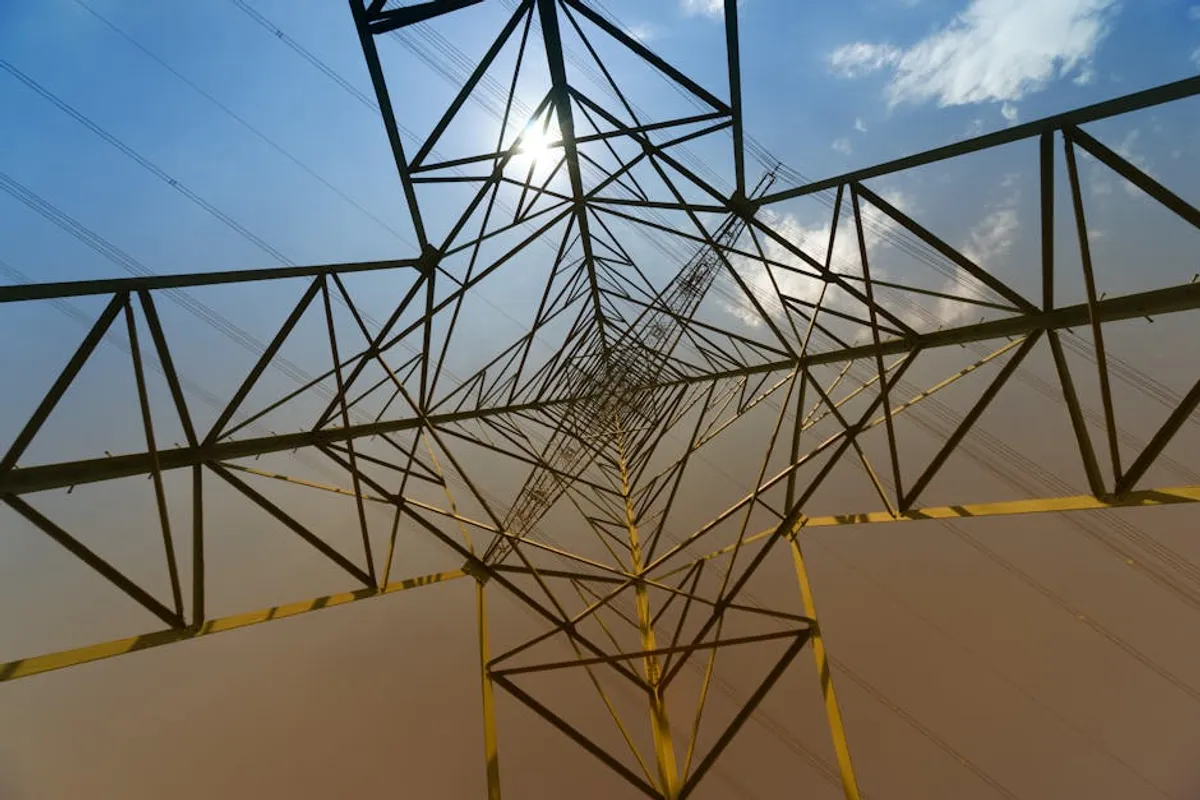
Smart grids are characterized by their ability to integrate advanced digital communication technologies with the existing electrical infrastructure. This integration enables a level of monitoring, control, and automation previously unattainable, moving beyond the one-way flow of electricity inherent in traditional grids.
Bidirectional Communication and Data Exchange
A core differentiator of smart grids is their capacity for two-way communication between utilities and their customers, and among various grid components. Sensors deployed across the network collect real-time data on energy flow, voltage levels, equipment status, and demand patterns. This data is transmitted back to central control systems, allowing for immediate analysis and proactive decision-making. For instance, utilities can detect and isolate faults within milliseconds, rerouting power to minimize outage durations. This constant feedback loop is essential for maintaining grid stability, especially with the introduction of intermittent renewable sources.
Advanced Metering Infrastructure (AMI)
AMI forms the backbone of the smart grid's data collection capabilities at the consumer level. Unlike traditional meters that only record cumulative consumption, smart meters within an AMI system measure electricity usage in granular intervals (e.g., 15-minute increments) and transmit this data wirelessly to the utility. This detailed consumption data enables:
- Time-of-use pricing models, incentivizing consumers to shift demand during peak hours.
- Accurate and timely billing, reducing estimated bills and customer disputes.
- Remote service connections and disconnections, optimizing operational costs.
- Detection of tampering or theft, enhancing revenue protection.
The granular data provided by AMI is also crucial for load forecasting and managing distributed energy resources (DERs) like rooftop solar.
Integration of Renewable Energy Sources
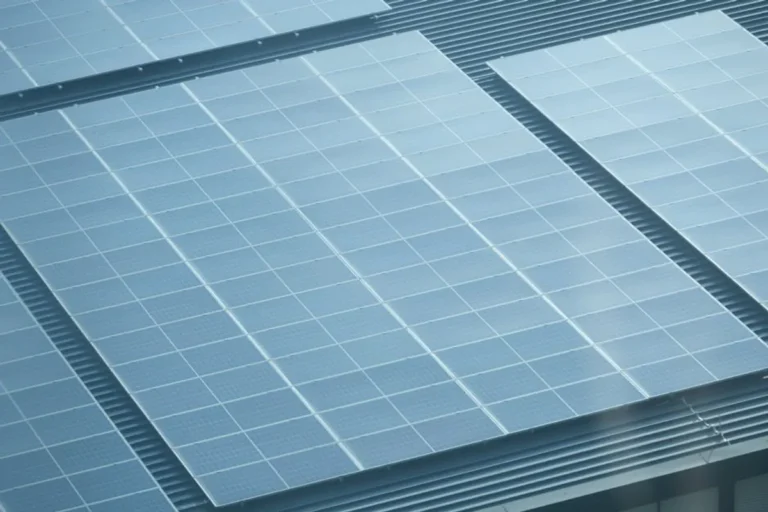
Traditional grids were designed for large, centralized power plants. Smart grids, conversely, are engineered to accommodate a diverse mix of energy sources, including distributed renewables like solar, wind, and geothermal. Their advanced control systems can manage the variability and intermittency of these sources by dynamically balancing supply and demand, storing excess energy, and dispatching power from various generators as needed. This capability is vital for decarbonization efforts, allowing for a higher penetration of clean energy without compromising grid stability.
Operational Shifts in Energy Management
The technological underpinnings of smart grids translate directly into significant operational advantages and new management paradigms for energy providers and consumers alike.
Enhanced Grid Reliability and Resilience
Smart grids improve reliability by employing self-healing capabilities. When a fault occurs, automated systems can quickly identify the affected section, isolate it, and reroute power around the damaged area, often before human operators are even aware of the issue. This reduces the frequency and duration of outages. Furthermore, the distributed nature of smart grids, incorporating microgrids and DERs, enhances resilience against extreme weather events or cyberattacks by allowing localized power generation and independent operation when the main grid is compromised.
Demand-Side Management and Load Balancing
One of the most impactful changes is the shift from a supply-driven to a demand-responsive system. Smart grids facilitate demand-side management (DSM) programs, where utilities can communicate with smart appliances or energy management systems in homes and businesses. This allows for strategic load shedding or shifting during periods of high demand or low supply, preventing grid overloads and reducing the need for expensive peaker plants. Consumers can opt into programs that automatically adjust thermostats or charge electric vehicles during off-peak hours, leading to lower energy bills and a more stable grid.
Optimized Asset Utilization and Maintenance
The continuous flow of data from grid components enables predictive maintenance strategies. Instead of scheduled maintenance or reactive repairs, utilities can monitor the health of transformers, power lines, and other equipment in real-time. This allows for maintenance to be performed precisely when needed, extending asset lifespans, reducing unexpected failures, and optimizing capital expenditures. This data-driven approach minimizes downtime and ensures that infrastructure investments are utilized most effectively.
Commercial Implications for Stakeholders
The operational advancements of smart grids unlock new commercial models and revenue streams, while also empowering consumers.
New Business Models for Utilities
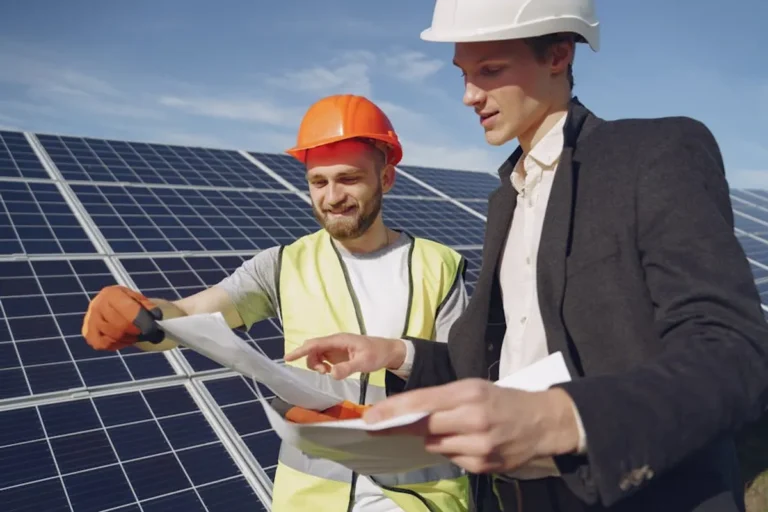
Smart grids enable utilities to move beyond simply selling kilowatt-hours. They can become grid operators that manage a complex ecosystem of DERs, offer energy storage-as-a-service, facilitate peer-to-peer energy trading, or provide advanced energy management solutions to commercial and industrial customers. The ability to integrate and monetize distributed generation, such as community solar projects or residential battery storage, creates diversified revenue opportunities and shifts the utility's role from a sole power provider to an energy orchestrator.
Consumer Empowerment and Cost Savings
With smart meters and associated platforms, consumers gain unprecedented visibility into their energy consumption patterns. This awareness, coupled with time-of-use pricing and demand response programs, allows them to make informed decisions to reduce their energy bills. For instance, by programming smart thermostats to pre-cool homes during cheaper off-peak hours, or by charging electric vehicles overnight, households can significantly lower their energy expenditures. This level of control fosters a more active and engaged energy consumer base.
Data-Driven Decision Making
The sheer volume of data collected by smart grids provides invaluable insights for all stakeholders. Utilities can use this data to refine grid planning, forecast energy demand more accurately, and identify areas for infrastructure upgrades. Energy service companies can develop more targeted energy efficiency programs. Regulatory bodies can use real-time grid performance data to assess grid reliability and inform policy decisions. This data intelligence underpins more efficient capital allocation and operational strategies across the energy value chain.
Pro Tip: While smart grids offer substantial benefits, their increased reliance on interconnected digital systems introduces significant cybersecurity vulnerabilities. Robust, multi-layered cybersecurity protocols, regular penetration testing, and continuous threat intelligence monitoring are non-negotiable for any smart grid implementation to protect critical infrastructure and sensitive consumer data from malicious attacks.
Practical Applications and Future Outlook
The transition to smart grids is a continuous evolution, with ongoing advancements in artificial intelligence, machine learning, and advanced sensor technologies further enhancing their capabilities. Practical applications today range from smart cities integrating energy management with other urban systems to microgrids providing energy independence for remote communities or critical facilities. The future points towards even greater decentralization, with more active participation from prosumers (producers and consumers of energy) and the widespread adoption of vehicle-to-grid (V2G) technologies, where electric vehicles act as mobile energy storage units, feeding power back into the grid during peak demand. This trajectory suggests a more resilient, efficient, and interactive energy ecosystem, where energy is not just delivered but intelligently managed.
Frequently Asked Questions
What is the primary difference between a traditional grid and a smart grid?
The primary difference lies in communication and control. Traditional grids are largely one-way, delivering power from centralized plants to consumers. Smart grids incorporate two-way digital communication, allowing for real-time monitoring, automated control, and integration of distributed energy sources, leading to greater efficiency and resilience.
How do smart grids help integrate renewable energy?
Smart grids manage the variability of renewable sources like solar and wind by using advanced sensors, data analytics, and automated control systems to balance supply and demand in real-time. They can also integrate energy storage solutions and facilitate demand-side management to compensate for fluctuations in renewable generation.
What are the main benefits for consumers from smart grids?
Consumers benefit from increased reliability, fewer and shorter power outages, and greater control over their energy consumption. Through smart meters and associated programs, they can access detailed usage data, participate in time-of-use pricing, and engage in demand response programs to reduce their energy bills and carbon footprint.
Are smart grids more vulnerable to cyberattacks?
Yes, the increased digitalization and interconnectedness of smart grids introduce new cybersecurity risks compared to traditional, less integrated systems. Protecting smart grid infrastructure requires robust cybersecurity measures, including encryption, intrusion detection systems, and continuous monitoring, to prevent unauthorized access and potential disruption of critical services.