The global energy landscape is undergoing a fundamental transformation, driven primarily by the rapid adoption of renewable energy sources. This shift is not merely an environmental imperative; it represents a profound economic reordering that is reshaping traditional energy markets, creating new commercial opportunities, and presenting significant strategic challenges for incumbent players. For businesses, investors, and policymakers, understanding the mechanisms and implications of this transition is critical for navigating a future where energy generation, distribution, and consumption are increasingly decentralized, decarbonized, and digitized. The impact extends beyond utilities, influencing supply chains, industrial operations, real estate development, and consumer behavior.
The Economic Rebalancing of Energy Production
Cost Parity and Grid Integration
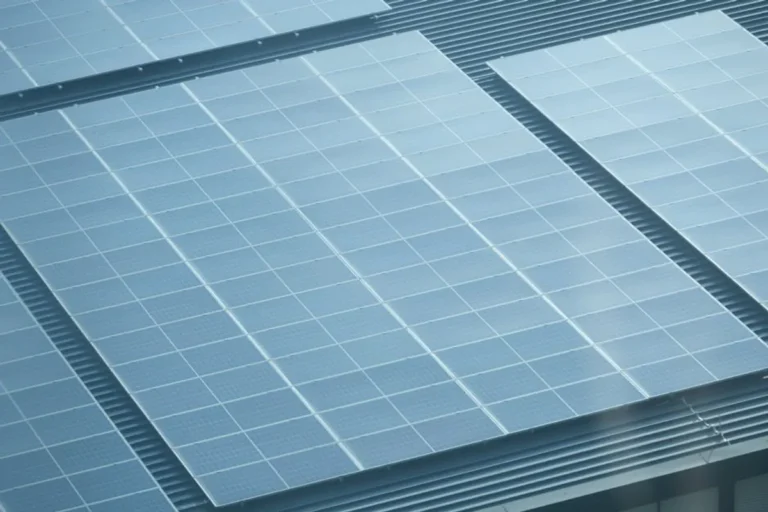
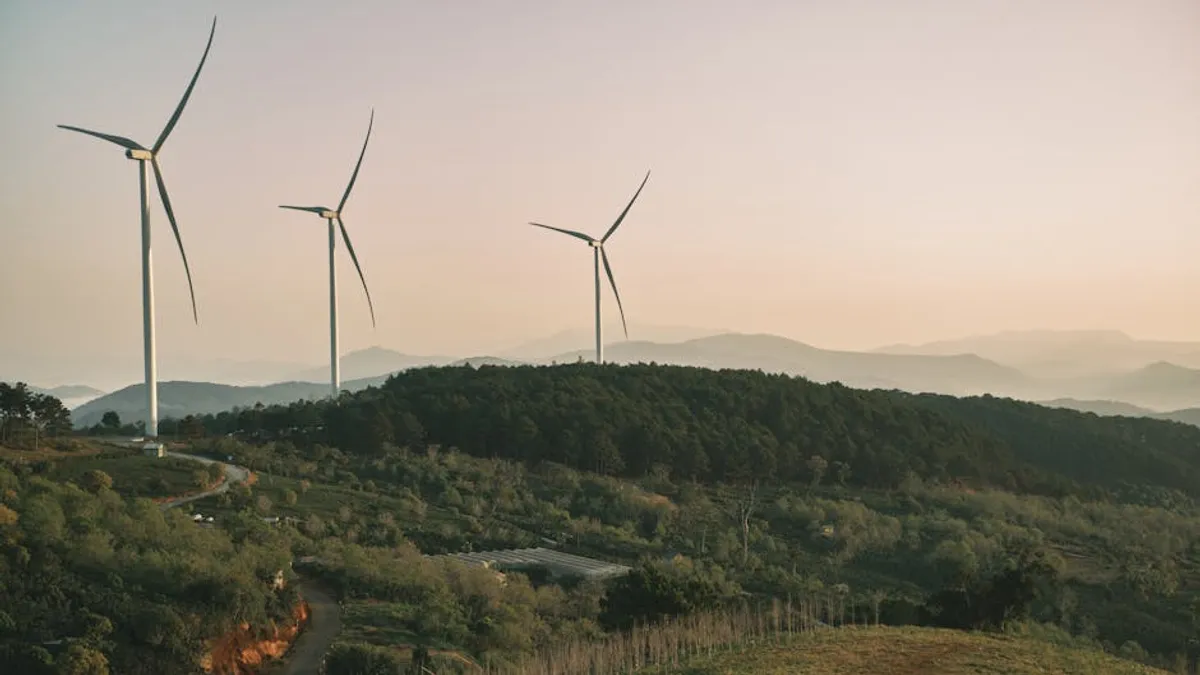
The most significant commercial driver behind renewable energy's market penetration is its rapidly declining Levelized Cost of Energy (LCOE). Solar photovoltaic (PV) and wind power, once prohibitively expensive, now frequently offer the lowest-cost new electricity generation in many regions, often undercutting fossil fuel alternatives even without subsidies. This cost advantage directly impacts wholesale electricity prices, exerting downward pressure and making traditional, higher-marginal-cost power plants less competitive. The intermittency of renewables, however, necessitates advanced grid integration strategies, including energy storage solutions (batteries, pumped hydro), demand-side management, and grid modernization. These integration efforts represent new investment frontiers and operational complexities for grid operators, but also unlock pathways to greater grid resilience and efficiency.
Investment Shifts and Capital Allocation
Global capital flows reflect this economic rebalancing. Investment in new fossil fuel exploration and generation capacity has seen a marked decline, while renewable energy projects attract record levels of funding. This shift creates 'stranded asset' risks for companies heavily invested in coal, oil, and gas infrastructure, as these assets may become economically unviable before the end of their expected operational life. Conversely, companies specializing in renewable project development, manufacturing of components (e.g., solar panels, wind turbines), and associated services (e.g., grid software, energy storage) are experiencing significant growth. Financial institutions are increasingly incorporating environmental, social, and governance (ESG) criteria into their lending and investment decisions, further accelerating the divestment from carbon-intensive assets and reallocation towards sustainable energy solutions.
Operational and Infrastructural Transformation
Decentralization and Distributed Generation
Traditional energy markets were built around large, centralized power plants transmitting electricity over long distances. Renewable energy, particularly solar and smaller-scale wind, facilitates a shift towards distributed generation, where electricity is produced closer to or at the point of consumption. This decentralization reduces transmission losses, enhances energy independence for consumers and businesses, and creates opportunities for microgrids that can operate independently during grid outages. For commercial real estate owners, this means potential for on-site power generation, reduced utility bills, and enhanced property value. For grid operators, it requires rethinking network management, moving from a unidirectional power flow model to a bidirectional one that accommodates diverse generation sources.
Demand-Side Management and Electrification
The increasing share of variable renewable energy on the grid makes demand-side management (DSM) more critical. Technologies like smart meters, IoT-enabled appliances, and AI-driven energy management systems allow consumers and businesses to adjust their energy consumption in response to real-time price signals or grid conditions. This flexibility helps balance supply and demand, reducing the need for expensive peak power generation. Concurrently, the electrification of sectors traditionally reliant on fossil fuels—such as transportation (electric vehicles) and heating (heat pumps)—is dramatically increasing overall electricity demand. This trend creates new revenue streams for electricity providers but also necessitates substantial investment in generation capacity and grid infrastructure upgrades.
Pro Tip: Businesses heavily reliant on stable, predictable energy costs should conduct thorough scenario planning. Evaluate potential impacts of carbon pricing, fluctuating renewable energy availability, and evolving grid fees on operational budgets. Diversifying energy procurement strategies, including direct Power Purchase Agreements (PPAs) with renewable generators, can mitigate future price volatility.
Market Dynamics and Competitive Landscape
New Entrants and Business Models
The energy transition has lowered barriers to entry for new market participants. Tech companies are entering the energy sector with software solutions for grid optimization and consumer engagement. Startups are innovating in areas like virtual power plants (VPPs) that aggregate distributed energy resources (DERs) to provide grid services, and energy-as-a-service (EaaS) models that offer comprehensive energy solutions without upfront capital expenditure for the customer. These new players often focus on customer-centric approaches, offering greater transparency, flexibility, and personalized energy management, directly challenging the traditional utility model centered on commodity provision.
Policy, Regulation, and Carbon Pricing
Government policies and regulations play a pivotal role in shaping the pace and direction of energy market changes. Incentives such as tax credits, feed-in tariffs, and renewable portfolio standards accelerate renewable deployment. Carbon pricing mechanisms, including cap-and-trade systems and carbon taxes, increase the operational costs of fossil fuel generation, making renewables more economically attractive. However, regulatory frameworks often lag technological advancements, creating complexities for new business models and grid modernization efforts. Navigating these evolving policy landscapes is crucial for businesses seeking to invest in or operate within the new energy economy.
- Diversifying Energy Portfolios: Businesses should explore options beyond single-source energy procurement, integrating renewables directly or indirectly.
- Investing in Energy Efficiency: Reducing overall consumption remains a cost-effective strategy, amplified by smart building technologies.
- Adopting New Energy Management Technologies: Utilizing IoT, AI, and smart grid solutions for optimized consumption and demand response.
- Assessing Supply Chain Resilience: Evaluating the energy footprint and reliability of supply chains in a decarbonizing world.
- Engaging with Regulatory Changes: Proactively understanding and influencing energy policies that impact operations and investment.
Navigating the Evolving Energy Sector
The transformation of traditional energy markets by renewable sources is a multifaceted process impacting economics, infrastructure, and competitive dynamics. Businesses that recognize this shift not merely as a compliance burden but as a strategic opportunity are best positioned for long-term success. This involves adapting business models, investing in new technologies, and fostering a deep understanding of the interplay between policy, market forces, and technological innovation. The move towards a cleaner, more distributed, and intelligent energy system is irreversible, demanding foresight and agile responses from all market participants.
Frequently Asked Questions
How does renewable energy affect electricity prices?
Renewable energy, particularly solar and wind, often has very low marginal operating costs once installed. As their share in the energy mix grows, they tend to depress wholesale electricity prices, especially during periods of high renewable generation. However, system costs for grid upgrades and storage to manage intermittency can also influence overall consumer rates.
What are "stranded assets" in the energy sector?
Stranded assets refer to investments in fossil fuel infrastructure (e.g., coal power plants, oil wells) that become economically unviable or obsolete before the end of their planned operational lifetime due to shifts towards renewable energy, stricter environmental regulations, or declining demand. These assets can lead to significant financial losses for their owners.
How can businesses adapt to these changes?
Businesses can adapt by investing in on-site renewable generation, implementing energy efficiency measures, exploring Power Purchase Agreements (PPAs) for green energy, adopting smart energy management systems, and assessing their supply chain's energy footprint. Strategic planning for carbon pricing and regulatory shifts is also crucial.
What role does energy storage play in renewable energy markets?
Energy storage, primarily batteries, is critical for integrating intermittent renewable sources like solar and wind into the grid. It stores excess power during peak generation and releases it during high demand or low generation, ensuring grid stability, reducing curtailment of renewables, and enabling greater grid flexibility.