The global energy landscape is undergoing a rapid transformation, driven by technological advancements, climate imperatives, and shifting economic priorities. For businesses, investors, and policymakers, identifying and understanding these emerging energy technology innovations is not merely an academic exercise; it represents a critical strategic advantage. The ability to anticipate market shifts, optimize operational efficiency, mitigate risks, and unlock new revenue streams hinges on a clear-eyed assessment of which technologies are poised for significant commercial impact. This requires moving beyond speculative hype to evaluate innovations based on their scalability, economic viability, and potential for systemic disruption or integration.
Advanced Energy Storage Solutions
Reliable and efficient energy storage remains a cornerstone for grid stability, renewable energy integration, and electric vehicle adoption. While lithium-ion batteries have dominated the recent landscape, several next-generation solutions are poised to address their limitations in cost, energy density, and supply chain vulnerabilities.
Solid-State Batteries
Solid-state batteries replace the liquid or gel electrolyte in traditional lithium-ion cells with a solid material. This fundamental change promises significant improvements in safety, energy density, and charge cycles. Eliminating flammable liquid electrolytes reduces fire risk, making them particularly attractive for electric vehicles and aerospace applications. Their higher energy density translates to longer range for EVs or more compact stationary storage. While manufacturing challenges, particularly at scale, and interfacial resistance remain hurdles, breakthroughs in materials science are accelerating their commercial readiness.
Commercial Impact: Potential for safer, longer-lasting electric vehicles; more compact and powerful consumer electronics; reduced footprint for grid-scale storage where space is a premium.
Flow Batteries
Flow batteries store energy in external tanks containing liquid electrolyte solutions, which are then pumped through a central stack where electrochemical reactions occur. This design decouples energy capacity from power output, allowing for highly scalable and long-duration storage. Vanadium redox flow batteries are the most mature, but research into zinc-bromine, iron-chromium, and organic flow batteries aims to reduce costs and improve performance. Their primary advantages lie in their long cycle life, non-flammability, and ability to discharge for many hours, making them ideal for grid-scale applications, renewable energy firming, and industrial backup power.
Commercial Impact: Cost-effective, long-duration energy storage for utility-scale renewable integration; industrial load balancing; microgrid resilience; reduced reliance on fossil fuel peaker plants.
Grid-Scale Storage Beyond Lithium-ion
Beyond advanced battery chemistries, other technologies are emerging for large-scale, long-duration energy storage. These include compressed air energy storage (CAES), liquid air energy storage (LAES), and gravity-based systems. CAES and LAES leverage the compression and expansion of air to store and release energy, offering durations from hours to days. Gravity-based systems, such as those employing heavy blocks lifted by electric motors, offer mechanical storage with long lifespans and minimal degradation. These solutions often require specific geographic conditions or significant upfront infrastructure but offer unparalleled scale and longevity compared to electrochemical batteries.
Commercial Impact: Enable 100% renewable grids by bridging seasonal or multi-day supply gaps; provide critical infrastructure resilience; create new opportunities for energy arbitrage and grid services.
Next-Generation Renewable Energy
While solar photovoltaics and wind power are established, ongoing innovations are pushing their efficiency, applicability, and cost-effectiveness further, alongside the resurgence of less conventional renewable sources.
Perovskite Solar Cells
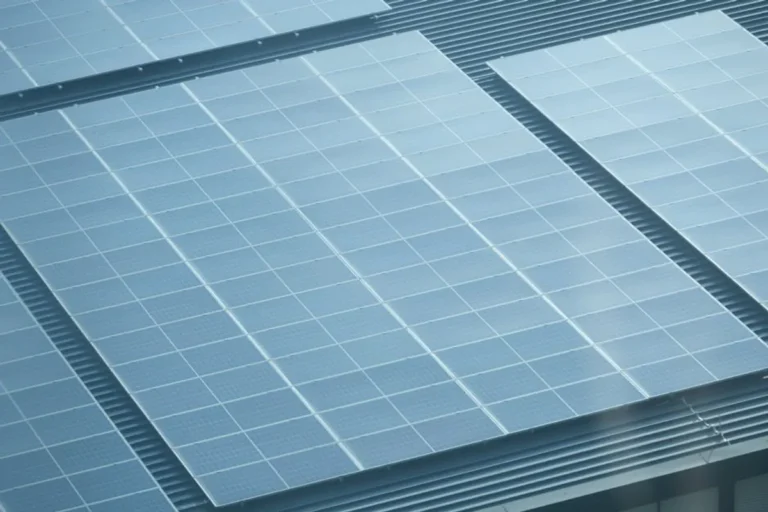
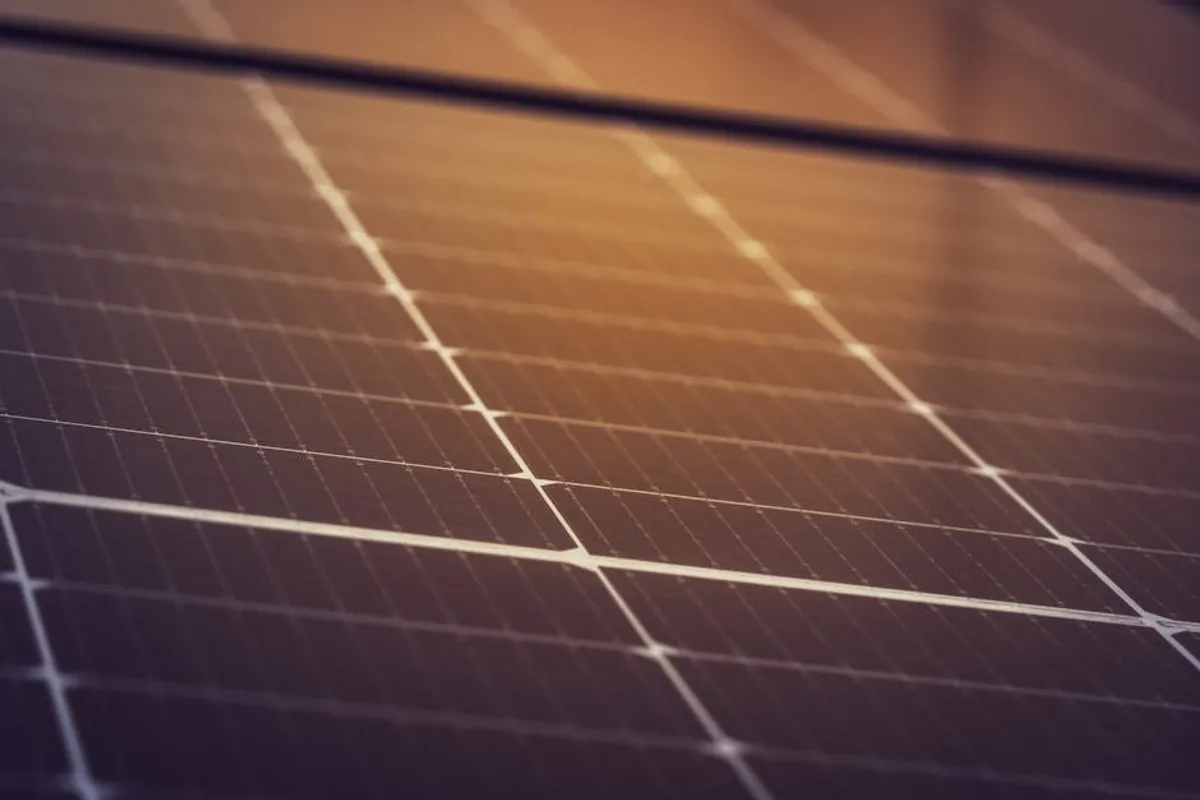
Perovskites are a class of materials with a specific crystal structure that exhibit exceptional light-harvesting properties. Perovskite solar cells (PSCs) offer high power conversion efficiencies, often rivaling silicon, with the added advantages of flexibility, transparency, and lower manufacturing costs. They can be printed onto various surfaces, opening applications for building-integrated photovoltaics (BIPV), flexible electronics, and tandem cells that combine with silicon for even higher efficiencies. Stability and lead toxicity remain areas of active research, but rapid progress suggests their commercial viability within the next decade.
Commercial Impact: Lower-cost solar power; flexible and transparent solar applications for buildings and consumer goods; enhanced efficiency for traditional solar farms; expanded market for solar energy in diverse environments.
Advanced Geothermal Systems
Traditional geothermal power is limited to areas with specific geological conditions (hot springs, volcanic activity). Advanced geothermal systems, such as Enhanced Geothermal Systems (EGS) and Closed-Loop Geothermal, aim to unlock geothermal energy anywhere. EGS involves injecting water into hot, dry rock formations to create artificial reservoirs. Closed-loop systems circulate a working fluid in a sealed loop, transferring heat without direct interaction with the rock, minimizing water use and seismic risk. These innovations promise a constant, dispatchable baseload renewable power source, independent of weather conditions.
Commercial Impact: Baseload renewable power generation in a wider range of geographies; reduced land footprint compared to other renewables; stable energy supply for industrial processes and urban heating/cooling.
Offshore Wind Innovations
Offshore wind power is expanding rapidly, but innovations are addressing deeper waters and higher operational costs. Floating offshore wind platforms, which are not fixed to the seabed, allow turbines to be deployed in depths previously inaccessible, unlocking vast new resource areas. Larger turbine designs (15 MW+), advanced materials, and AI-driven predictive maintenance are also driving down the levelized cost of energy. These developments are crucial for countries with limited shallow coastal areas but significant deep-water wind resources.
Commercial Impact: Access to stronger, more consistent wind resources; significant expansion of global renewable energy capacity; job creation in manufacturing, installation, and maintenance; potential for green hydrogen production at sea.
Pro Tip: When evaluating energy technology innovations for investment or adoption, look beyond peak efficiency claims. Focus on the Levelized Cost of Energy (LCOE), scalability of manufacturing, supply chain resilience, and the regulatory environment. A technically superior solution may struggle if it lacks a clear path to market or faces significant policy headwinds.
Decentralized Energy Systems & Smart Grids
The shift from centralized power generation to a more distributed model is accelerating, driven by renewables and digital technologies. This necessitates smarter, more resilient grid infrastructure.
Virtual Power Plants (VPPs)
Virtual Power Plants aggregate diverse distributed energy resources (DERs) – such as rooftop solar, battery storage, electric vehicles, and controllable loads – into a single, optimized operating entity. Through advanced software and real-time communication, VPPs can respond to grid signals, providing services like peak shaving, frequency regulation, and demand response. They transform individual assets into a collective power source, enhancing grid flexibility and efficiency without building new large-scale power plants.
Commercial Impact: Monetization opportunities for DER owners; enhanced grid stability and resilience; reduced need for costly grid upgrades; facilitates higher penetration of intermittent renewables.
AI-Powered Grid Management
Artificial intelligence and machine learning are becoming indispensable for managing the complexity of modern grids. AI algorithms can forecast renewable energy generation with greater accuracy, predict demand fluctuations, optimize energy routing, and identify potential faults before they occur. This enables more efficient balancing of supply and demand, minimizes curtailment of renewable energy, and enhances the overall reliability and security of the grid. Predictive analytics also supports proactive maintenance, reducing downtime and operational costs.
Commercial Impact: Reduced operational costs for utilities; improved grid reliability and uptime; more efficient integration of distributed and intermittent energy sources; enhanced cybersecurity for critical infrastructure.
Carbon Capture, Utilization, and Storage (CCUS)
CCUS technologies are critical for decarbonizing hard-to-abate sectors like heavy industry and potentially for achieving net-negative emissions. Innovations focus on improving efficiency and reducing costs.
Direct Air Capture (DAC)
Direct Air Capture technologies extract carbon dioxide directly from the ambient air, rather than from a concentrated industrial emission source. While energy-intensive, DAC holds the potential to address legacy emissions and achieve net-negative carbon footprints. Innovations are centered on developing more efficient sorbent materials, optimizing contactor designs, and integrating with renewable energy sources to power the capture process. The captured CO2 can then be stored geologically or utilized in various industrial processes.
Commercial Impact: Path to achieving net-negative emissions; supply of CO2 for industrial applications (e.g., synthetic fuels, building materials, enhanced oil recovery); potential for carbon removal credits and new market creation.
Enhanced Mineralization
Enhanced mineralization (also known as carbon mineralization) involves reacting CO2 with naturally occurring minerals to form stable, solid carbonates. This process can occur naturally over geological timescales, but innovations aim to accelerate it, either ex-situ (e.g., reacting CO2 with industrial wastes like steel slag or mine tailings) or in-situ (injecting CO2 into specific rock formations). This method offers a permanent and safe storage solution for CO2, effectively turning it into rock. Research focuses on optimizing reaction kinetics and identifying suitable mineral feedstocks.
Commercial Impact: Permanent, low-risk CO2 storage solution; potential to valorize industrial waste streams; pathway for decarbonizing cement and concrete production; long-term carbon removal strategy.
Strategic Implications for Business
The rapid pace of energy technology innovation presents both challenges and unparalleled opportunities. Businesses must develop robust strategies to navigate this evolving landscape. This includes:
- Proactive Technology Scouting: Continuously monitor emerging technologies, assessing their maturity, scalability, and potential impact on your operations, supply chain, and market position.
- Investment in R&D and Pilots: Consider strategic investments in internal R&D or partnerships with startups and research institutions to pilot promising technologies relevant to your sector.
- Supply Chain Resilience: Evaluate the implications of new energy technologies on raw material sourcing, manufacturing processes, and logistics. Diversify supply chains where possible.
- Market Adaptation: Prepare for new market entrants, shifting consumer preferences, and evolving regulatory frameworks driven by these innovations. New business models may be required.
- Talent Development: Invest in upskilling your workforce to manage and integrate new energy systems and digital tools, ensuring your organization has the expertise to leverage these advancements.
Staying informed and agile will differentiate market leaders from those left behind in the energy transition.
Frequently Asked Questions
What defines an "energy technology innovation"?
An energy technology innovation refers to a new or significantly improved method, process, or device for generating, storing, transmitting, or consuming energy. These innovations typically offer advancements in efficiency, cost-effectiveness, environmental impact, or system integration compared to existing solutions.
How quickly are these innovations expected to scale commercially?
The commercial scaling of energy innovations varies widely depending on factors like technological maturity, capital requirements, regulatory support, and market demand. Some, like advanced solar cells, may see significant adoption within 5-10 years, while others, such as certain grid-scale storage or carbon capture methods, might require longer timelines (10-20+ years) due to infrastructure needs and higher upfront costs.
What are the primary investment drivers in energy tech?
Key investment drivers include global decarbonization targets, rising energy costs, geopolitical energy security concerns, technological breakthroughs reducing Levelized Cost of Energy (LCOE), and increasing demand for resilient and decentralized energy solutions. Government incentives, private equity, and venture capital play significant roles.
How can businesses integrate these new technologies?
Businesses can integrate new energy technologies through various approaches: direct investment in on-site generation or storage, participating in virtual power plants, upgrading industrial processes for energy efficiency, adopting electric vehicle fleets, or investing in carbon capture solutions. Strategic partnerships with energy service companies or technology providers can facilitate this integration.