The evolving energy landscape presents both challenges and opportunities for businesses. Volatile energy prices, increasing demand for grid reliability, and growing pressure to meet sustainability targets are pushing commercial entities to re-evaluate their energy strategies. Central to this re-evaluation is energy storage, a technology that transforms intermittent power sources into dispatchable assets and offers a buffer against grid disruptions. Understanding the core components of energy storage—from battery chemistries to grid-scale applications—and its diverse business uses is critical for strategic planning and cost optimization.
The Core Components of Energy Storage
Energy storage systems are fundamentally designed to capture energy produced at one time for use at a later time. While various technologies exist, batteries and their integration with the broader electrical grid represent the most commercially viable and impactful solutions for businesses today.
Battery Technologies for Commercial Application
Commercial energy storage predominantly relies on electrochemical batteries, each with distinct characteristics that dictate its suitability for specific business needs. The choice of battery impacts system performance, longevity, and overall cost-effectiveness.
- Lithium-ion (Li-ion): Dominant in the commercial sector due to high energy density, long cycle life, and improving cost efficiency. Li-ion batteries are effective for applications requiring frequent charge/discharge cycles, such as peak shaving, demand charge management, and short-duration backup power. Their rapid response time makes them suitable for grid services like frequency regulation.
- Flow Batteries: These systems store energy in liquid electrolyte solutions contained in external tanks, offering a distinct advantage in scalability of energy capacity independent of power output. Flow batteries typically have longer cycle lives and can maintain full capacity over many years, making them ideal for long-duration storage (4+ hours) and applications where consistent, sustained power delivery is paramount, though their energy density is generally lower than Li-ion.
- Lead-Acid: While an older technology, lead-acid batteries remain a cost-effective option for certain applications, particularly for short-term, infrequent backup power where capital expenditure is a primary constraint. However, their shorter cycle life, lower energy density, and maintenance requirements often make them less suitable for active energy management strategies compared to Li-ion or flow batteries.
Key metrics for evaluating battery technologies include energy capacity (kWh), power output (kW), round-trip efficiency (the percentage of electricity put into the battery that can be retrieved), cycle life (the number of charge/discharge cycles before significant degradation), and degradation rate over time.
Grid-Scale Storage and its Business Impact
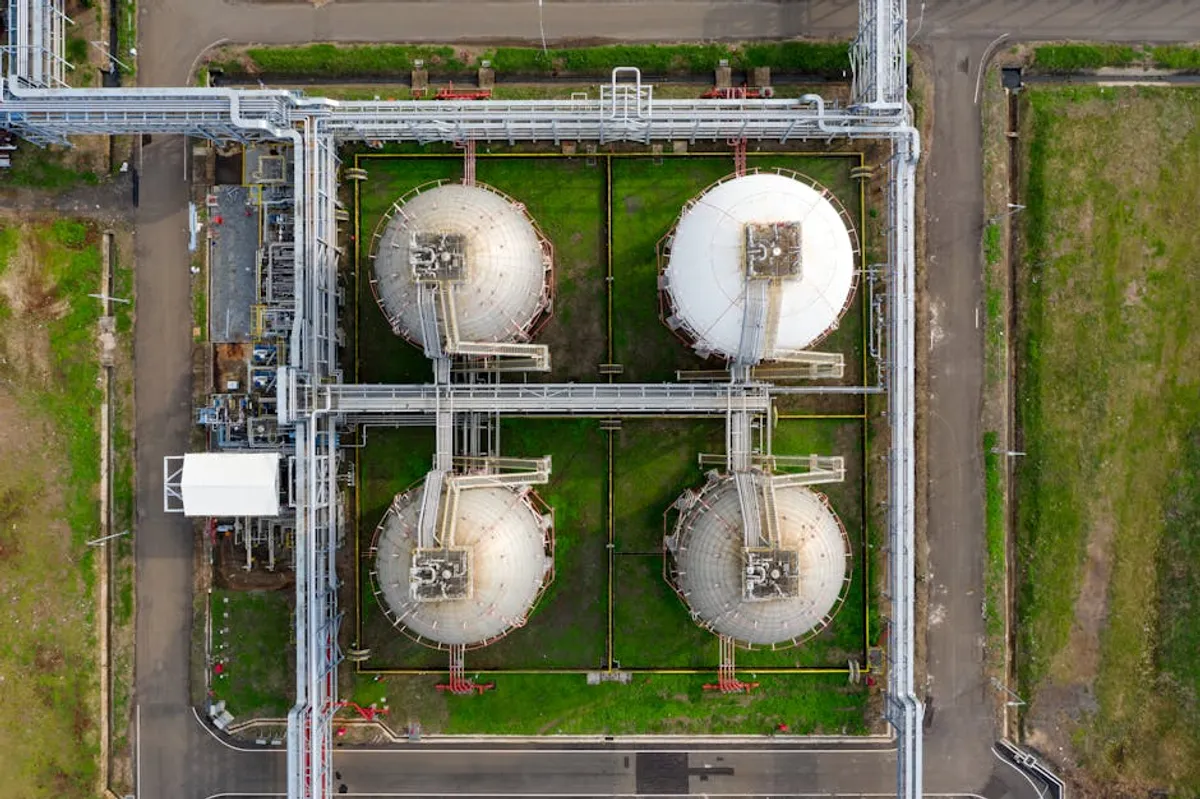
Grid-scale energy storage refers to large-capacity systems deployed at utility substations or power plants to support grid operations. These systems perform several critical functions that indirectly and directly benefit businesses:
- Grid Stabilization: By absorbing surplus energy and releasing it during periods of high demand, grid-scale storage helps balance supply and demand, reducing grid congestion and mitigating voltage fluctuations. This translates to a more reliable power supply for commercial operations.
- Renewable Energy Integration: Large-scale storage facilitates the integration of intermittent renewable sources like solar and wind into the grid. It stores excess renewable generation and dispatches it when sunlight or wind is unavailable, ensuring a consistent power flow. This broader adoption of renewables can influence energy market prices and the availability of green energy tariffs for businesses.
- Ancillary Services: Grid storage can provide critical ancillary services, such as frequency regulation and spinning reserves, which are essential for maintaining grid stability and power quality. Businesses located within grids supported by these services experience fewer power disturbances and a more stable operating environment.
The development of virtual power plants (VPPs), which aggregate distributed energy resources including commercial energy storage, allows businesses to participate in energy markets, potentially generating revenue by offering their stored energy capacity back to the grid during peak times or for grid services.
Commercial Use Cases and Strategic Integration
For businesses, energy storage is not merely a technical component; it is a strategic asset capable of impacting operational costs, resilience, and sustainability credentials.
Optimizing Energy Costs with Storage
One of the most immediate financial benefits of energy storage for businesses stems from its ability to manage electricity costs, particularly in markets with complex tariff structures.
- Peak Demand Reduction: Many commercial electricity bills include a demand charge, based on the highest power consumption (kW) recorded during a billing period. Energy storage systems can discharge stored electricity during these peak demand intervals, reducing the amount of power drawn from the grid and significantly lowering demand charges.
- Time-of-Use (TOU) Arbitrage: In regions with TOU rates, electricity prices vary by time of day. Businesses can charge their storage systems during off-peak hours when electricity is cheaper and then discharge that energy during expensive on-peak periods, effectively buying low and using (or selling) high.
- Demand Response Programs: Utilities and grid operators often offer incentives for businesses to reduce their electricity consumption during periods of high grid stress. Energy storage allows businesses to participate in these programs by discharging stored energy instead of curtailing operations, earning revenue while maintaining productivity.
Enhancing Operational Resilience
Beyond cost savings, energy storage provides a critical layer of operational resilience, safeguarding against power outages and ensuring continuous operations.
- Backup Power: For critical infrastructure, data centers, manufacturing facilities, and other operations where downtime is costly or dangerous, energy storage can provide seamless backup power during grid outages. Unlike traditional generators, batteries offer instant power transfer without a startup delay, protecting sensitive equipment and processes.
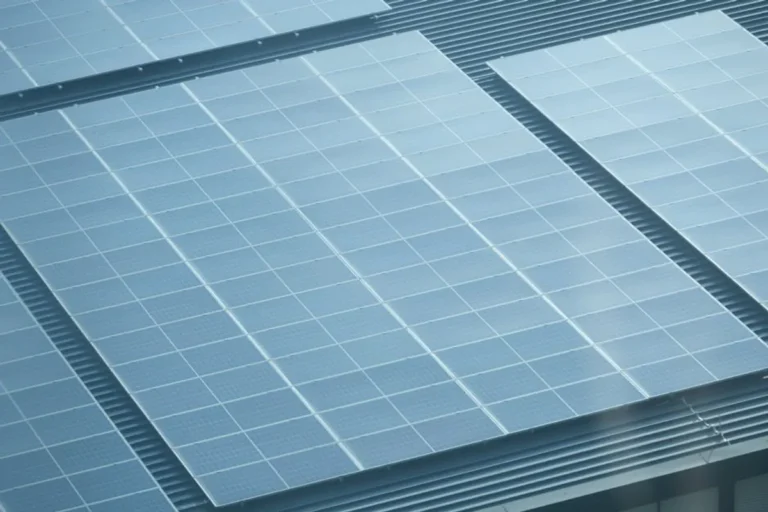
- Microgrids: Businesses can integrate energy storage with onsite generation (e.g., solar PV) to form microgrids. These localized grids can operate independently from the main grid during outages, providing sustained power to essential loads and enhancing energy security.
Integrating Renewables and Sustainability Goals
Energy storage is indispensable for businesses committed to integrating renewable energy sources and achieving corporate sustainability objectives.
- Maximizing Self-Consumption: For businesses with onsite solar or wind generation, storage systems capture excess renewable energy produced during periods of low demand or high generation. This stored energy can then be used later, maximizing the self-consumption of clean power and reducing reliance on grid electricity, especially during peak fossil fuel generation.
- Meeting ESG Targets: Deploying energy storage, particularly when paired with renewables, demonstrates a tangible commitment to environmental, social, and governance (ESG) principles. This can enhance brand reputation, attract environmentally conscious customers, and meet regulatory or investor demands for sustainable operations.
Pro Tip: Navigating the regulatory and incentive landscape for energy storage is as critical as selecting the right technology. Local and federal incentives, such as tax credits, grants, and performance-based payments, can significantly impact the financial viability of an energy storage project. Businesses should consult with energy consultants or system integrators knowledgeable in regional policies to maximize economic returns and ensure compliance.
Strategic Steps for Energy Storage Adoption
Implementing an energy storage solution requires a structured approach to ensure alignment with business objectives and optimal return on investment. Begin by conducting a comprehensive energy audit to understand current consumption patterns, peak demand profiles, and existing energy infrastructure. This data is foundational for sizing an appropriate storage system.
Next, evaluate potential use cases based on your specific operational needs and financial drivers. Prioritize between cost reduction (peak shaving, TOU arbitrage), resilience (backup power, microgrid capability), or sustainability goals (renewable integration, carbon footprint reduction). Often, a single system can serve multiple functions, but understanding primary drivers informs system design.
Finally, engage with qualified energy storage providers and system integrators. Look for partners with a proven track record in commercial deployments, robust warranty offerings, and expertise in navigating local interconnection requirements and incentive programs. A detailed financial analysis, including projected savings, potential revenues, and payback periods, is essential before final investment decisions.
Frequently Asked Questions
What are the primary benefits of energy storage for businesses?
Businesses benefit from reduced electricity costs through peak demand management and time-of-use arbitrage, enhanced operational resilience during grid outages, and improved integration of renewable energy sources to meet sustainability goals.
How do I choose the right battery technology for my business?
The optimal battery technology depends on specific application needs. Lithium-ion is generally suitable for frequent cycling and shorter durations (2-4 hours), while flow batteries excel in long-duration applications (4+ hours) and offer high cycle life. Cost, energy density, and required discharge duration are key factors.
What is the role of energy storage in grid stability?
Grid-scale energy storage absorbs excess power and releases it during high demand, helping to balance the grid, prevent blackouts, and integrate intermittent renewable energy sources, ultimately leading to a more reliable and stable power supply for all consumers, including businesses.
Can energy storage help my business meet sustainability goals?
Yes, by storing excess renewable energy generated onsite and reducing reliance on grid power, energy storage significantly lowers a business's carbon footprint. It also enables greater adoption of clean energy, contributing to corporate environmental, social, and governance (ESG) targets.