Businesses operate in an increasingly volatile energy landscape. Supply disruptions, geopolitical events, and fluctuating prices pose significant threats to operational continuity and profitability. For any enterprise, relying on a single, vulnerable energy source is no longer a sustainable strategy. Understanding and implementing robust energy security measures is not just about mitigating risk; it's about safeguarding your bottom line, maintaining competitive advantage, and ensuring long-term resilience.
Defining Energy Security for Commercial Operations
Energy security, in a business context, extends beyond simply having enough power. It encompasses the reliable, affordable, and sustainable access to the energy required to maintain operations without interruption. This involves several critical dimensions:
- Availability: Ensuring energy supplies are physically present and accessible when needed.
- Reliability: Guaranteeing the consistent and uninterrupted flow of energy, free from unexpected outages or fluctuations.
- Affordability: Managing energy costs to remain predictable and within budget, protecting against sudden price spikes.
- Sustainability: Integrating cleaner energy sources and efficient practices to reduce environmental impact and comply with evolving regulations.
- Resilience: Building the capacity to absorb and recover from energy supply shocks, whether from natural disasters, infrastructure failures, or market volatility.
Unlike basic energy efficiency, which focuses on reducing consumption, energy security prioritizes the continuity and stability of supply. It's a proactive strategy to insulate your business from external energy market forces.
Key Pillars of Business Energy Resilience
Effective energy security for businesses rests on several foundational strategies, each addressing a different facet of risk:
Diversification of Energy Sources
Relying solely on the grid or a single fuel type creates a single point of failure. Diversifying your energy portfolio reduces this risk. This can involve:
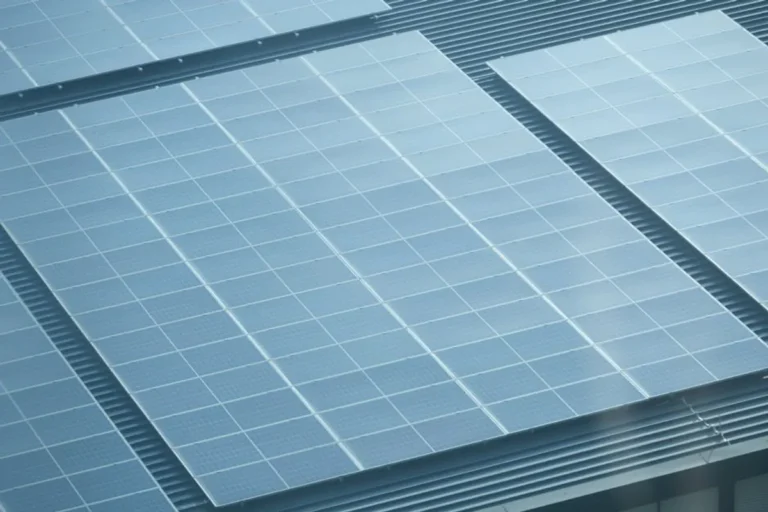
- On-site Renewable Generation: Installing solar photovoltaic (PV) arrays, wind turbines, or small-scale hydroelectric systems can offset grid reliance and provide a degree of energy independence.
- Combined Heat and Power (CHP): Generating both electricity and useful heat from a single fuel source (like natural gas or biomass) improves efficiency and provides a local power supply.
- Backup Generators: While often reliant on fossil fuels, generators provide critical short-term resilience during grid outages, especially when paired with automated transfer switches.
Supply Chain Fortification
For businesses dependent on specific fuels (e.g., natural gas, diesel), the security of the supply chain is paramount. This includes:
- Multiple Suppliers: Establishing relationships with several fuel providers reduces reliance on any single entity.
- On-site Storage: Maintaining sufficient reserves of critical fuels can buffer against short-term delivery disruptions.
- Geographic Diversity: Sourcing from different regions or transportation routes can mitigate localized supply chain issues.
Demand-Side Management and Efficiency
Reducing overall energy consumption and optimizing usage patterns directly enhances energy security. A business that uses less energy is inherently less vulnerable to supply disruptions and price volatility. Strategies include:
- Energy Audits: Identifying areas of waste and inefficiency.
- Smart Building Management Systems: Automating lighting, HVAC, and equipment operation based on occupancy and demand.
- Load Shifting: Moving energy-intensive processes to off-peak hours when demand (and often price) is lower.
Financial Hedging and Risk Mitigation
Energy price volatility can severely impact budgets. Financial strategies help stabilize costs:
- Long-Term Contracts: Securing fixed-price or capped-price agreements for electricity or fuel can provide budget certainty.
- Power Purchase Agreements (PPAs): For renewable energy, PPAs can lock in electricity rates for many years, often below grid prices.
- Futures Contracts: For businesses with significant fuel needs, purchasing futures contracts can hedge against future price increases.
Pro Tip: Do not mistake energy efficiency for energy security. While efficiency reduces consumption, it does not inherently protect against supply interruptions or price spikes. A truly secure energy strategy integrates both, leveraging efficiency to reduce overall demand while diversifying and strengthening supply to ensure continuity.
Developing Your Business Energy Security Plan
A comprehensive energy security plan requires a structured approach:
- Assess Current Vulnerabilities: Conduct a thorough audit of your energy consumption, sources, and potential points of failure. Quantify the financial and operational impact of various energy disruption scenarios.
- Identify Strategic Objectives: Determine what level of resilience is critical for your operations. Is it 24/7 uptime, protection against 2-day outages, or simply price stability?
- Evaluate Solutions: Research and model the costs and benefits of different energy security measures, considering payback periods and long-term operational savings.
- Implement and Monitor: Roll out selected solutions, establish key performance indicators (KPIs) for energy use and security, and continuously monitor performance. Regularly review and update the plan as technology evolves and market conditions change.
Ensuring Operational Continuity
Energy security is an ongoing commitment, not a one-time project. It requires continuous evaluation of risks, adaptation to new technologies, and proactive investment. By diversifying energy sources, fortifying supply chains, optimizing demand, and implementing financial hedges, businesses can build resilient energy systems that protect operations, stabilize costs, and contribute to long-term sustainability. This strategic approach transforms energy from a volatile liability into a reliable asset, ensuring your business remains competitive and operational through any challenge.
Frequently Asked Questions About Business Energy Security
What is the primary difference between energy efficiency and energy security for businesses?
Energy efficiency focuses on reducing the total amount of energy consumed to perform a task, aiming to lower costs and environmental impact. Energy security, conversely, is about ensuring reliable, uninterrupted, and affordable access to the necessary energy supply, protecting against disruptions and price volatility. While related, they address distinct aspects of energy management.
How can small and medium-sized businesses (SMBs) improve their energy security without massive investments?
SMBs can start with cost-effective measures like comprehensive energy audits to identify waste, implementing smart thermostats and LED lighting, and negotiating fixed-price electricity contracts. Exploring community solar programs or shared microgrids can also offer benefits without significant individual investment. Even a small backup generator for critical systems provides a basic level of resilience.
What role do renewable energy sources play in enhancing business energy security?
Renewable energy sources, particularly on-site generation like solar or wind, significantly enhance energy security by providing a degree of independence from the grid and traditional fuel supplies. They diversify your energy mix, reduce exposure to fossil fuel price volatility, and can often be integrated with battery storage to provide continuous power during outages.
Is energy security only concerned with preventing power blackouts?
No, energy security is a broader concept. While preventing blackouts is a critical component (supply reliability), it also encompasses protection against significant energy price increases (affordability), ensuring access to necessary fuels (availability), and building overall resilience to various disruptions, including natural disasters, cyberattacks, and geopolitical events affecting energy markets.