The global energy landscape is undergoing a fundamental transformation, driven by climate imperatives, technological advancements, and evolving geopolitical dynamics. For investors, policymakers, and operational stakeholders, understanding the trajectory of energy infrastructure development is not merely an academic exercise; it dictates long-term capital allocation, regulatory frameworks, and operational resilience. The infrastructure supporting energy production, transmission, and consumption represents trillions in global investment and decades-long asset lifecycles. Identifying emergent trends early provides a critical advantage for strategic positioning and risk mitigation in a sector characterized by high capital expenditure and slow adaptation cycles.
Decentralization and Distributed Energy Resources (DERs)
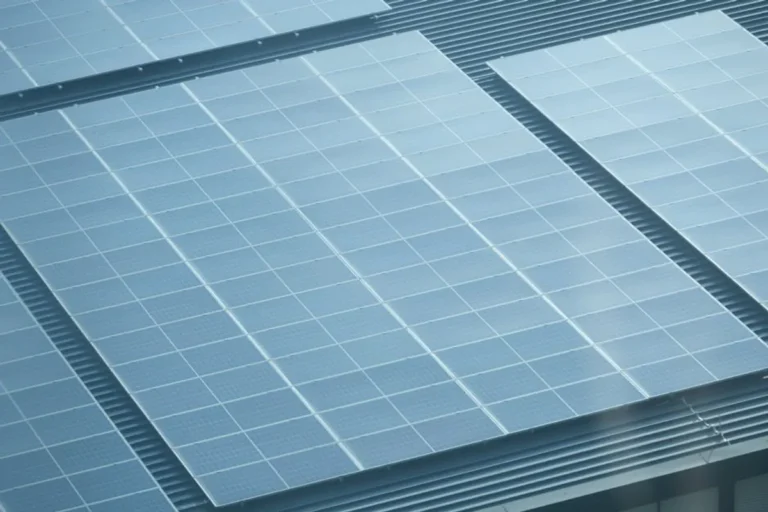
The traditional centralized power generation model is shifting towards a more distributed architecture. Distributed Energy Resources (DERs) — including rooftop solar, localized battery storage, and microgrids — are increasingly integrated at the grid edge, closer to the point of consumption. This trend reduces reliance on long-distance transmission, enhances local energy independence, and offers new avenues for grid stability.
Microgrid Expansion and Resilience
Microgrids, self-contained energy systems capable of operating independently or connected to the main grid, are gaining traction. They provide localized power generation and storage, offering enhanced resilience against outages caused by extreme weather events or cyberattacks. Commercial and industrial campuses, military bases, and critical infrastructure facilities are key adopters, investing in microgrids to ensure continuous operations. This creates opportunities for specialized engineering firms, energy management software providers, and equipment manufacturers.
Proliferation of Localized Storage
Battery energy storage systems (BESS) are becoming more cost-effective and prevalent at the residential, commercial, and utility scales. These systems store excess renewable energy for later use, provide grid services like frequency regulation, and offer backup power. The commercial viability of localized storage is driving demand for advanced battery technologies, power electronics, and sophisticated energy management platforms that optimize charge and discharge cycles based on market prices and grid needs.
Grid Modernization and Digitalization
Aging grid infrastructure in many developed nations requires significant upgrades, but modernization efforts extend beyond simple replacement. The integration of digital technologies is transforming grids into "smart grids," capable of two-way communication, real-time data analysis, and automated responses to demand fluctuations and supply interruptions.
Advanced Sensor Networks and Data Analytics
Deployment of advanced sensors, smart meters, and IoT devices across transmission and distribution networks provides unprecedented visibility into grid performance. This data forms the basis for predictive maintenance, optimized asset utilization, and granular demand-side management. Companies specializing in industrial IoT, data analytics platforms, and cybersecurity for operational technology (OT) environments are positioned to capitalize on this data-driven evolution.
AI-Driven Grid Management
Artificial intelligence and machine learning algorithms are being applied to forecast energy demand, predict equipment failures, and optimize renewable energy integration. AI-powered systems can dynamically re-route power, manage voltage fluctuations, and even coordinate DERs to provide ancillary services, leading to greater efficiency, reduced operational costs, and improved reliability. This trend necessitates significant investment in specialized software development and data science capabilities within the energy sector.
Renewable Energy Integration at Scale
The accelerating transition to renewable energy sources, particularly wind and solar, poses significant challenges for grid stability due to their intermittent nature. Infrastructure development is focusing on solutions that enable high penetration of renewables without compromising reliability.
Offshore Wind and Utility-Scale Solar Growth
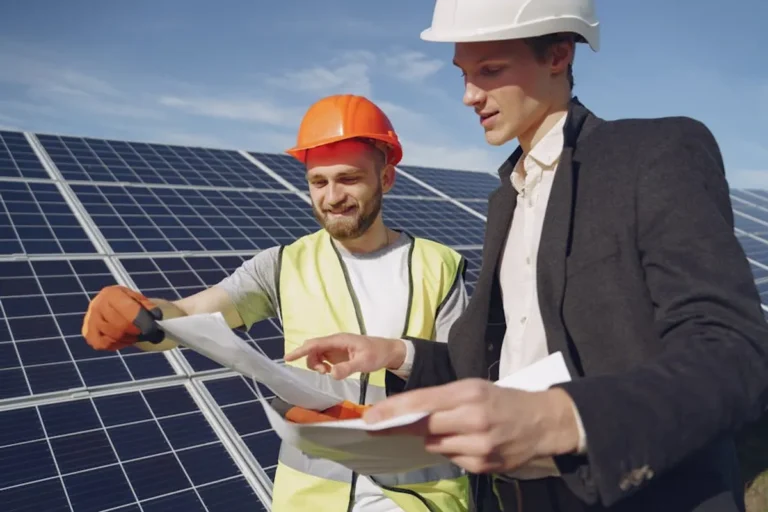
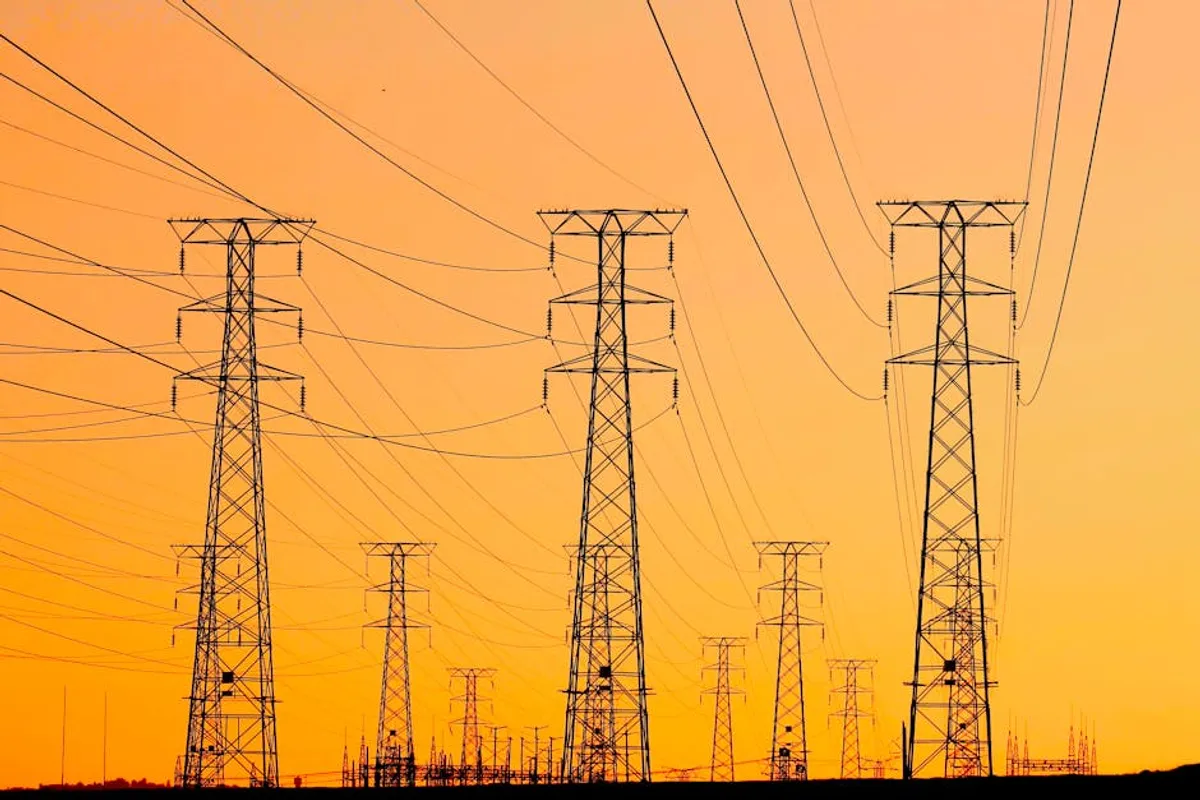
Large-scale renewable projects, especially offshore wind farms and vast utility-scale solar installations, require substantial grid interconnection upgrades. This includes new high-voltage transmission lines, often designed for direct current (HVDC) to minimize losses over long distances, and advanced substations. Investment in specialized marine construction, high-voltage equipment manufacturing, and grid planning software is expanding rapidly to support these massive projects.
Long-Duration Energy Storage Solutions
While lithium-ion batteries address short-duration storage needs, the intermittency of renewables at scale demands long-duration storage (LDS) solutions, capable of storing energy for hours or even days. Technologies like pumped hydro, compressed air energy storage (CAES), flow batteries, and green hydrogen production and storage are attracting significant research, development, and investment. These solutions are crucial for balancing seasonal variations in renewable output and ensuring grid stability during prolonged periods of low generation.
Electrification of Transport and Industry
Decarbonization efforts extend beyond the power sector, driving the electrification of transportation and industrial processes. This shift places increased demand on the electricity grid and necessitates new infrastructure to support these evolving energy consumption patterns.
EV Charging Infrastructure Demands
The rapid adoption of electric vehicles (EVs) requires a vast network of charging infrastructure, ranging from residential chargers to public fast-charging stations and fleet depots. This includes upgrades to local distribution grids, smart charging management systems to prevent grid overload, and integration with renewable energy sources. Companies involved in EV charging hardware, software platforms, and installation services are experiencing significant growth.
Industrial Process Electrification
Heavy industries, historically reliant on fossil fuels for heat and power, are exploring electrification as a decarbonization pathway. This involves replacing fossil fuel-fired boilers and furnaces with electric alternatives, often powered by renewable energy. Such large-scale industrial electrification requires significant upgrades to local grid connections and specialized electrical infrastructure to handle the increased load, presenting opportunities for industrial electrical engineering and equipment suppliers.
Pro Tip: Navigating energy infrastructure trends requires a keen understanding of regulatory landscapes and long-term policy commitments. Investment cycles in this sector span decades, making stable policy frameworks for carbon pricing, renewable energy mandates, and grid modernization incentives critical for de-risking capital deployment. Businesses should prioritize engagement with regulatory bodies and track policy shifts closely to inform strategic planning and project viability assessments.
Cybersecurity and Physical Security Enhancements
As energy infrastructure becomes more digitized and interconnected, it also becomes more vulnerable to cyberattacks. Protecting critical energy assets from both digital and physical threats is a paramount concern, driving significant investment in security measures.
Enhanced Digital Threat Mitigation
The convergence of IT (Information Technology) and OT (Operational Technology) in smart grids expands the attack surface for cyber threats. Utilities and infrastructure operators are investing in advanced cybersecurity solutions, including intrusion detection systems, threat intelligence platforms, and secure remote access protocols, to protect industrial control systems (ICS) and SCADA networks. This creates a growing market for specialized cybersecurity firms with expertise in critical infrastructure protection.
Physical Hardening of Assets
Beyond cyber threats, physical security remains a critical concern, particularly for substations, power plants, and transmission lines. Investments include advanced surveillance systems, perimeter defenses, and physical access controls to protect against sabotage, vandalism, and extreme weather events. The increasing frequency of climate-related disruptions also drives infrastructure hardening efforts, such as undergrounding power lines and strengthening transmission towers, to improve resilience.
Capitalizing on Infrastructure Shifts
The ongoing transformation of energy infrastructure presents both challenges and substantial commercial opportunities. For businesses, strategic alignment with these trends involves evaluating investment in new technologies, adapting business models to distributed energy paradigms, and strengthening cybersecurity postures. Understanding these shifts is crucial for identifying emerging markets, securing long-term contracts, and navigating the complex regulatory environment. Proactive engagement with these trends enables companies to position themselves as essential partners in building the next generation of resilient, sustainable energy systems.
Frequently Asked Questions
What is driving the current energy infrastructure trends?
Key drivers include global climate change mitigation efforts, technological advancements in renewables and storage, increasing energy demand, and the need for greater grid resilience against extreme weather and cyber threats.
How do these trends impact traditional energy companies?
Traditional energy companies must adapt by diversifying their portfolios into renewables, investing in grid modernization, and exploring new business models centered around distributed energy resources and energy services rather than just centralized generation.
What are the primary investment areas within energy infrastructure?
Significant investment is flowing into renewable energy generation (especially offshore wind and utility-scale solar), energy storage solutions (both short and long-duration), grid modernization technologies (smart grids, AI/ML), and EV charging infrastructure.
What role does policy play in these infrastructure developments?
Government policies and regulations, such as carbon pricing, renewable energy mandates, tax incentives, and grid modernization initiatives, play a crucial role in shaping investment decisions and accelerating the adoption of new energy infrastructure technologies.