
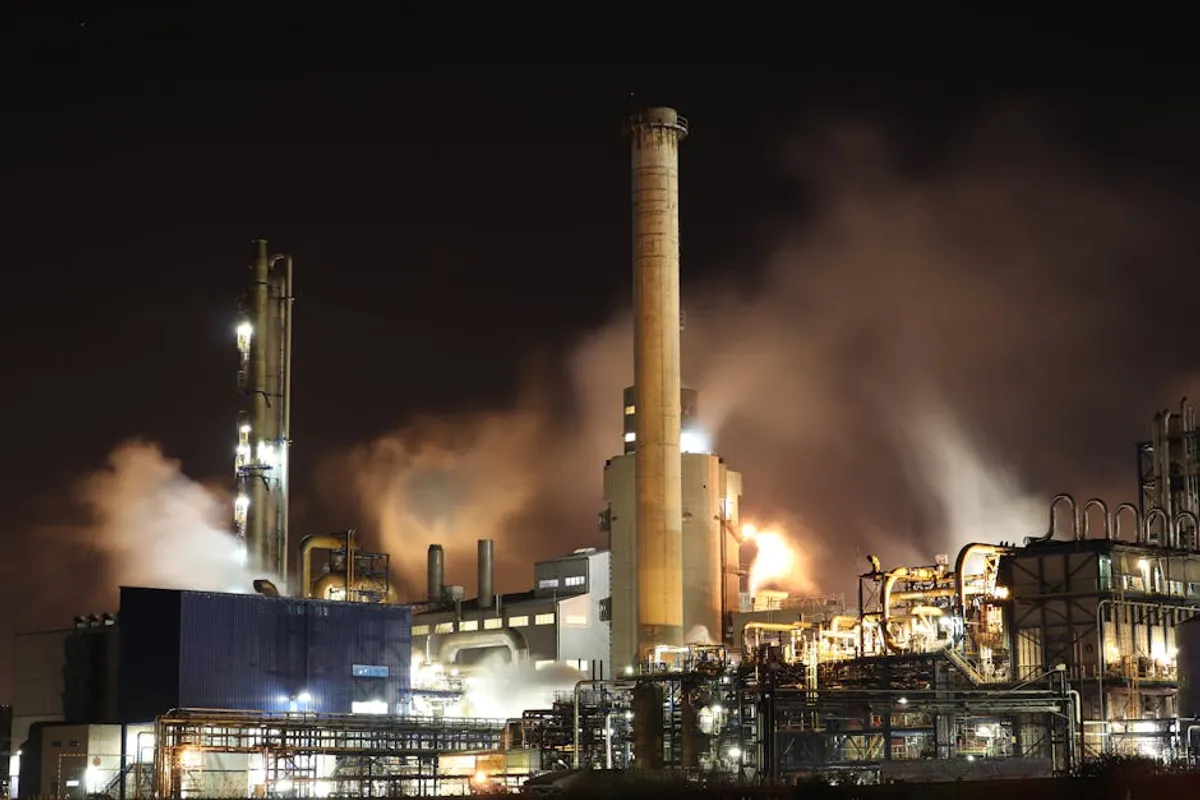
The energy industry presents a complex landscape for new investors and operators, characterized by significant capital requirements, long project timelines, and a dynamic regulatory environment. Success hinges on a foundational understanding of its core components, market drivers, and operational intricacies. Entry requires a clear grasp of where value is created, the specific risks involved, and the technological shifts reshaping global energy supply and demand.
Understanding the Energy Value Chain
The energy industry is typically segmented into three primary stages, each with distinct operational and investment profiles:
- Upstream (Exploration & Production): This segment focuses on locating and extracting raw energy resources. For fossil fuels, this involves geological surveys, drilling, and bringing oil and natural gas out of the ground. In renewables, it includes site assessment and development for wind farms, solar arrays, or geothermal plants. Investments here are high-risk, high-reward, tied directly to resource discovery and commodity prices.
- Midstream (Processing & Transportation): This stage involves the infrastructure required to move and process raw energy. Examples include pipelines for oil and gas, liquefied natural gas (LNG) terminals, electricity transmission grids, and crude oil storage facilities. Midstream assets often generate stable, fee-based revenues, making them attractive for long-term, infrastructure-focused investors.
- Downstream (Refining & Distribution): The final stage transforms raw energy into usable products and delivers them to consumers. This includes oil refineries converting crude into gasoline, diesel, and jet fuel, as well as power distribution networks, natural gas utilities, and retail gasoline stations. Downstream operations are typically more sensitive to consumer demand, refining margins, and local market competition.
Key Energy Sources and Their Market Dynamics
Understanding the fundamental characteristics of different energy sources is crucial for strategic positioning.
Fossil Fuels
Oil, natural gas, and coal remain dominant global energy sources. Oil markets are highly sensitive to geopolitical events, OPEC+ decisions, and global economic growth, impacting prices and supply. Natural gas is increasingly viewed as a transition fuel, with growing demand for power generation and industrial use, particularly with the expansion of LNG export capabilities. Coal, while declining in many developed nations due to environmental concerns, still plays a significant role in industrial processes and power generation in emerging economies. Investment in fossil fuels requires careful consideration of carbon pricing, emissions regulations, and long-term demand projections.
Renewable Energy
Solar (photovoltaic and concentrated solar power), wind (onshore and offshore), hydropower, and geothermal energy are characterized by zero fuel costs and decreasing capital expenditures. Growth is driven by government incentives, corporate sustainability goals, and technological advancements. Challenges include intermittency (for solar and wind), grid integration, and the need for significant energy storage solutions. Investment here often benefits from long-term power purchase agreements (PPAs) and environmental credits, but requires expertise in project development and grid interconnection.
Nuclear Energy
Nuclear power provides baseload electricity with minimal greenhouse gas emissions. It is characterized by high upfront capital costs, long construction times, and stringent safety and waste management regulations. While new reactor designs are emerging, investment in nuclear often involves significant government backing and long-term policy certainty due to the scale and regulatory complexity of projects.
Market Drivers and Regulatory Landscape
External factors exert substantial influence on the energy sector.
Supply and Demand Fundamentals
Global economic growth directly correlates with energy demand. Industrial output, transportation needs, and population expansion are key drivers. Supply is influenced by resource availability, production technologies, and geopolitical stability. Imbalances between supply and demand lead to price volatility, which directly impacts profitability across the value chain.
Geopolitical Influences
Energy is intrinsically linked to geopolitics. Conflicts in producing regions, international sanctions, and trade disputes can disrupt supply chains and cause significant price swings. Strategic energy reserves, alliances among producing nations, and major infrastructure projects (e.g., cross-border pipelines) are all subject to geopolitical considerations.
Environmental Regulations and Policy
Government policies and regulations profoundly shape the energy industry. Carbon taxes, emissions standards, renewable energy mandates, and subsidies for specific technologies directly influence investment decisions and operational costs. Understanding the evolving regulatory environment, including international climate agreements, is critical for long-term planning.
Pro Tip for New Entrants: The energy industry is highly capital-intensive with long project lifecycles. Regulatory and policy changes, particularly those related to environmental standards and climate targets, can fundamentally alter project economics and risk profiles. Thorough due diligence must include a robust assessment of current and prospective regulatory frameworks, as these can introduce significant unforeseen costs or opportunities over decades.
Investment Considerations for New Entrants
Entering the energy sector requires a disciplined approach to capital deployment.
Capital Intensity: Energy projects, from oil fields to solar farms, demand substantial upfront capital. Investors must account for long lead times before projects become operational and generate returns. This necessitates robust financial modeling and access to significant funding sources.
Risk Factors: Price volatility for commodities, technological obsolescence (e.g., older power plant designs), political instability in host countries, and environmental liabilities are prominent risks. Diversification across energy types or value chain segments can mitigate some of these exposures.
Due Diligence Essentials:
- Technical Assessments: Verifying resource estimates, operational efficiencies, and infrastructure integrity.
- Market Analysis: Evaluating demand forecasts, competitive landscapes, and pricing trends.
- Regulatory Compliance: Ensuring adherence to environmental, health, safety, and permitting requirements.
- Financial Modeling: Stress-testing investment returns against various price, operational, and regulatory scenarios.
Operational Fundamentals
Effective operations are paramount for sustained profitability and safety.
Infrastructure Requirements: Energy operations rely on vast, interconnected infrastructure. This includes pipelines, power grids, storage tanks, and processing plants. Maintaining and upgrading this infrastructure is a continuous, capital-intensive process essential for reliability and efficiency.
Technology Adoption: The energy sector is increasingly driven by technological innovation. Advanced drilling techniques, smart grid technologies, artificial intelligence for predictive maintenance, and energy storage solutions are transforming operations, enhancing efficiency, and improving safety. Operators must continuously evaluate and integrate relevant technologies.
Safety and Environmental Compliance: Operating in the energy sector involves inherent risks. Strict adherence to environmental, health, and safety (EHS) regulations is not only legally mandated but critical for reputation and operational continuity. Robust EHS management systems and continuous training are non-negotiable.
Navigating the Energy Landscape
New investors and operators entering the energy industry must cultivate a deep understanding of its foundational elements and be prepared for continuous adaptation. The sector is in constant flux, influenced by technological breakthroughs, evolving geopolitical dynamics, and urgent environmental imperatives. Prioritizing comprehensive due diligence, understanding specific asset classes, and building an adaptable operational strategy are critical for long-term success in this vital global industry.
Frequently Asked Questions
What are the primary sectors within the energy industry?
The primary sectors are upstream (exploration and production), midstream (processing and transportation), and downstream (refining, distribution, and retail), each with distinct operational and investment characteristics.
How do geopolitical events impact energy markets?
Geopolitical events, such as conflicts, sanctions, or trade disputes, can significantly disrupt energy supply chains, influence commodity prices, and affect investment stability in various regions.
What are the main risks for new energy investors?
Key risks include commodity price volatility, high capital intensity, technological obsolescence, political instability, and evolving environmental regulations that can impact project economics over the long term.
What role does technology play in modern energy operations?
Technology is crucial for enhancing efficiency, improving safety, and enabling new energy solutions, including advanced drilling, smart grid management, renewable energy integration, and sophisticated data analytics for operational optimization.