Industrial companies face increasing pressure to reduce carbon emissions, driven by evolving regulatory frameworks, investor demands, and consumer expectations for environmental stewardship. This isn't merely a compliance exercise; it's a strategic imperative impacting operational costs, market access, and long-term competitiveness. Effective carbon reduction requires a multi-faceted approach, integrating technological upgrades, operational shifts, and supply chain engagement to achieve measurable, sustainable outcomes.
Foundational Pillars for Decarbonization
Successful carbon reduction strategies in industrial settings are built upon several interdependent pillars. Each addresses distinct emission sources and offers unique pathways for mitigation, necessitating a tailored approach based on an organization's specific operations, energy profile, and industry sector.
Optimizing Energy Consumption
Energy efficiency represents the most immediate and often cost-effective pathway to carbon reduction. Industrial processes are typically energy-intensive, making even marginal improvements significant. This pillar focuses on reducing the absolute amount of energy required to produce goods or services.
- Equipment Upgrades: Replacing older, inefficient machinery (e.g., motors, pumps, compressors, boilers) with modern, energy-efficient alternatives can yield substantial savings. For instance, upgrading to variable frequency drives (VFDs) for motor control can reduce electricity consumption by 20-50% in many applications.
- Process Heat Recovery: Capturing and reusing waste heat from industrial processes, such as furnaces, kilns, or exhaust streams, can significantly lower primary energy demand. Technologies like heat exchangers and recuperators are crucial here.
- Building Envelope Improvements: For facilities with significant heating or cooling loads, improving insulation, sealing leaks, and optimizing HVAC systems reduces energy loss.
- Energy Management Systems: Implementing advanced energy monitoring and control systems allows for real-time data analysis, identification of inefficiencies, and automated optimization of energy use across the entire facility.
Integrating Renewable Power Sources
Transitioning from fossil fuels to renewable energy sources for electricity and heat is a critical step in decarbonization, particularly for Scope 2 emissions (indirect emissions from purchased electricity, heat, or steam).
Options include:
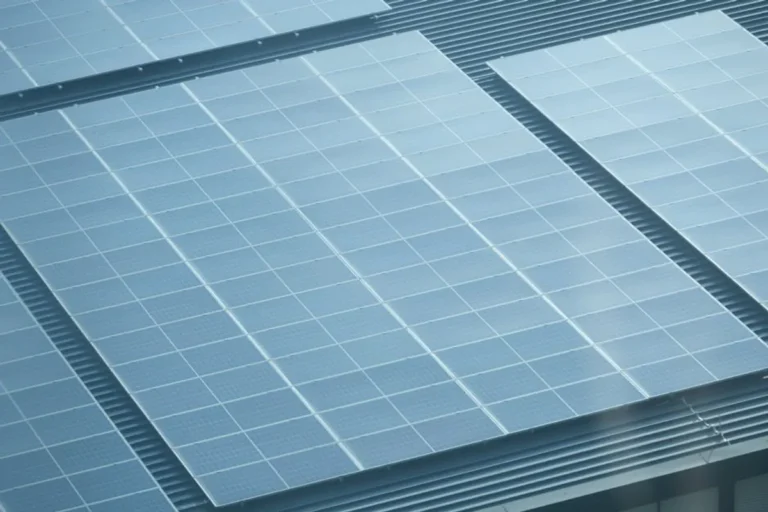
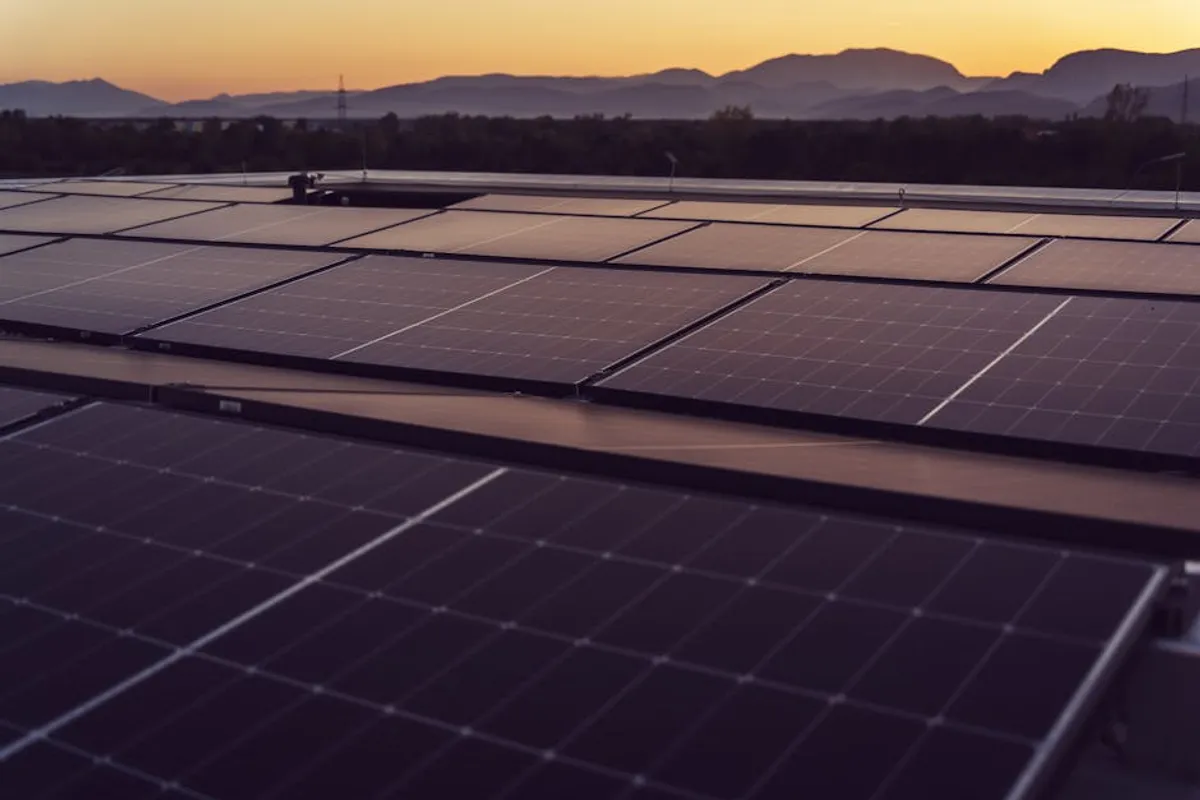
- On-site Generation: Installing solar photovoltaic (PV) panels or small wind turbines on company property can directly offset grid electricity consumption. This provides energy independence and price stability.
- Power Purchase Agreements (PPAs): Entering into long-term contracts with renewable energy developers to purchase electricity from off-site solar or wind farms. This allows companies to support new renewable capacity without the capital expenditure of owning assets.
- Green Tariffs and Certificates: Purchasing renewable energy directly from utilities (green tariffs) or acquiring Renewable Energy Certificates (RECs) to match electricity consumption with renewable generation.
- Electrification of Processes: Where feasible, converting processes that traditionally rely on fossil fuels (e.g., natural gas boilers) to electric alternatives powered by renewables.
Process Innovation and Material Shifts
Rethinking core industrial processes and the materials used can lead to deep decarbonization, addressing Scope 1 emissions (direct emissions from owned or controlled sources).
Key approaches:
- Low-Carbon Materials: Substituting high-emission materials (e.g., traditional cement, virgin plastics, steel produced with coal) with lower-carbon alternatives, recycled content, or bio-based materials.
- Circular Economy Principles: Designing products for longevity, repairability, and recyclability, reducing demand for new raw materials and minimizing waste. This includes strategies like industrial symbiosis, where waste from one process becomes a raw material for another.
- Process Electrification: Replacing fossil fuel-fired equipment (e.g., industrial furnaces, steam generators) with electric versions, especially when paired with renewable electricity sources.
- Carbon Capture, Utilization, and Storage (CCUS): For industries with unavoidable process emissions (e.g., cement, steel, chemical production), CCUS technologies capture CO2 before it enters the atmosphere. This captured CO2 can then be stored underground or utilized in other industrial processes.
Supply Chain Engagement (Scope 3 Emissions)
Addressing Scope 3 emissions, which encompass all indirect emissions not included in Scope 2 (e.g., purchased goods and services, transportation, waste generation), is crucial for comprehensive decarbonization. These often represent the largest portion of an industrial company's carbon footprint.
Strategies involve:
- Supplier Collaboration: Working with suppliers to encourage their own decarbonization efforts, setting emission reduction targets, and providing support or incentives for sustainable practices.
- Logistics Optimization: Reducing emissions from transportation through route optimization, shifting to lower-emission freight modes (e.g., rail instead of truck), and adopting electric or hydrogen-powered vehicles.
- Product Design for Sustainability: Designing products that are lighter, more durable, or require less energy to produce, thereby reducing upstream emissions.
Pro Tip: A common pitfall in carbon reduction is focusing solely on direct operational emissions (Scope 1 and 2) while neglecting the significant impact of Scope 3. A truly robust strategy integrates supply chain partners, ensuring that efforts aren't simply shifting emissions upstream or downstream but achieving net reductions across the entire value chain. Begin with a comprehensive Scope 3 inventory to identify the most material categories.
Measurement, Reporting, and Verification (MRV)
Effective carbon reduction depends on accurate MRV. Establishing a baseline, consistently tracking emissions, and transparently reporting progress are non-negotiable for credibility and compliance. This includes adherence to frameworks like the Greenhouse Gas (GHG) Protocol and standards from organizations like ISO.
Key components:
- Baseline Setting: Establishing a clear historical emissions footprint against which future reductions can be measured.
- Data Collection and Management: Implementing robust systems for collecting energy consumption, production data, and other relevant metrics across all operational sites and relevant Scope 3 categories.
- Emissions Calculation: Using standardized methodologies and appropriate emission factors to convert activity data into CO2 equivalent emissions.
- Reporting: Publicly disclosing emissions data and reduction progress through sustainability reports, CDP (formerly Carbon Disclosure Project) submissions, or other relevant platforms.
- Verification: Engaging third-party auditors to independently verify emissions data and reduction claims, enhancing credibility and stakeholder trust.
Financial and Regulatory Landscape
The financial and regulatory environment significantly shapes carbon reduction strategies. Companies must navigate a complex interplay of incentives, compliance costs, and investment opportunities.
- Carbon Pricing Mechanisms: Understanding the impact of carbon taxes or cap-and-trade systems on operational costs and product pricing. These mechanisms create a financial incentive for emissions reduction.
- Government Incentives: Leveraging grants, tax credits, and subsidies available for investments in energy efficiency, renewable energy, and low-carbon technologies.
- Green Finance: Accessing financing options like green bonds, sustainability-linked loans, and impact investments that support environmental projects.
- Compliance Requirements: Adhering to national and international regulations, reporting mandates, and industry-specific emission standards. Non-compliance can result in fines and reputational damage.
Developing a Cohesive Reduction Plan
A successful carbon reduction plan for an industrial company is not a series of isolated projects but an integrated roadmap. It starts with a comprehensive assessment of current emissions, identifies reduction opportunities, sets ambitious yet achievable targets, and outlines a clear implementation pathway with defined responsibilities and timelines.
Essential steps include:
- Emissions Inventory & Baseline: Quantify Scope 1, 2, and 3 emissions to understand the current footprint.
- Opportunity Assessment: Identify and prioritize reduction opportunities based on cost-effectiveness, technical feasibility, and emission impact.
- Target Setting: Establish short-term (e.g., 2030) and long-term (e.g., 2050) reduction targets, aligning with scientific recommendations (e.g., Science Based Targets initiative).
- Roadmap Development: Create a detailed implementation plan, including technology investments, operational changes, supplier engagement, and required capital expenditure.
- Monitoring & Review: Continuously track progress, review performance against targets, and adapt the strategy as technologies evolve or regulations change.
Frequently Asked Questions
What is the typical ROI for carbon reduction investments?
ROI varies significantly by strategy. Energy efficiency upgrades often have shorter payback periods (1-5 years) due to direct cost savings. Renewable energy projects can have longer paybacks but offer long-term energy price stability. CCUS and deep process changes typically require higher upfront capital and longer-term strategic returns.
How do industrial companies begin measuring their carbon footprint?
Start by collecting energy bills, fuel consumption data, and production volumes. Utilize frameworks like the GHG Protocol to categorize emissions (Scope 1, 2, 3) and apply appropriate emission factors. Many third-party consultants specialize in initial carbon footprint assessments.
What role does digitalization play in carbon reduction?
Digitalization is crucial for optimizing processes, predictive maintenance, and real-time energy management. IoT sensors, AI-driven analytics, and digital twins can identify inefficiencies, forecast energy demand, and enable more precise control over operations, directly contributing to lower emissions.
Is it better to focus on Scope 1, 2, or 3 emissions first?
While a holistic approach is ideal, most companies begin with Scope 1 and 2 as they are directly controlled. However, a significant portion of an industrial company's footprint often lies in Scope 3 (supply chain). A comprehensive strategy addresses all three, prioritizing based on impact and feasibility after an initial inventory.