
Selecting the right topics for an energy industry blog transcends mere content creation; it is a strategic decision directly impacting brand authority, lead generation, and market positioning. In a sector characterized by rapid technological advancement, evolving regulatory frameworks, and significant capital investment, content must be precise, forward-looking, and directly address the concerns of a sophisticated audience. This includes investors evaluating emerging technologies, policymakers shaping future grids, businesses seeking sustainable solutions, and consumers navigating energy choices. The objective is not just to inform, but to establish thought leadership, capture specific search intent, and ultimately drive commercial engagement by demonstrating deep understanding and offering actionable insights.
How to Choose Relevant Energy Topics
Identifying high-impact energy topics requires a systematic approach that aligns content strategy with business objectives and audience needs. Begin by segmenting your target audience: Are you primarily addressing B2B decision-makers, institutional investors, government agencies, or residential consumers? Each group has distinct information needs and search behaviors. Next, conduct thorough keyword research to uncover both high-volume head terms and long-tail opportunities related to current industry trends, emerging technologies, and regulatory changes. Analyze competitor content to identify gaps or areas where your organization can offer a unique perspective or deeper expertise. Consider the commercial intent behind potential topics: Does a topic lend itself to showcasing your products, services, or research? Prioritize evergreen topics that maintain relevance over time, alongside timely analyses of breaking news or policy shifts. Finally, assess your internal expertise; authentic, expert-driven content builds credibility more effectively than superficial overviews. The goal is to build a content roadmap that positions your blog as an indispensable resource within the energy ecosystem.
1. Renewable Energy Technologies
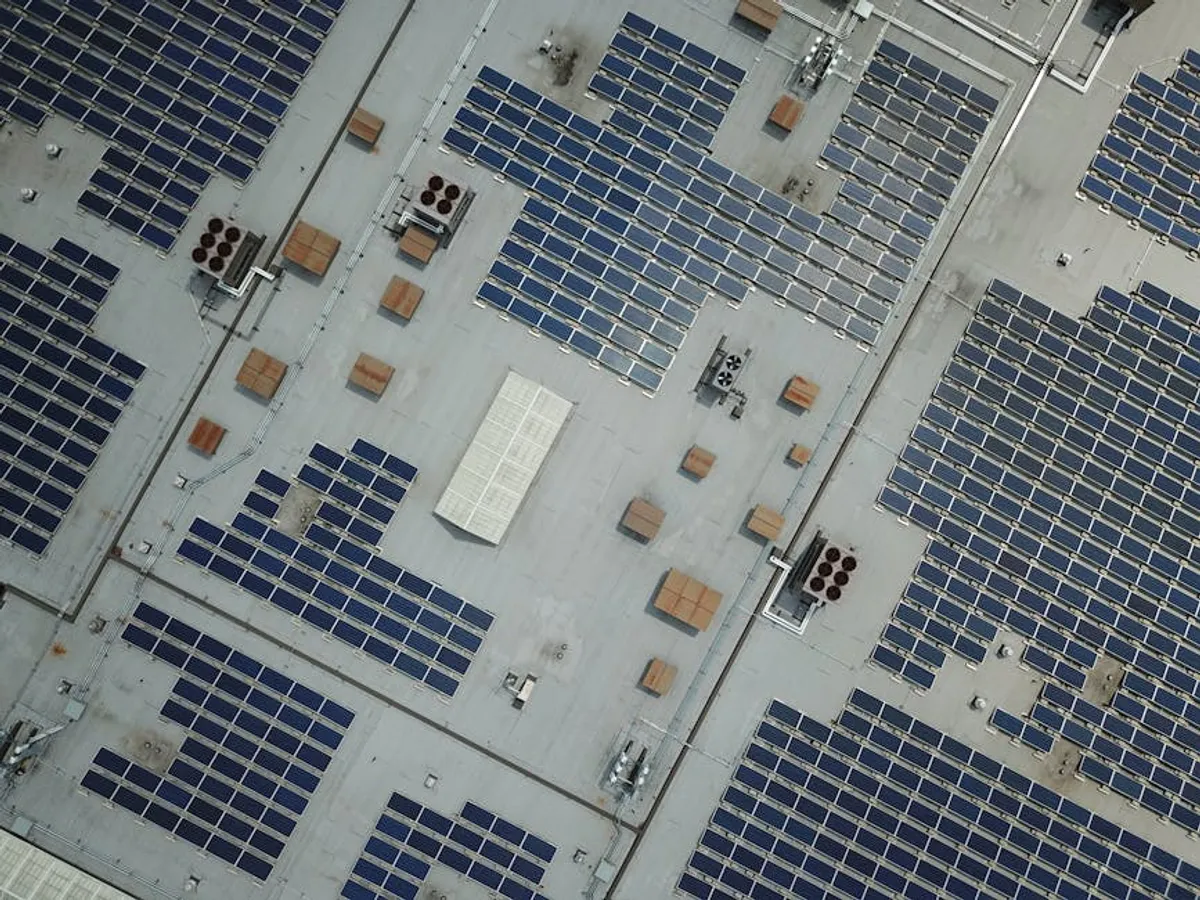
This category encompasses the broad spectrum of clean energy sources, including solar photovoltaics, wind power (onshore and offshore), geothermal energy, and hydropower. Content here can delve into specific technological advancements, efficiency improvements, cost reductions, and deployment challenges. It's a foundational topic for any energy blog due to its widespread adoption and ongoing innovation. Discussions can range from the economics of utility-scale solar farms to the integration of micro-wind solutions for distributed generation, or the potential of enhanced geothermal systems. The commercial utility lies in attracting stakeholders interested in investment, project development, or technology procurement.
Best for: Establishing thought leadership in clean energy innovation, attracting investors, project developers, and technology partners.
Pros: High search volume and sustained interest; diverse sub-topics allow for granular content; positions the blog as forward-thinking and sustainable-focused; directly relevant to ESG (Environmental, Social, and Governance) narratives.
Cons: Highly competitive keyword landscape; requires deep technical understanding to avoid generic content; rapid technological shifts necessitate frequent content updates.
Verdict: A cornerstone topic that offers broad appeal and numerous opportunities for in-depth, expert-driven content, provided the focus remains specific and current.
2. Energy Storage Solutions
As renewable energy penetration increases, the stability and reliability of the grid become paramount, making energy storage a critical and rapidly evolving topic. This includes lithium-ion batteries for grid-scale and residential applications, flow batteries, pumped hydro storage, compressed air energy storage, and emerging technologies like thermal storage. Blog posts can explore the economic benefits of storage (e.g., peak shaving, frequency regulation), technological breakthroughs, safety considerations, and policy incentives. This topic directly addresses grid resilience and the intermittency challenges of renewables, appealing to utilities, grid operators, and technology developers.
Best for: Targeting utilities, grid operators, battery manufacturers, and investors in critical infrastructure.
Pros: High commercial relevance due to direct impact on grid stability and renewable integration; strong potential for technical deep-dives and case studies; relatively less saturated than general renewable energy topics.
Cons: Requires specialized technical knowledge; market dynamics and technology standards can change quickly; some solutions are highly capital-intensive, narrowing the immediate audience.
Verdict: A high-value topic for demonstrating expertise in critical infrastructure and future grid development, offering significant lead generation potential for specialized solution providers.
3. Grid Modernization & Smart Grids
The transformation of traditional electricity grids into intelligent, resilient, and interactive systems is a complex but vital subject. Topics here cover advanced metering infrastructure (AMI), demand-side management, distributed energy resource (DER) integration, microgrids, cybersecurity for critical infrastructure, and the role of digital twins in grid planning. Content can explain how smart grid technologies enhance reliability, optimize energy flow, and enable greater consumer participation. This appeals to utilities, technology providers, regulators, and urban planners focused on future-proofing energy infrastructure.
Best for: Engaging utilities, technology vendors (IoT, AI, software), policymakers, and urban development agencies.
Pros: Addresses a fundamental shift in energy infrastructure; strong potential for illustrating complex concepts with real-world applications; positions the blog as an authority on energy system evolution and resilience.
Cons: Concepts can be highly technical and require simplification for broader understanding; cybersecurity aspects demand careful, up-to-date analysis; long project cycles mean immediate commercial impact might be delayed.
Verdict: Essential for blogs aiming to be at the forefront of energy infrastructure discussions, offering opportunities to showcase expertise in digital transformation and operational efficiency.
4. Energy Efficiency & Conservation
Often overlooked in favor of flashier technologies, energy efficiency remains the "first fuel" and a highly cost-effective method of reducing energy consumption and carbon emissions. Blog posts can focus on building energy management systems (BEMS), industrial process optimization, smart home technologies, insulation advancements, and behavioral economics in energy use. This topic has broad appeal, from residential consumers seeking to lower utility bills to large enterprises aiming for sustainability targets. It directly addresses operational cost reduction and environmental impact, making it commercially attractive.
Best for: Reaching commercial building owners, industrial operators, residential consumers, and sustainability managers.
Pros: Broad appeal across B2B and B2C segments; direct financial benefits for end-users, leading to strong commercial intent; evergreen topic with constant innovation in products and practices; supports sustainability and ESG goals.
Cons: Can be perceived as less "exciting" than new energy sources; requires practical, actionable advice to cut through general information; competition from government agencies and consumer advocacy groups.
Verdict: A commercially potent topic that offers tangible value propositions, making it ideal for lead generation through practical guides and solution-oriented content.
5. Electric Vehicles (EVs) & Charging Infrastructure
The rapid growth of the electric vehicle market presents significant opportunities and challenges for the energy sector. Blog topics can cover EV battery technology, charging station deployment strategies (public, workplace, home), vehicle-to-grid (V2G) capabilities, the impact of EVs on electricity demand, and policy incentives for adoption. This area is dynamic, with constant news and technological developments, appealing to automotive enthusiasts, fleet managers, urban planners, and utilities. Content can explore market trends, infrastructure investment, and the integration of EVs into smart cities.
Best for: Automotive industry stakeholders, urban planners, utilities, real estate developers, and consumers interested in sustainable transportation.
Pros: High public interest and media coverage; direct relevance to consumer behavior and infrastructure development; opportunities for local market analysis and policy discussions; strong potential for visual content.
Cons: Rapidly evolving technology and market dynamics require continuous monitoring; competitive content landscape with many automotive and tech blogs; infrastructure development varies significantly by region.
Verdict: A highly engaging and commercially relevant topic for capitalizing on a major market shift, particularly for businesses involved in charging infrastructure, energy management, or smart city development.
6. Hydrogen Economy & Fuel Cells
Green hydrogen, produced via electrolysis using renewable energy, is gaining significant traction as a potential decarbonization pathway for hard-to-abate sectors like heavy industry, long-haul transport, and seasonal energy storage. Blog content can explore hydrogen production methods (green, blue, grey), fuel cell applications (transport, stationary power), infrastructure requirements (pipelines, storage), and global policy initiatives. This is an emerging but high-potential area, attracting industrial players, chemical companies, energy firms, and investors seeking the next frontier in clean energy.
Best for: Targeting heavy industry, chemical manufacturers, logistics companies, energy infrastructure investors, and policymakers.
Pros: Positions the blog at the forefront of emerging energy solutions; high potential for thought leadership due to complexity and novelty; attracts high-value B2B audiences; aligns with long-term decarbonization goals.
Cons: Technology is still largely nascent and capital-intensive; significant policy support is required for widespread adoption; high technical barrier for content creation; market development is speculative in some areas.
Verdict: A strategic topic for demonstrating forward-thinking expertise and attracting high-value industrial and investment audiences, particularly for organizations involved in heavy industry decarbonization or advanced energy systems.
7. Carbon Capture, Utilization, and Storage (CCUS)
CCUS technologies are crucial for decarbonizing industrial emissions from sectors like cement, steel, and chemicals, as well as for removing CO2 directly from the atmosphere (Direct Air Capture). Blog posts can detail different capture technologies, CO2 transportation and storage methods, utilization pathways (e.g., enhanced oil recovery, synthetic fuels), and the economic and environmental viability of projects. This topic is highly relevant for heavy industry, engineering firms, and policymakers grappling with industrial decarbonization challenges. It also intersects with discussions on carbon credits and environmental markets.
Best for: Engaging heavy industry, engineering and construction firms, oil and gas companies, environmental consultants, and policymakers.
Pros: Addresses a critical challenge for industrial decarbonization; positions the blog as an authority on complex climate solutions; strong potential for case studies and technology comparisons; attracts high-value B2B leads.
Cons: Highly capital-intensive and complex projects; public perception challenges due to association with fossil fuels; regulatory frameworks are still developing in many regions; some technologies are still in early stages.
Verdict: A niche but high-impact topic for blogs focused on industrial sustainability and advanced climate technologies, offering opportunities for deep technical analysis and policy engagement.
8. Nuclear Energy (Small Modular Reactors - SMRs)
Traditional nuclear power is being re-evaluated, particularly with the advent of Small Modular Reactors (SMRs) and advanced reactor designs. These offer potential advantages in terms of scalability, manufacturing efficiency, and siting flexibility. Content can explore the technical principles of SMRs, their role in baseload power generation, safety enhancements, waste management challenges, and the regulatory pathways for deployment. This topic appeals to utilities, heavy engineering firms, national security agencies, and investors interested in reliable, low-carbon power generation. It provides a counter-narrative to purely renewable-focused discussions.
Best for: Utilities, heavy engineering firms, national security analysts, and investors seeking reliable, low-carbon baseload power solutions.
Pros: Addresses the need for reliable, dispatchable, low-carbon power; SMRs are a rapidly developing niche with significant investment; offers a unique perspective within the energy transition debate; strong for thought leadership on energy security.
Cons: Public perception challenges related to nuclear safety and waste; long development and deployment timelines; high regulatory hurdles; requires highly specialized expertise to cover credibly.
Verdict: A compelling topic for blogs aiming to cover the full spectrum of low-carbon energy solutions, particularly those focused on energy security and advanced power generation technologies.
9. Energy Policy & Regulation
Government policies and regulatory frameworks fundamentally shape energy markets, investment decisions, and technological adoption. Topics can include carbon pricing mechanisms, renewable energy mandates, grid interconnection rules, energy market design (e.g., wholesale electricity markets), and international climate agreements. Analyzing policy impacts, forecasting regulatory changes, and explaining complex legal frameworks are invaluable services. This appeals directly to investors, project developers, legal professionals, and businesses operating within regulated energy markets.
Best for: Targeting investors, project developers, legal professionals, energy traders, and businesses operating in regulated markets.
Pros: Directly influences commercial decisions and investment strategies; positions the blog as a critical source for market intelligence; high demand for clear, concise explanations of complex regulations; evergreen relevance as policies constantly evolve.
Cons: Requires deep understanding of legal and political landscapes; content can become quickly outdated with policy shifts; audience may be narrower, focusing on high-level decision-makers; risk of being perceived as overly academic.
Verdict: Indispensable for blogs seeking to provide strategic market insights and attract high-value B2B audiences who require actionable intelligence on regulatory developments.
10. Geopolitics of Energy
Energy is inextricably linked to international relations, trade, and national security. Blog posts can explore the impact of geopolitical events on oil and gas prices, the role of energy in international conflicts, the security of supply chains for critical minerals (e.g., for batteries), and the strategic implications of energy transition for various nations. This topic appeals to a broad audience, including policymakers, investors, risk analysts, and anyone interested in global affairs. It provides a macro-level perspective on energy trends and their wider implications.
Best for: Engaging policymakers, geopolitical analysts, institutional investors, and risk management professionals.
Pros: High relevance to current events and global news cycles; positions the blog as a source of macro-level strategic analysis; attracts a sophisticated, high-level audience; offers opportunities for unique, expert-driven commentary.
Cons: Requires a nuanced understanding of international relations and economics; can be speculative and subject to rapid change; may not directly lead to product/service conversions for some energy businesses; requires careful, unbiased analysis.
Verdict: A powerful topic for establishing thought leadership at the intersection of energy and global affairs, providing valuable context for investment and policy decisions.
11. Digitalization in Energy (AI, IoT, Big Data)
The application of digital technologies is transforming every segment of the energy sector, from upstream exploration to downstream distribution and consumption. Blog topics can focus on artificial intelligence (AI) for predictive maintenance in power plants, Internet of Things (IoT) sensors for grid monitoring, big data analytics for demand forecasting, blockchain for energy trading, and digital twins for asset optimization. This area is critical for improving operational efficiency, reducing costs, and enabling new business models. It appeals to technology providers, utilities, and industrial operators seeking to leverage digital transformation.
Best for: Targeting technology companies, utilities, industrial operators, and software developers in the energy sector.
Pros: High interest from technology-driven businesses; strong potential for showcasing innovative solutions and case studies; positions the blog as forward-thinking and technologically advanced; directly impacts operational efficiency and cost savings.
Cons: Requires expertise in both energy and digital technologies; rapid technological obsolescence; risk of using generic buzzwords without concrete examples; cybersecurity concerns are paramount and complex.
Verdict: A commercially valuable topic for demonstrating expertise in cutting-edge solutions that drive efficiency and innovation across the energy value chain, attracting tech-savvy B2B audiences.
12. Sustainable Finance & ESG in Energy
The increasing focus on Environmental, Social, and Governance (ESG) criteria is profoundly influencing investment decisions and corporate strategy within the energy sector. Blog content can explore green bonds, sustainable investment funds, carbon accounting, climate risk disclosure, corporate sustainability reporting, and the role of financial institutions in driving the energy transition. This topic is crucial for attracting capital, demonstrating corporate responsibility, and navigating new investor demands. It appeals to financial institutions, investors, corporate sustainability officers, and public relations teams.
Best for: Engaging financial institutions, institutional investors, corporate sustainability officers, and public relations professionals.
Pros: Directly influences investment flows and corporate valuation; high relevance for corporate reporting and brand reputation; positions the blog as knowledgeable on responsible investing and corporate governance; attracts high-value financial audiences.
Cons: Can be subject to "greenwashing" accusations if not handled credibly; requires a solid understanding of financial markets and ESG frameworks; metrics and standards are still evolving; content can be highly technical for non-finance professionals.
Verdict: A strategic topic for attracting investment and demonstrating commitment to responsible business practices, crucial for organizations seeking capital or aiming to enhance their corporate reputation.
Measuring Content Success for Energy Blogs
Effective content for an energy industry blog is not solely about publishing; it is about achieving measurable commercial outcomes. Success metrics must extend beyond vanity metrics like page views. Focus on key performance indicators (KPIs) that directly correlate with business objectives. Organic search traffic growth for specific, commercially relevant keywords indicates improved visibility and authority. Time on page and bounce rate provide insights into content engagement and relevance. For lead generation, track conversion rates for calls-to-action (CTAs) within articles, such as whitepaper downloads, webinar registrations, or demo requests. Backlink acquisition from authoritative industry sources signals content quality and thought leadership. Social shares and mentions, particularly on professional platforms like LinkedIn, demonstrate content resonance within the target community. Ultimately, the most critical measure is the contribution of content to the sales pipeline, whether through direct inquiries, influenced deals, or a demonstrable increase in brand recognition among key decision-makers. Regular analytics reviews and A/B testing of content formats and CTAs are essential for continuous optimization.
Frequently Asked Questions
Q: How often should an energy industry blog publish new content?
A: The optimal frequency depends on your resources and audience expectations, but consistency is key. For most energy industry blogs targeting B2B audiences, publishing 2-4 high-quality, in-depth articles per month is a realistic starting point. Prioritize quality and relevance over sheer quantity to maintain authority.
Q: How technical should the content be for an energy blog?
A: The level of technicality should match your primary target audience. For engineers and scientists, detailed technical specifications and data are appropriate. For investors or policymakers, focus on the implications and strategic value of technologies, simplifying complex concepts without oversimplifying the impact. Always aim for clarity and precision, regardless of the technical depth.
Q: How can I find relevant keywords for energy topics?
A: Utilize keyword research tools to identify search volumes, competition, and related terms. Look for long-tail keywords that indicate specific commercial intent. Supplement this with industry trend reports, conference agendas, and direct feedback from your sales and technical teams. Analyze what your competitors are ranking for and identify content gaps.
Q: Should an energy blog cover controversial topics?
A: Covering controversial topics can establish thought leadership by demonstrating a willingness to engage with complex issues. If you choose to address them, ensure your content is well-researched, balanced, and presents multiple perspectives where appropriate. The goal is to inform and analyze, not to take an uncritical stance, which can damage credibility.
Q: What role do visuals play in energy blog content?
A: Visuals are crucial for making complex energy topics more accessible and engaging. Use high-quality infographics, charts, diagrams, and images to illustrate data, explain processes, and break up text. Videos, animations, and interactive elements can further enhance engagement, particularly for explaining new technologies or operational processes.