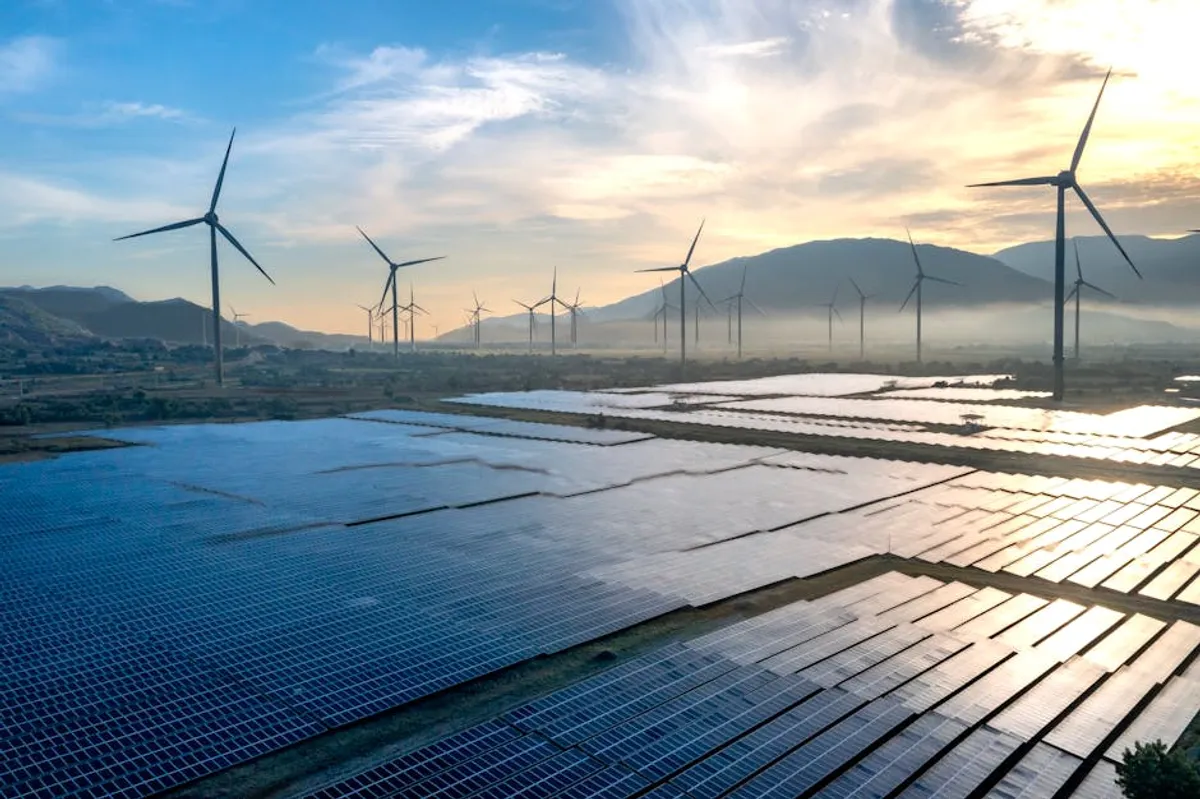
The energy sector is undergoing a profound transformation, driven by the accelerating integration of renewable sources. This shift is not merely an environmental imperative; it represents a fundamental restructuring of traditional energy markets, impacting everything from power generation economics to regulatory frameworks and business models. For utilities, independent power producers, investors, and industrial energy consumers, understanding these evolving dynamics is critical for navigating future operational and investment decisions. The commercial viability of legacy fossil fuel assets is being challenged by declining renewable costs, while new opportunities emerge in energy storage, grid modernization, and distributed generation. Navigating these evolving energy industry trends will require significant adaptation from all stakeholders.
The Shifting Economics of Power Generation
Levelized Cost of Energy (LCOE) Parity
The most significant driver behind renewable energy's market disruption is its rapidly falling Levelized Cost of Energy (LCOE). In many regions, new solar photovoltaic (PV) and onshore wind projects now offer electricity at a lower LCOE than new coal or gas-fired power plants. This cost advantage is not solely dependent on subsidies; technological advancements, economies of scale in manufacturing, and improved project development efficiencies have made renewables competitive on their own merits. This economic reality directly undermines the investment case for new traditional power generation and pressures existing plants with higher operational costs.
Decarbonization Pressures
Beyond direct cost competition, traditional energy markets face increasing pressure from decarbonization mandates. Governments globally are setting ambitious emissions reduction targets, translating into policies that favor low-carbon energy sources. Investors are increasingly incorporating Environmental, Social, and Governance (ESG) criteria into their decisions, divesting from fossil fuel assets and channeling capital towards renewable projects. This financial and regulatory environment raises the cost of capital for carbon-intensive projects and accelerates the retirement of older, less efficient traditional power plants, even if they remain physically operational.
Grid Integration Challenges and Solutions
The intermittent nature of solar and wind power introduces complexities for grid operators accustomed to dispatchable, baseload generation. This variability can lead to supply-demand imbalances, requiring significant investment in grid infrastructure and operational flexibility. Solutions include advanced forecasting techniques, demand-side management programs that incentivize consumers to shift energy use, and the development of more robust transmission networks. The need for ancillary services, such as frequency regulation and voltage support, also creates new market segments that renewables, often paired with storage, are increasingly positioned to fulfill.
Market Dynamics and Business Model Evolution
Displacement of Baseload Power
Historically, traditional power markets relied on large, centralized baseload plants (coal, nuclear, large hydro) to provide a constant supply of electricity. The influx of low-cost, zero-marginal-cost renewable energy, particularly during peak solar and wind production hours, displaces this baseload generation. This means traditional plants operate fewer hours, reducing their capacity factors and profitability. Some may be forced to cycle on and off more frequently, incurring higher maintenance costs and reduced efficiency, fundamentally changing their economic role from constant suppliers to flexible, peak-support providers. This necessitates exploring flexible generation and advanced energy storage solutions to balance intermittent supply.
Rise of Distributed Generation
Renewable energy has fostered the growth of distributed generation (DG), where electricity is produced close to the point of consumption, such as rooftop solar panels or community microgrids. This decentralization bypasses traditional utility infrastructure for a portion of energy demand, reducing revenue for incumbent utilities from electricity sales and transmission fees. It also empowers consumers with more control over their energy supply and can enhance local grid resilience, but requires utilities to adapt their business models from pure energy providers to grid managers and service facilitators.
New Revenue Streams and Service Models
The evolving energy landscape opens new commercial avenues that traditional energy companies can pursue or that new entrants are capitalizing on. These include:
- Energy Storage Solutions: Deploying utility-scale batteries or other storage technologies to firm up renewable output and provide grid services.
- Virtual Power Plants (VPPs): Aggregating distributed energy resources (like rooftop solar, batteries, and flexible loads) into a single, dispatchable entity that can participate in wholesale markets.
- Grid Modernization Services: Developing and implementing smart grid technologies, advanced metering infrastructure, and digital platforms for optimized energy management.
- Energy-as-a-Service (EaaS): Offering comprehensive energy solutions to commercial and industrial customers, including generation, storage, and efficiency measures, often under performance-based contracts.
- Power Purchase Agreements (PPAs): Long-term contracts for renewable energy, providing stable revenue streams for developers and predictable costs for corporate off-takers.
Pro Tip: Traditional energy companies must proactively assess their portfolio for potential stranded assets, particularly older, less flexible fossil fuel plants. Investing in grid modernization, energy storage, and flexible generation capacity is crucial for long-term viability in a decarbonizing market.
Regulatory and Policy Frameworks in Transition
Carbon Pricing and Emissions Trading
Regulatory mechanisms like carbon taxes and emissions trading schemes (ETS) directly impact the profitability of traditional energy sources by assigning a cost to carbon emissions. These policies create a financial incentive for power generators to switch to lower-carbon alternatives, making renewables more economically attractive. As carbon prices rise, the competitive advantage of zero-emission renewables intensifies, accelerating the phase-out of high-emitting traditional plants.
Renewable Portfolio Standards (RPS) and Subsidies
Many jurisdictions have implemented Renewable Portfolio Standards (RPS) or similar mandates requiring a certain percentage of electricity to come from renewable sources. These policies create a guaranteed market for renewable energy and drive investment. While direct subsidies for renewables have decreased as costs have fallen, targeted incentives for emerging technologies like long-duration storage or green hydrogen continue to shape market development and influence investment flows away from traditional energy.
Grid Modernization and Market Design
Existing electricity market designs were largely conceived for centralized, one-way power flow from large generators to consumers. The rise of distributed, variable renewables necessitates a redesign of these markets to accommodate two-way power flow, incentivize flexibility, and properly value grid services beyond just energy supply. Regulatory bodies are grappling with how to integrate these new resources fairly, ensure grid stability, and allocate costs appropriately, often leading to complex tariff structures and market rules that favor agility and innovation.
Technological Advancements Driving the Shift
Energy Storage Breakthroughs
The rapid decline in the cost of lithium-ion batteries has been a game-changer for renewable energy integration, enabling the storage of excess solar and wind generation for use when needed. Beyond lithium-ion, research and development in long-duration storage technologies (e.g., flow batteries, compressed air energy storage, green hydrogen) promise to further enhance grid flexibility and reduce reliance on traditional peaker plants. These advancements allow renewables to provide more dispatchable power, eroding a key advantage of fossil fuels.
Smart Grid and AI Integration
The deployment of smart grid technologies, including advanced sensors, digital controls, and real-time communication systems, is essential for managing the complexity of a renewable-heavy grid. Artificial intelligence (AI) and machine learning are increasingly used for predictive analytics, optimizing renewable generation forecasts, managing demand response programs, and orchestrating distributed energy resources. This intelligent infrastructure enables more efficient and reliable operation of a highly variable energy mix, reducing the need for traditional, manually dispatched backup power.
Advanced Materials and Efficiency Gains
Continuous innovation in materials science and engineering is driving further efficiency gains and cost reductions across renewable technologies. For solar, this includes improvements in panel efficiency, bifacial modules, and perovskite research. In wind power, larger turbine sizes, advanced blade designs, and offshore wind technology are unlocking greater capacity factors and expanding deployment potential. These incremental improvements collectively enhance the competitiveness of renewables against traditional energy sources.
Navigating the Evolving Energy Landscape
The transformation of traditional energy markets by renewable energy is an ongoing process with significant implications for all participants. Success in this new environment hinges on a willingness to embrace technological innovation, adapt business models, and engage proactively with evolving regulatory frameworks. Traditional utilities must transition from asset owners to service providers and grid orchestrators, while new energy players can capitalize on opportunities in storage, smart grid solutions, and distributed energy. Strategic investments in flexible generation, digital infrastructure, and low-carbon technologies will be paramount for securing a resilient and profitable position in the future energy economy.
Frequently Asked Questions
How do renewables affect the wholesale price of electricity?
Increased renewable generation, particularly during high production periods, can drive down wholesale electricity prices due to their near-zero marginal cost of operation. This creates a "merit order effect," where lower-cost renewables are dispatched first, reducing demand for higher-cost traditional generation.
What are "stranded assets" in the context of renewable energy?
Stranded assets refer to traditional power plants (e.g., coal or gas) that become economically unviable or technologically obsolete before the end of their anticipated operational life, often due to competition from cheaper renewables or stricter environmental regulations.
How do energy storage systems support renewable integration?
Energy storage systems, such as large-scale batteries, store excess electricity generated by intermittent renewables (solar, wind) and release it when generation is low or demand is high. This helps to balance the grid, improve reliability, and reduce the need for traditional backup power plants.
What role does policy play in the transition to renewable energy?
Government policies, including renewable portfolio standards, carbon pricing, tax incentives, and grid modernization mandates, are crucial in accelerating the adoption of renewable energy by creating market demand, providing financial support, and establishing a regulatory framework that favors clean energy technologies.