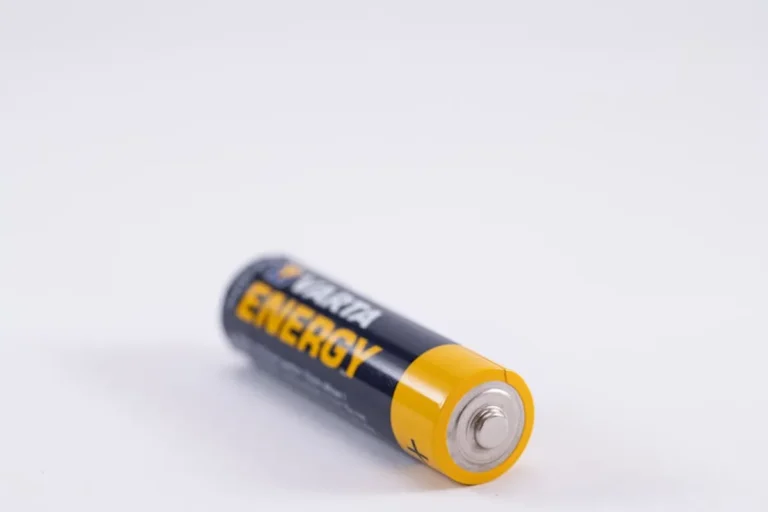
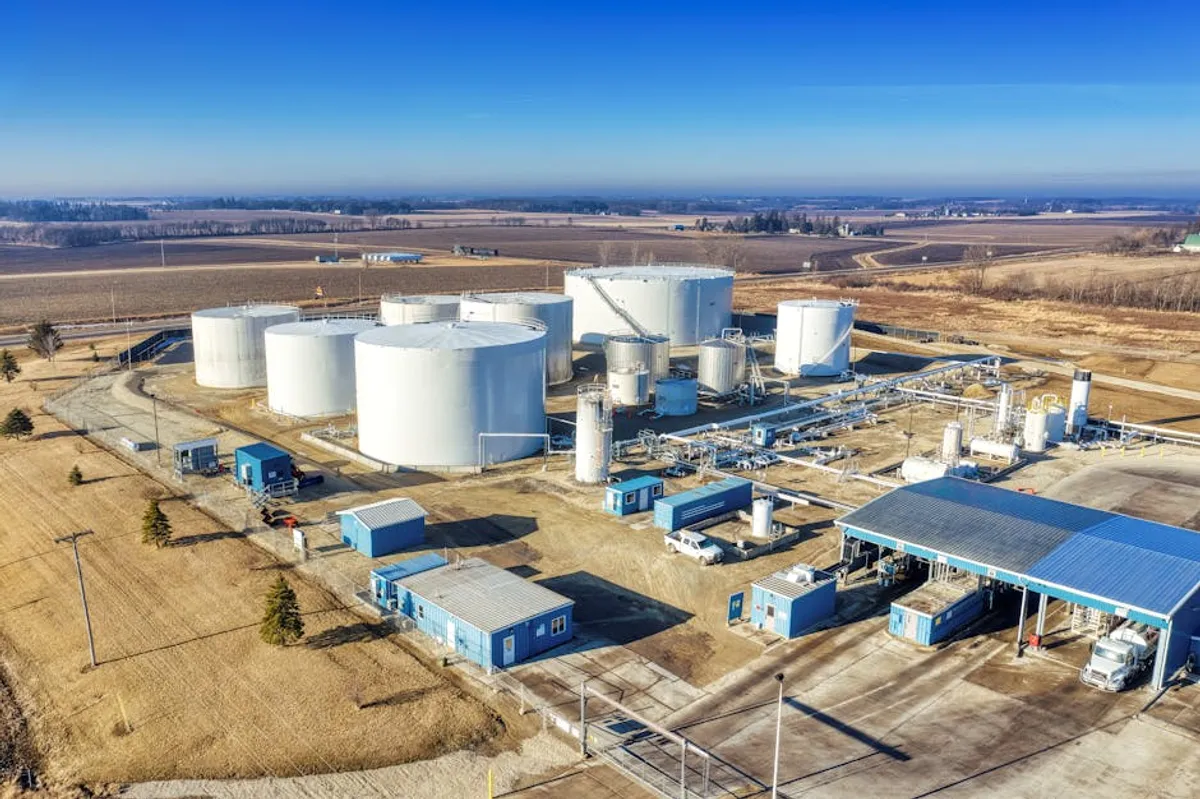
Energy storage systems are transitioning from niche applications to foundational infrastructure, driven by volatile energy markets, increasing renewable integration, and the critical need for operational resilience. For businesses and grid operators, understanding the practical applications and economic drivers behind energy storage—specifically batteries and their integration into grids—is no longer optional. This explainer outlines the core technologies and commercial uses, offering a framework for assessing their value in maintaining continuous operations, optimizing energy costs, and supporting sustainable practices. This shift is largely driven by volatile energy markets and renewable integration, which fundamentally alter how energy is produced and consumed.
Core Technologies Powering Energy Storage
Modern energy storage primarily relies on electrochemical battery technologies, each presenting distinct characteristics for specific applications. The selection hinges on factors like energy density, power output, cycle life, safety, and cost.
Battery Chemistries and Their Commercial Fit
- Lithium-ion (Li-ion) Batteries: Dominant in both grid-scale and commercial applications due to high energy density, efficiency, and declining costs. They excel in short-to-medium duration storage (2-6 hours) for services like frequency regulation, peak shaving, and backup power. Their rapid response time makes them suitable for dynamic grid support.
- Flow Batteries: Utilize liquid electrolytes stored in external tanks, allowing for independent scaling of power and energy capacity. This makes them ideal for long-duration storage (4-12+ hours) and applications requiring sustained discharge, such as renewable energy firming and remote microgrids. They offer long cycle life and lower degradation over time compared to Li-ion.
- Lead-Acid Batteries: A mature and cost-effective technology, primarily used for short-duration backup power and uninterruptible power supplies (UPS). While less energy-dense and having a shorter cycle life than Li-ion, their proven reliability and lower upfront cost make them viable for specific, less demanding commercial applications.
- Solid-State Batteries: An emerging technology promising higher energy density, improved safety (non-flammable electrolytes), and faster charging. While still largely in development for large-scale deployment, they represent a future direction for more compact and robust storage solutions.
Grid Integration and Services
Energy storage systems (ESS) play a pivotal role in modernizing and stabilizing electrical grids. Their ability to rapidly absorb and discharge electricity offers multiple benefits:
- Peak Shaving and Load Shifting: ESS charges during periods of low demand and discharges during peak demand, reducing strain on the grid and lowering electricity costs for large consumers by avoiding high demand charges.
- Frequency Regulation: By quickly injecting or absorbing power, ESS helps maintain grid frequency within narrow operating bands, crucial for system stability.
- Renewable Energy Integration: Storage mitigates the intermittency of solar and wind power, enabling a higher penetration of renewables by storing excess generation and releasing it when demand is high or generation is low.
- Transmission and Distribution (T&D) Deferral: Deploying ESS can alleviate congestion on T&D infrastructure, deferring the need for costly upgrades to lines and substations.
- Black Start Capability: Certain ESS can restart portions of the grid after a blackout without external power, enhancing resilience.
Business and Commercial Applications of Energy Storage
Beyond grid-level benefits, businesses leverage energy storage to achieve operational efficiencies, cost savings, and enhanced reliability.
Optimizing Energy Costs and Revenue
Best for: Businesses with high demand charges or access to energy markets.
Energy storage allows commercial entities to actively manage their electricity consumption. By storing cheaper off-peak power and using it during expensive peak hours, businesses can significantly reduce their utility bills, particularly demand charges which are based on the highest power draw during a billing cycle. Furthermore, some businesses can participate in demand response programs or offer ancillary services to the grid, generating revenue from their storage assets.
Ensuring Operational Resilience and Power Quality
Best for: Critical facilities, data centers, manufacturing plants, and healthcare.
Uninterrupted power is essential for many commercial operations. ESS provides backup power during outages, ensuring continuity for critical systems and preventing costly downtime. Beyond blackouts, storage can improve power quality by filtering voltage sags, swells, and momentary interruptions, protecting sensitive equipment and processes.
Supporting Electric Vehicle (EV) Charging Infrastructure
Best for: Commercial fleets, public charging stations, and workplaces with EV charging.
The rapid expansion of EV charging can strain local electrical infrastructure and incur high demand charges. Integrating energy storage with EV charging stations allows facilities to buffer these high power draws. Storage can charge slowly from the grid and then rapidly discharge to EVs, reducing peak load on the grid and lowering operational costs for charging providers.
Pro Tip: When evaluating energy storage for commercial applications, prioritize a detailed load profile analysis. Understanding your facility's energy consumption patterns, peak demand periods, and critical load requirements is fundamental to correctly sizing an ESS and maximizing its economic and operational benefits. An undersized system will fail to deliver full value, while an oversized system represents unnecessary capital expenditure.
Strategic Deployment Considerations
Implementing an energy storage system involves more than just selecting a battery type. A holistic approach considering technical, economic, and regulatory factors is essential for successful deployment.
System Sizing and Integration
Accurate sizing requires matching the ESS's power (kW) and energy (kWh) capacity to the specific application. This involves assessing peak power requirements, desired discharge duration, and integration with existing energy infrastructure like solar PV arrays, generators, and building management systems. Seamless integration ensures optimal performance and interoperability.
Regulatory and Market Landscape
The regulatory environment for energy storage varies significantly by region. Understanding local interconnection rules, permitting processes, and available incentives (e.g., tax credits, rebates, performance-based payments) is crucial. Participation in wholesale energy markets or demand response programs also depends on specific market rules and eligibility criteria.
Safety and Maintenance Protocols
Energy storage systems, particularly large-scale battery installations, require rigorous safety protocols. This includes thermal management systems, fire suppression, and adherence to electrical codes and standards. Regular maintenance, monitoring, and software updates are necessary to ensure long-term performance, safety, and efficiency.
Navigating Your Energy Storage Investment
The widespread adoption of energy storage is driven by its tangible benefits in cost reduction, operational stability, and environmental sustainability. For businesses and grid operators, the path to leveraging these advantages involves careful planning, technology selection aligned with specific use cases, and a thorough understanding of the economic and regulatory landscape. Engaging with experienced integrators and consultants can help navigate the complexities, ensuring that energy storage investments deliver their full potential.
Frequently Asked Questions About Energy Storage
What is the primary benefit of energy storage for businesses?
The primary benefit is often a reduction in electricity costs, particularly through demand charge management and time-of-use optimization, coupled with enhanced operational resilience during power outages.
How do battery types differ for commercial use?
Lithium-ion batteries offer high energy density and quick response for short-to-medium duration needs, while flow batteries are suited for longer durations and greater scalability. Lead-acid batteries remain a cost-effective option for basic backup power.
Is energy storage a cost-effective investment?
Cost-effectiveness depends on local electricity rates, demand charges, available incentives, and the specific application. Many systems achieve a positive return on investment through energy savings, revenue generation from grid services, and avoided costs from downtime.
What are the key safety considerations for commercial battery storage?
Key safety considerations include thermal management, fire suppression systems, proper ventilation, adherence to building and electrical codes, and regular maintenance to prevent failures and ensure safe operation.