The global oil and gas supply chain represents one of the most complex, capital-intensive, and geopolitically sensitive networks in existence. It is not a singular, linear process but rather an interconnected system of exploration, extraction, processing, transportation, and distribution that fuels industries and economies worldwide. For investors, logistics professionals, energy analysts, and policymakers, a clear understanding of this chain’s operational mechanics is essential for assessing risk, identifying opportunities, and navigating market volatility. This article details the core stages and critical factors that define how crude oil and natural gas move from subterranean reservoirs to end-users.
Understanding the Core Segments: Upstream, Midstream, Downstream
The oil and gas supply chain is conventionally segmented into three distinct, yet interdependent, phases, each with its own operational focus, technological requirements, and risk profile.
Upstream: Exploration and Production (E&P)
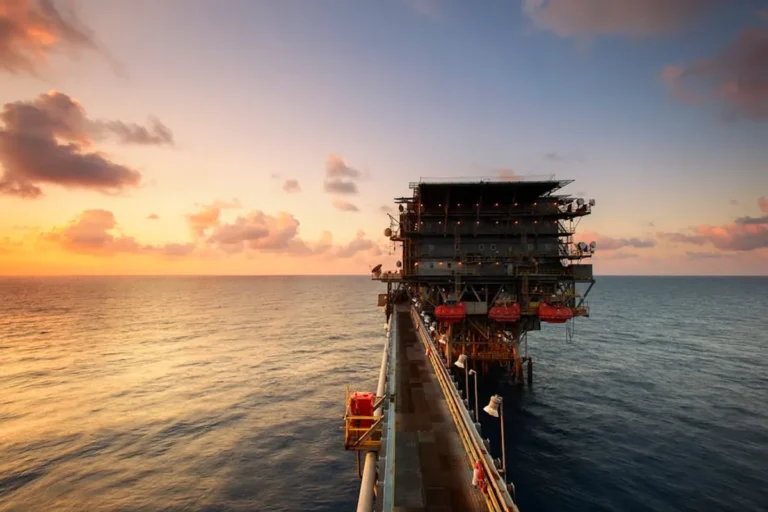
The upstream segment initiates the supply chain, concentrating on the identification, extraction, and initial processing of crude oil and natural gas. This phase is characterized by high capital expenditure, significant geological risk, and long lead times.
- Exploration: Involves seismic surveys, geological modeling, and exploratory drilling to locate commercially viable hydrocarbon reserves. Data acquisition and interpretation are critical here for minimizing dry well risk.
- Drilling and Extraction: Once reserves are identified, production wells are drilled. This can range from conventional onshore drilling to complex deepwater or unconventional (shale gas/oil) extraction methods like hydraulic fracturing.
- Initial Processing: At the wellhead or nearby facilities, raw hydrocarbons undergo preliminary separation to remove water, sediment, and associated gases, preparing the crude for transport.
Key considerations for this segment: Geological uncertainty, regulatory compliance, environmental impact assessments, and technological innovation in drilling and recovery techniques.
Midstream: Transportation and Storage
The midstream segment bridges the gap between production areas and refining centers or consumption markets. Its primary function is the safe and efficient movement and storage of crude oil, natural gas, and refined products.
- Pipelines: The backbone of midstream infrastructure, pipelines transport large volumes of crude oil, natural gas, and refined products over long distances. They require extensive capital investment, right-of-way acquisition, and continuous maintenance.
- Shipping: Crude oil and Liquefied Natural Gas (LNG) are transported globally via specialized tankers (e.g., Very Large Crude Carriers - VLCCs, LNG carriers). This mode is crucial for intercontinental trade and accessing diverse markets.
- Rail and Truck: Used for shorter distances, connecting production areas to pipelines or refineries, or for distributing specialized products to regional markets. Offers flexibility but typically higher unit costs than pipelines for bulk transport.
- Storage: Facilities like tank farms, underground caverns, and strategic petroleum reserves (SPRs) provide buffer capacity, manage supply fluctuations, and ensure energy security.
Key considerations for this segment: Infrastructure reliability, security against sabotage, regulatory oversight of tariffs and pipeline access, and environmental safety protocols.
Downstream: Refining, Processing, and Marketing
The downstream segment transforms raw hydrocarbons into a wide array of usable products and delivers them to end-consumers. This is the most consumer-facing part of the supply chain.
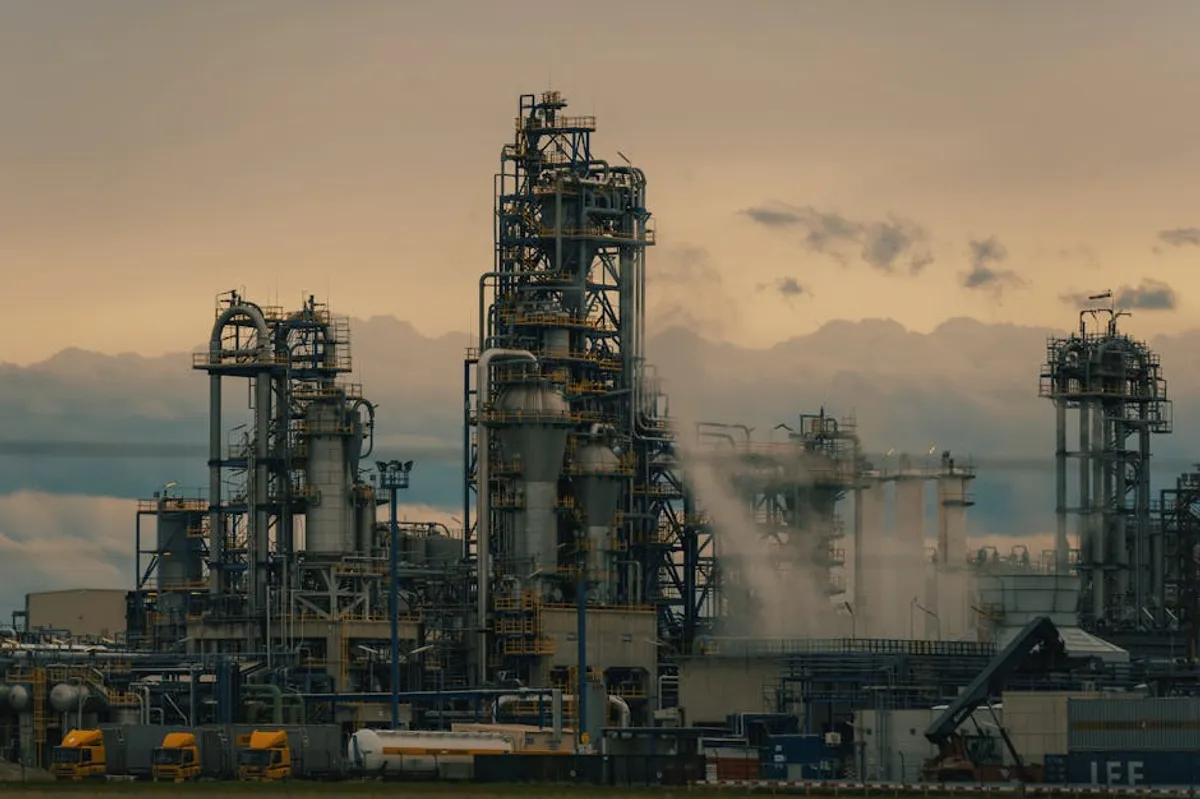
- Refining: Crude oil is processed in refineries through complex chemical and physical processes (e.g., fractional distillation, cracking, reforming) to produce gasoline, diesel, jet fuel, lubricants, asphalt, and other petroleum products.
- Petrochemicals: Natural gas liquids (NGLs) and certain refinery outputs serve as feedstocks for the petrochemical industry, which produces plastics, fertilizers, synthetic rubbers, and countless other chemical products.
- Distribution: Refined products are moved from refineries to terminals, bulk plants, and ultimately to retail outlets (gas stations), industrial users, and commercial clients via pipelines, trucks, rail, and barges.
- Marketing and Sales: Involves branding, pricing strategies, and direct sales to end-users and commercial accounts.
Key considerations for this segment: Market demand fluctuations, product specifications, environmental regulations for emissions, and competitive pricing strategies.
Critical Factors Shaping the Oil and Gas Supply Chain
The operational efficiency and economic viability of the oil and gas supply chain are continuously influenced by a confluence of external and internal factors.
- Geopolitical Dynamics: Political stability in producing regions, international trade relations, sanctions, and conflicts can disrupt supply routes, impact production levels, and cause significant price volatility.
- Regulatory Frameworks: Government policies regarding environmental protection, safety standards, taxation, and resource ownership directly affect exploration permits, operational costs, and investment decisions across all segments.
- Technological Advancements: Innovations in seismic imaging, horizontal drilling, hydraulic fracturing, deepwater extraction, and digital logistics (e.g., IoT, AI for pipeline monitoring) enhance efficiency, reduce costs, and unlock previously inaccessible reserves.
- Market Demand and Price Volatility: Global economic growth, energy consumption patterns, and the rise of alternative energy sources dictate demand. Supply-demand imbalances, often exacerbated by geopolitical events or production decisions by major players, lead to dramatic price swings.
- Infrastructure Investment: The construction and maintenance of pipelines, refineries, and port facilities require massive, long-term capital commitments. Adequate infrastructure is critical for moving products efficiently and preventing bottlenecks.
Pro Tip: Geopolitical risks are not static. Regularly monitor global political developments, particularly in major producing and transit regions, as these can trigger immediate and significant impacts on supply availability and price stability, often with little advance warning.
Navigating Challenges and Risks
Operating within the oil and gas supply chain entails managing a spectrum of inherent challenges and risks:
- Operational Complexity and Scale: The sheer size and global reach of operations, coupled with the hazardous nature of hydrocarbons, demand stringent safety protocols and robust operational management.
- Environmental and Sustainability Pressures: Increasing global focus on climate change drives demand for reduced emissions, stricter environmental compliance, and investment in carbon capture technologies, adding to operational costs and regulatory scrutiny.
- Cybersecurity Threats: Critical infrastructure, including pipelines and control systems, is vulnerable to cyberattacks, which could lead to operational disruptions, environmental incidents, and significant financial losses.
- Capital Intensity and Long Lead Times: Projects in all segments, especially upstream and midstream, require immense capital investment and often take years to come online, exposing them to long-term market and policy uncertainties.
- Talent Management: Attracting and retaining skilled engineers, geologists, and operational staff is a persistent challenge, particularly as the industry undergoes technological transformation and faces competition from other sectors.
Ensuring Supply Chain Resilience and Efficiency
For stakeholders in the oil and gas sector, building a resilient and efficient supply chain is paramount. This involves continuous investment in advanced technologies for predictive maintenance and operational optimization, diversification of supply sources and transportation routes to mitigate geopolitical risks, and robust risk management frameworks that account for environmental, social, and governance (ESG) factors. Strategic partnerships and collaborative initiatives across the value chain can also enhance overall responsiveness to market shifts and unforeseen disruptions. Ultimately, adaptability and a proactive approach to evolving market dynamics and regulatory landscapes are key to sustained success.
Frequently Asked Questions
What is the primary difference between upstream, midstream, and downstream operations?
Upstream focuses on exploration and extraction of raw hydrocarbons. Midstream handles the transportation and storage of these raw materials and some refined products. Downstream involves refining crude into finished products and their subsequent distribution and marketing to consumers.
How do geopolitical events typically impact oil and gas prices?
Geopolitical events, such as conflicts or sanctions in major producing regions, can disrupt supply, create uncertainty about future availability, or impact transportation routes. These factors often lead to reduced supply expectations or increased risk premiums, driving up crude oil and natural gas prices.
What role does technology play in modernizing the oil and gas supply chain?
Technology enhances efficiency, safety, and environmental performance. Examples include advanced seismic imaging for exploration, automated drilling systems, IoT sensors for pipeline monitoring, AI for demand forecasting, and digital platforms for optimizing logistics and trading.
What are the main environmental concerns associated with the oil and gas supply chain?
Key environmental concerns include greenhouse gas emissions from production and consumption, potential for oil spills during extraction and transport, habitat disruption from infrastructure development, and water usage and contamination associated with certain extraction methods like hydraulic fracturing.