
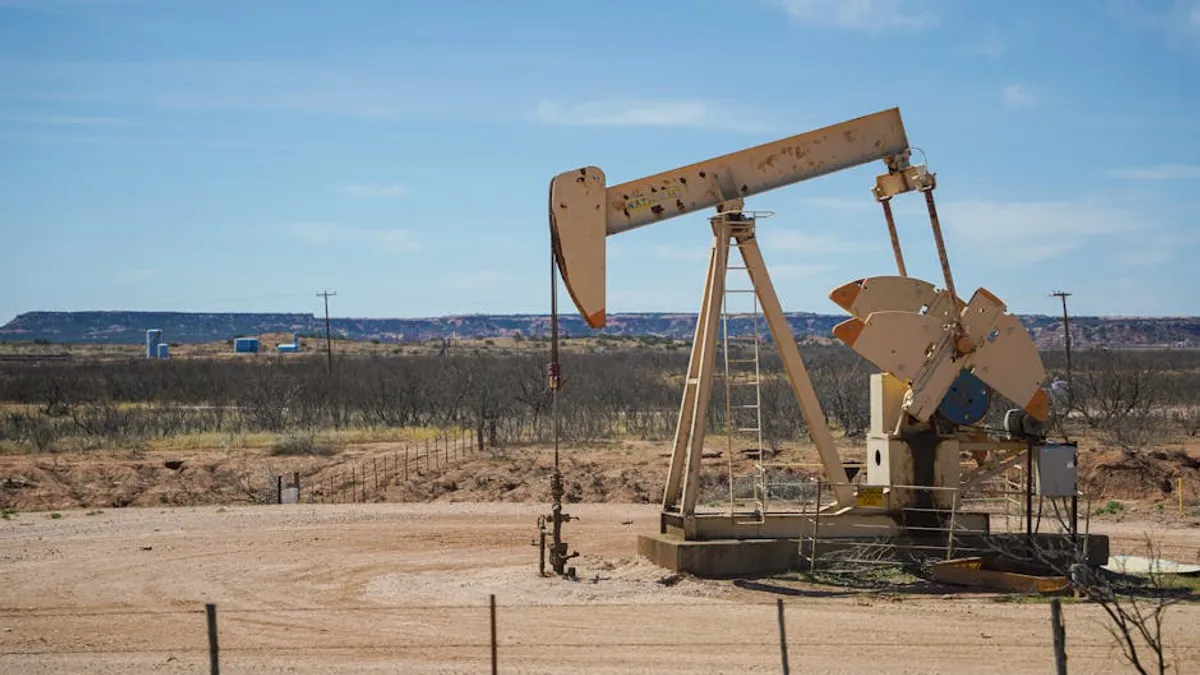
Crude oil forecasting is not merely an academic exercise; it is a critical commercial imperative for any enterprise or investor exposed to energy markets. Accurate predictions of crude oil prices directly influence everything from airline fuel hedging strategies and petrochemical company investment decisions to national economic planning and individual portfolio performance. The inherent volatility and global interconnectedness of the crude oil market mean that even marginal inaccuracies in forecasting can lead to substantial financial implications, making a foundational understanding of its basic principles indispensable. Understanding these dynamics provides crucial insights into energy markets and business impacts.
Core Drivers of Crude Oil Price Volatility
The price of crude oil is a complex interplay of fundamental supply-and-demand dynamics, geopolitical events, and macroeconomic indicators. Understanding these core drivers is the first step in constructing any viable forecasting model.
Supply-Side Factors
Global crude oil supply is influenced by several key elements:
- OPEC+ Production Decisions: The Organization of the Petroleum Exporting Countries and its allies (OPEC+) collectively control a significant portion of global oil production. Their decisions regarding production quotas directly impact supply levels.
- Non-OPEC Production: Output from countries like the United States (shale oil), Russia (outside OPEC+ agreements), Canada, and Brazil contributes substantially to overall supply. Technological advancements, particularly in shale extraction, can rapidly alter this landscape.
- Geopolitical Disruptions: Conflicts, sanctions, and political instability in major oil-producing regions (e.g., the Middle East, Venezuela, Russia) can lead to sudden supply outages or fears of future disruptions, causing price spikes.
- Natural Disasters and Accidents: Hurricanes in the Gulf of Mexico, pipeline ruptures, or refinery fires can temporarily reduce supply or processing capacity, affecting regional and global prices.
- Inventory Levels: Commercial crude oil inventories (e.g., in Cushing, Oklahoma, for WTI) and strategic petroleum reserves (SPR) act as a buffer. High inventories typically signal ample supply and can depress prices, while low inventories suggest tighter markets.
Demand-Side Factors
Global crude oil demand is primarily driven by:
- Global Economic Growth: A robust global economy generally translates to higher industrial activity, increased transportation, and greater energy consumption, boosting oil demand. Conversely, economic slowdowns or recessions reduce demand.
- Industrial Activity: Key sectors like manufacturing, petrochemicals, and construction are heavy consumers of petroleum products. Their output levels directly correlate with oil demand.
- Transportation: Road, air, and marine transport are major consumers. Factors like vehicle sales, air travel volumes, and global trade flows significantly influence demand.
- Seasonal Variations: Demand for heating oil peaks in winter in the Northern Hemisphere, while gasoline demand often rises during summer driving seasons.
- Energy Efficiency and Alternatives: Long-term trends towards electric vehicles, renewable energy sources, and improved fuel efficiency can gradually erode crude oil demand.
Key Methodologies for Crude Oil Forecasting
Effective crude oil forecasting rarely relies on a single approach. A combination of methodologies provides a more comprehensive and resilient predictive framework.
Fundamental Analysis
This methodology focuses on the underlying economic and market forces that dictate supply and demand. Analysts using this approach scrutinize:
- Supply/Demand Balances: Analyzing reports from major energy agencies (EIA, OPEC, IEA) to assess current and projected surpluses or deficits.
- Geopolitical Developments: Monitoring news and intelligence on conflicts, sanctions, and policy changes in oil-producing or consuming nations.
- Macroeconomic Data: Tracking GDP growth, inflation rates, interest rates, and industrial production data from major economies.
- Company Earnings Reports: Assessing the financial health and future investment plans of major oil and gas companies.
Utility: Provides a long-term perspective and contextualizes price movements within broader economic and political landscapes. It helps in understanding the 'why' behind price trends.
Technical Analysis
Technical analysis involves studying historical price and volume data to identify patterns and predict future price movements. Key tools include:
- Chart Patterns: Identifying formations like head and shoulders, double tops/bottoms, triangles, or flags that often precede specific price actions.
- Trend Lines: Drawing lines to identify the prevailing direction of prices (uptrend, downtrend, sideways).
- Support and Resistance Levels: Identifying price points where buying or selling pressure is historically strong, preventing further movement in a particular direction.
- Technical Indicators: Using mathematical calculations based on price and volume data, such as Moving Averages (MA), Relative Strength Index (RSI), Moving Average Convergence Divergence (MACD), and Bollinger Bands, to generate buy/sell signals or confirm trends.
Utility: Primarily used for short-to-medium term trading strategies, identifying potential entry and exit points, and understanding market sentiment reflected in price action.
Quantitative and Econometric Models
These sophisticated approaches use statistical and mathematical techniques to identify relationships between crude oil prices and various influencing variables. Common models include:
- Regression Analysis: Building models to quantify the relationship between crude oil prices (dependent variable) and factors like GDP growth, inventory levels, or geopolitical indices (independent variables).
- Time Series Models: Analyzing historical price data to identify patterns, seasonality, and trends, often using ARIMA (AutoRegressive Integrated Moving Average) or GARCH (Generalized Autoregressive Conditional Heteroskedasticity) models.
- Machine Learning (ML) Algorithms: Employing techniques like neural networks, support vector machines, or random forests to uncover complex, non-linear relationships in large datasets, potentially improving predictive accuracy.
Utility: Capable of processing vast datasets and identifying subtle correlations, these models are valuable for more data-driven and automated forecasting, especially for institutions with significant analytical resources.
Pro Tip: Do not rely on a single forecasting methodology. Combining insights from fundamental analysis, technical indicators, and quantitative models often provides a more robust and nuanced perspective on potential crude oil price movements. Cross-validation across different approaches helps mitigate the inherent biases and limitations of any individual method.
Essential Data Sources for Informed Predictions
Access to timely and reliable data is paramount for any forecasting effort. Key sources include:
- Energy Information Administration (EIA): Publishes weekly and monthly reports on U.S. petroleum status, production, consumption, and inventories, alongside short-term and long-term energy outlooks.
- Organization of the Petroleum Exporting Countries (OPEC): Releases a Monthly Oil Market Report (MOMR) detailing global supply, demand, and economic forecasts.
- International Energy Agency (IEA): Provides comprehensive global energy statistics, including its influential Oil Market Report (OMR), which offers detailed analysis of supply, demand, and trade.
- Financial News and Data Providers: Services like Reuters, Bloomberg, and the Wall Street Journal offer real-time news, expert commentary, and market data (e.g., futures prices, open interest, volatility indices).
- Central Bank and Economic Reports: Publications from the IMF, World Bank, and national central banks provide crucial macroeconomic context.
Challenges and Inherent Limitations in Forecasting
Despite sophisticated models and abundant data, crude oil forecasting faces significant hurdles:
- Unpredictable Geopolitical Events: Wars, political coups, and unexpected sanctions can instantly alter supply or demand dynamics, rendering previous forecasts obsolete.
- Economic Shocks: Global recessions, pandemics, or financial crises can cause sudden and drastic shifts in demand that are difficult to predict with traditional models.
- Data Lag and Revisions: Official energy data often has a reporting lag, and initial figures are frequently revised, impacting the accuracy of real-time analysis.
- Model Assumptions: All forecasting models are built on assumptions about market behavior and relationships between variables. These assumptions may not hold true during periods of extreme market stress or structural change.
- Market Psychology: Speculation, herd mentality, and fear/greed can sometimes override fundamental drivers in the short term, leading to irrational price movements.
Actionable Insights for Robust Crude Oil Forecasting
For businesses and investors seeking to leverage crude oil forecasts, a dynamic and adaptable approach is essential. Integrate diverse data streams, combining quantitative metrics with qualitative geopolitical and economic intelligence. Continuously update your models and assumptions, recognizing that the market environment is constantly evolving. Develop scenario-based forecasts, outlining potential outcomes under bullish, bearish, and neutral conditions, and prepare contingency plans for each. This layered approach, prioritizing flexibility and continuous learning, is the most effective way to navigate the inherent uncertainties of the crude oil market and make commercially sound decisions.
Frequently Asked Questions
Why is crude oil so difficult to forecast accurately?
Crude oil forecasting is challenging due to numerous interconnected and often unpredictable factors, including geopolitical instability, sudden economic shifts, natural disasters, and the complex interplay of global supply and demand dynamics, which can rapidly change market sentiment.
What are the primary factors influencing crude oil prices?
The primary factors include global supply levels (OPEC+ decisions, non-OPEC production, geopolitical disruptions), global demand (economic growth, industrial activity, transportation), and inventory levels. Macroeconomic indicators and market speculation also play significant roles.
How do geopolitical events impact crude oil forecasts?
Geopolitical events, such as conflicts, sanctions, or political instability in major oil-producing regions, can lead to sudden supply disruptions or fears of future outages. These events introduce significant uncertainty and can cause rapid, often unpredictable, price spikes or drops.
Can machine learning improve crude oil forecasting?
Yes, machine learning algorithms can enhance crude oil forecasting by processing vast datasets, identifying complex non-linear relationships that traditional models might miss, and adapting to changing market conditions. However, they still require high-quality data and careful validation to avoid overfitting and ensure reliable predictions.