
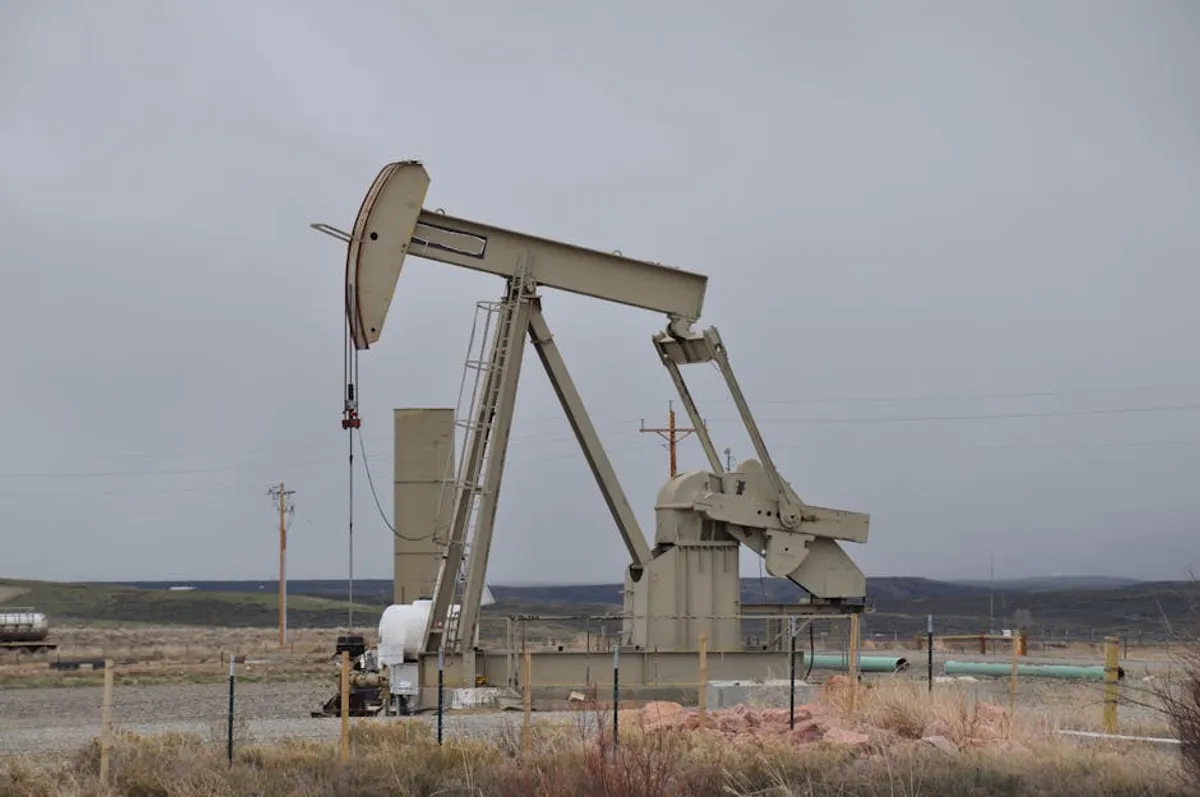
Oilfield services form the essential backbone of the global energy sector, encompassing a vast array of specialized operations, equipment, and expertise required to locate, extract, process, and maintain hydrocarbon resources. These services are not merely supplementary; they are integral to the entire lifecycle of oil and gas production, from initial exploration through to well abandonment. For businesses operating within or adjacent to the energy industry, comprehending the scope, complexity, and commercial drivers of oilfield services is crucial for strategic planning, investment decisions, and operational efficiency. Understanding these specialized functions allows stakeholders to identify opportunities, mitigate risks, and navigate the capital-intensive landscape of energy production.
Upstream Oilfield Services: Exploration and Production
Upstream services focus on the initial stages of the oil and gas lifecycle: exploration and production. This segment demands highly specialized geological, engineering, and drilling capabilities to identify and access subsurface hydrocarbon reservoirs.
Geophysical and Geological Services
Before any drilling commences, geophysical and geological services are deployed to analyze subsurface formations. This involves seismic surveys, which use sound waves to create detailed images of underground structures, and geological mapping, which interprets rock samples and data to assess reservoir potential. The accuracy of these services directly impacts drilling success rates and overall project viability, reducing the financial risk associated with exploration.
Drilling and Well Construction
Once a viable reservoir is identified, drilling services commence. This includes the deployment of drilling rigs, specialized bits, and fluids to bore wells into the earth. Well construction involves installing casing and cementing to secure the wellbore, prevent contamination, and manage pressure. The efficiency and safety of drilling operations are paramount, influencing project timelines and operational costs. Advanced drilling techniques, such as horizontal drilling and hydraulic fracturing, fall under this category, enabling access to unconventional resources.
Well Completion and Intervention
After drilling, well completion services prepare the well for production. This involves installing production tubing, packers, and various downhole tools to control the flow of hydrocarbons. Well intervention services are then employed throughout the life of the well to optimize production, perform maintenance, or address issues like declining pressure or equipment failure. These services include wireline operations, coiled tubing, and workovers, all designed to maximize recovery and extend the economic life of a well.
Midstream and Downstream Support Services
While often associated with upstream activities, oilfield services also extend into the midstream (transportation and storage) and downstream (refining and processing) sectors, primarily through maintenance, inspection, and specialized operational support.
Pipeline and Infrastructure Maintenance
Midstream operations rely heavily on extensive pipeline networks and storage facilities. Oilfield service providers offer specialized inspection, maintenance, and repair services for this critical infrastructure. This includes integrity management, corrosion control, leak detection, and pigging operations to ensure the safe and efficient transport of oil and gas. The reliability of these services directly impacts supply chain stability and environmental compliance.
Asset Integrity and Specialized Cleaning
In both midstream and downstream facilities, maintaining asset integrity is crucial. This involves non-destructive testing (NDT), predictive maintenance, and specialized cleaning services for tanks, vessels, and processing units. These services prevent equipment failure, extend asset lifespan, and ensure operational continuity, which is vital for refineries and petrochemical plants where downtime can result in significant financial losses.
Cross-Cutting Support and Auxiliary Services
Beyond the core operational stages, a range of support and auxiliary services are indispensable across the entire oilfield lifecycle. These services ensure operations are safe, compliant, and logistically sound.
- Logistics and Supply Chain Management: Managing the transport of heavy equipment, materials, and personnel to often remote and challenging locations. This includes specialized freight, warehousing, and inventory control.
- Environmental Services: Waste management, spill response, remediation, and environmental impact assessments. These services are critical for regulatory compliance and reputation management.
- Safety and Industrial Services: Providing safety equipment, training, emergency response planning, and industrial hygiene services to protect workers and assets in hazardous environments.
- Equipment Rental and Maintenance: Supplying and maintaining a vast array of specialized machinery, from pumps and compressors to power generation units and drilling tools.
- Staffing and Technical Consulting: Providing skilled labor, technical experts, and engineering consultants to support complex projects and operations.
Pro Tip: Businesses engaging with oilfield services must prioritize providers with a demonstrated track record in safety performance and regulatory compliance. Non-compliance or safety incidents can lead to severe financial penalties, operational shutdowns, and lasting reputational damage, far outweighing any short-term cost savings from less stringent providers.
Strategic Considerations for Engaging Oilfield Services
For any entity considering or providing oilfield services, several strategic factors dictate success and sustainability. The capital-intensive nature of the industry, coupled with its exposure to volatile commodity prices and stringent environmental regulations, necessitates a robust and adaptable service framework.
Decision-makers must evaluate service providers based on their technological capabilities, their adherence to international safety standards (e.g., ISO 45001), and their capacity for innovation, particularly in areas like digitalization and automation. The ability to integrate advanced data analytics for predictive maintenance or optimize drilling paths can yield significant operational efficiencies and cost reductions over a project's lifespan. Furthermore, the global nature of the industry often requires service providers with extensive international experience and the logistical capacity to operate in diverse geopolitical and environmental conditions.
Optimizing Operations Through Service Integration
Optimizing oilfield operations increasingly involves a move towards integrated service models. Instead of contracting multiple individual service providers, operators often seek partners who can deliver a suite of services, from drilling to well completion and ongoing maintenance. This integration streamlines project management, reduces interface risks, and can lead to greater efficiencies and cost control. The strategic selection of such integrated service partners becomes a critical determinant of project success, demanding thorough due diligence on their full scope of capabilities, financial stability, and commitment to long-term collaboration.
Navigating the Oilfield Services Landscape
The oilfield services sector is dynamic, driven by technological advancements, market demand, and evolving regulatory frameworks. A comprehensive understanding of these services is not just for direct industry participants but also for investors, policymakers, and ancillary businesses. Recognizing the specialized nature of each service, from subsurface imaging to complex well interventions, allows for more informed decision-making regarding resource allocation, risk management, and the identification of commercially viable opportunities within the energy value chain.
Frequently Asked Questions
What is the primary distinction between upstream and downstream oilfield services?
Upstream oilfield services focus on the exploration and extraction of crude oil and natural gas from the earth, including drilling, well completion, and production optimization. Downstream services, conversely, relate to the refining, processing, and marketing of petroleum products, often involving maintenance and integrity services for refineries and petrochemical plants.
Why are specialized oilfield services necessary for energy production?
Energy production requires highly specialized knowledge, equipment, and techniques to safely and efficiently access and manage complex subsurface reservoirs, transport hydrocarbons, and process them into usable products. These services mitigate risks, optimize recovery rates, ensure environmental compliance, and maintain critical infrastructure.
How do environmental regulations impact oilfield services?
Environmental regulations significantly influence oilfield services by imposing strict requirements on waste management, emissions control, water usage, and spill prevention. Service providers must invest in environmentally sound technologies and practices, conduct impact assessments, and ensure compliance to avoid penalties and maintain operational licenses.
What are some emerging trends in the oilfield services sector?
Emerging trends include increased digitalization and automation for enhanced efficiency and safety, greater adoption of renewable energy solutions within oilfield operations, and a growing focus on carbon capture, utilization, and storage (CCUS) services to reduce the industry's environmental footprint.