
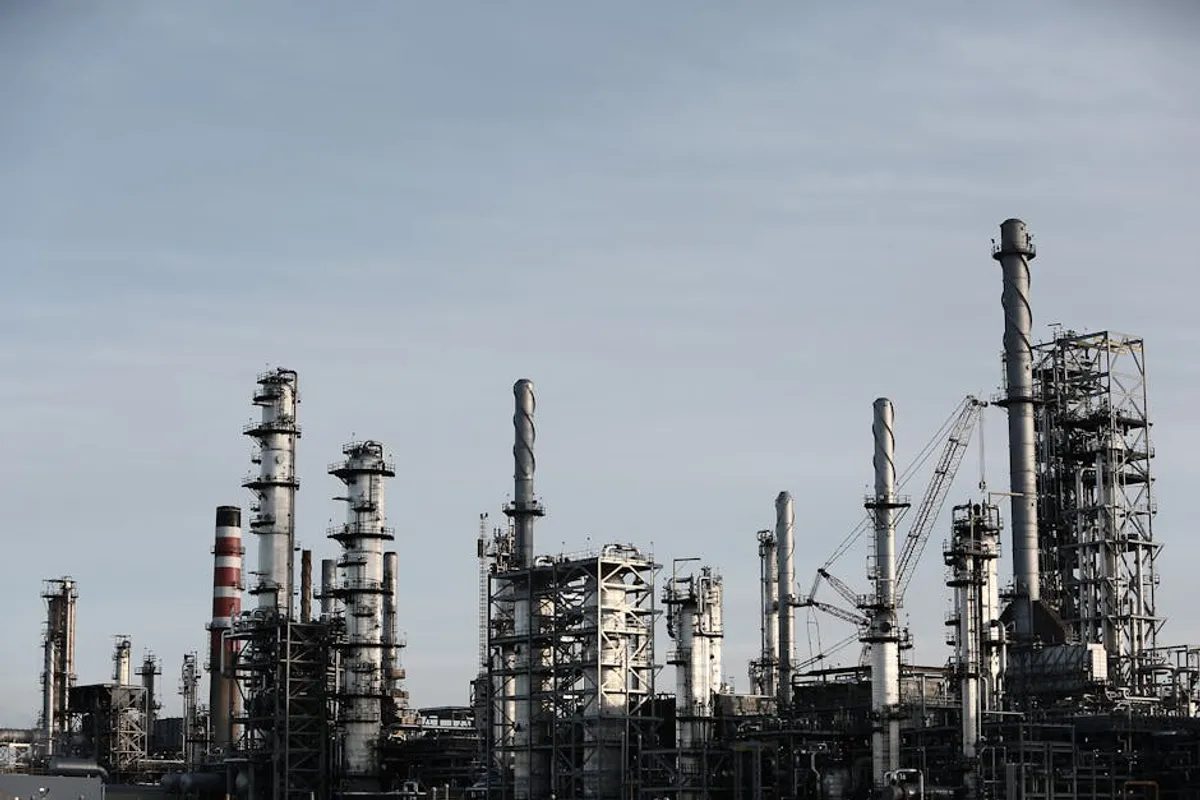
Oil and Gas Business Opportunities Explained
The oil and gas industry, a foundational pillar of global energy, presents a complex yet persistent landscape for business opportunities. While often perceived as a realm of established giants, the sector continually generates new avenues for investment, innovation, and service provision across its value chain. Understanding these opportunities requires navigating significant capital demands, evolving regulatory environments, and the accelerating energy transition. This explanation outlines the primary operational segments, highlights emerging niches, and details critical considerations for those looking to engage with this dynamic market.
Traditional Sector Opportunities
Upstream: Exploration and Production
The upstream sector, often termed Exploration & Production (E&P), involves the search for underground or underwater crude oil and natural gas fields, followed by drilling and extraction. This segment is capital-intensive and carries high geological and operational risks, yet it offers substantial returns when successful. Opportunities here include:
- Geophysical Services: Conducting seismic surveys and data analysis to identify potential reserves, requiring specialized equipment and expert interpretation.
- Drilling Operations: Providing drilling rigs, equipment, and personnel for both conventional and unconventional wells, including directional drilling, hydraulic fracturing, and well completion.
- Reservoir Management: Utilizing advanced analytics and simulation software to optimize production from existing fields, enhance recovery rates, and extend field life.
- Leasing & Acquisition: Investing in or acquiring exploration licenses and producing assets, often involving significant due diligence on reserve estimates and regulatory compliance.
Midstream: Transportation and Storage
The midstream sector links production sites to refineries and consumption centers through transportation and storage infrastructure. Characterized by long-term assets, this segment often provides stable, regulated revenue streams.
- Pipeline Development & Operation: Constructing and managing crude oil, natural gas, and refined product pipelines, requiring extensive engineering and regulatory approvals.
- Liquefied Natural Gas (LNG) Facilities: Building and operating liquefaction plants, regasification terminals, and LNG carriers for international gas trade.
- Storage Facilities: Developing and managing crude oil tanks, natural gas caverns, and refined product terminals, crucial for market balancing and supply chain resilience.
- Processing Plants: Operating gas processing plants that remove impurities and separate natural gas liquids (NGLs) from raw natural gas, adding value before transportation.
Downstream: Refining and Marketing
The downstream sector transforms crude oil and natural gas into marketable products and distributes them to end-users. This segment is sensitive to consumer demand, product specifications, and environmental regulations.
- Refining Operations: Owning or investing in refineries that process crude oil into gasoline, diesel, jet fuel, lubricants, and other petroleum products, with modern facilities focusing on efficiency.
- Petrochemical Production: Producing chemicals derived from petroleum or natural gas, such as plastics, fertilizers, and synthetic fibers – a high-value segment.
- Retail & Distribution Networks: Operating fuel stations, bulk distribution terminals, and logistics for delivering refined products to commercial and industrial customers.
- Specialty Products: Developing and marketing niche products like asphalt, waxes, and specialized industrial oils, often requiring specific formulations.
Emerging and Niche Opportunities
Oilfield Services and Equipment
Beyond direct E&P, a robust ecosystem of support services is essential, providing specialized equipment, technology, and personnel to the upstream sector.
- Drilling & Completion Services: Companies specializing in complex drilling techniques, well cementing, and hydraulic fracturing services.
- Equipment Manufacturing & Rental: Producing and renting out drilling rigs, pumps, valves, and other essential oilfield machinery.
- Maintenance, Repair, and Overhaul (MRO): Providing ongoing maintenance, repair, and inspection services for infrastructure across all sectors, ensuring operational integrity.
- Logistics & Supply Chain Management: Managing the complex movement of equipment, materials, and personnel to remote operating sites, often in challenging environments.
Technology and Digital Transformation
The industry increasingly adopts advanced technologies to improve efficiency, reduce costs, and enhance safety.
- Advanced Analytics & AI: Developing software and platforms for predictive maintenance, optimizing drilling paths, reservoir modeling, and market forecasting.
- Internet of Things (IoT) & Sensors: Deploying smart sensors for real-time monitoring of pipelines, wells, and equipment, enabling proactive maintenance and leak detection.
- Robotics & Automation: Implementing robotic solutions for hazardous tasks, inspection, and autonomous operations in remote or dangerous environments.
- Cybersecurity Solutions: Protecting critical infrastructure and proprietary data from sophisticated cyber threats.
Energy Transition and ESG Services
As the global energy landscape evolves, new opportunities arise from the industry's push towards sustainability and reduced emissions.
- Carbon Capture, Utilization, and Storage (CCUS): Developing and implementing technologies to capture CO2 emissions, transport, and store or utilize them, leveraging existing geological expertise.
- Methane Emission Reduction: Providing solutions to detect, measure, and reduce methane leaks from natural gas infrastructure, a key focus for environmental compliance.
- Green Hydrogen Production: Utilizing natural gas with CCUS for 'blue hydrogen,' or leveraging existing infrastructure for 'green hydrogen' from renewables.
- ESG Consulting & Reporting: Assisting companies in developing and implementing environmental, social, and governance strategies, ensuring compliance and transparent reporting.
Critical Investment Considerations
Pro Tip: Due diligence