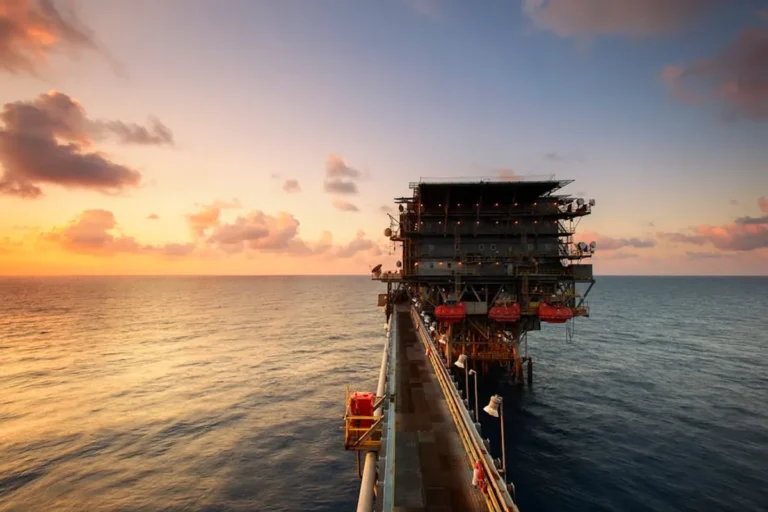

Understanding how fluctuations in oil prices impact business operations is critical for strategic planning and maintaining profitability. The cost of crude oil, a foundational global commodity, ripples through nearly every sector, influencing everything from raw material expenses and transportation logistics to consumer purchasing power and investment decisions. For businesses, these price changes are not merely abstract economic indicators; they represent direct shifts in operational costs, market demand, and competitive landscapes. Proactive analysis of these dynamics allows companies to anticipate challenges, identify opportunities, and implement adaptive strategies rather than reactively absorb shocks.
Direct Operational Cost Pressures
The most immediate and tangible effect of oil price shifts manifests in a business's direct operational expenditures. These costs can erode profit margins rapidly if not managed strategically.
Fuel for Transport and Logistics
For any business involved in manufacturing, distribution, or service delivery that requires physical movement of goods or personnel, fuel is a primary variable cost. Higher oil prices translate directly into increased expenses for:
- Freight and Shipping: Trucking, air cargo, and maritime transport costs escalate, impacting both inbound raw materials and outbound finished products. This affects lead times and inventory holding costs as businesses may adjust shipping frequencies or modes.
- Fleet Operations: Companies operating their own delivery vehicles, service fleets, or sales teams face higher fuel bills, increasing the cost of doing business and potentially requiring adjustments to service areas or pricing models.
- Travel Expenses: Business travel, whether for sales, client meetings, or conferences, becomes more expensive due to higher airfares and ground transportation costs.
Energy for Manufacturing and Operations
Beyond transportation, many industrial processes are energy-intensive, relying on electricity often generated from fossil fuels, or directly on petroleum products. Factories, data centers, and large commercial buildings face increased utility bills when oil prices rise, impacting their overall cost structure. This can lead to decisions about energy efficiency investments or, in some cases, a reduction in production output to manage costs.
Raw Material Costs (Petrochemicals)
A significant, often underestimated, impact comes from the petrochemical industry. Oil is a fundamental feedstock for a vast array of products, including plastics, fertilizers, synthetic fibers, and many chemicals. Businesses that rely on these materials for their products – from packaging manufacturers and agricultural producers to apparel brands and pharmaceutical companies – will see their raw material costs rise with oil prices. This directly affects product pricing, competitive positioning, and supply chain stability.
Supply Chain and Demand-Side Implications
Oil price changes extend beyond direct costs, influencing the broader economic environment and consumer behavior.
Supply Chain Volatility and Resilience
Increased transportation costs can introduce volatility into global supply chains. Businesses may experience longer lead times, higher freight surcharges, and pressure from suppliers to absorb increased costs. This prompts a re-evaluation of supply chain resilience, potentially encouraging reshoring or nearshoring efforts to reduce logistical dependencies and costs, or diversification of suppliers to mitigate risk.
Pro Tip: Businesses should conduct a comprehensive supply chain mapping exercise to identify all direct and indirect dependencies on petroleum-derived products and transportation. Understanding these linkages allows for proactive risk assessment and the development of contingency plans, such as negotiating fixed-price freight contracts or exploring alternative materials.
Consumer Spending and Market Demand
When oil prices rise, consumers face higher costs at the pump and for heating, which reduces their disposable income. This shift in spending power can lead to:
- Reduced Discretionary Spending: Non-essential goods and services, such as dining out, entertainment, travel, and luxury items, often see a decline in demand. Retailers and hospitality businesses are particularly vulnerable to these shifts.
- Inflationary Pressures: Higher energy and transportation costs contribute to overall inflation, increasing the cost of living. This can lead to demands for higher wages, further impacting business operating costs and potentially creating a wage-price spiral.
- Shift in Purchasing Behavior: Consumers may become more price-sensitive, seeking out cheaper alternatives, delaying purchases, or prioritizing essential goods over non-essentials. This necessitates adjustments in marketing, product development, and pricing strategies.
Sector-Specific Vulnerabilities and Opportunities
While oil price changes affect all businesses, certain sectors experience more pronounced impacts, both negative and, in some cases, positive.
Highly Vulnerable Sectors
- Transportation & Logistics: Airlines, trucking companies, and shipping lines face direct and significant increases in fuel expenses, often impacting profitability margins immediately.
- Manufacturing: Industries reliant on petrochemical feedstocks (plastics, chemicals, automotive parts) or energy-intensive production processes see substantial cost increases.
- Retail: Increased transportation costs for inventory and reduced consumer discretionary spending directly affect sales volumes and margins.
- Agriculture: Higher fuel costs for farm machinery and increased fertilizer prices (a petroleum derivative) drive up production costs, impacting food prices.
Sectors with Potential Opportunities
- Renewable Energy: Higher oil prices make alternative energy sources (solar, wind, biofuels) more competitive and attractive for investment, driving demand for related technologies and services.
- Energy Efficiency Solutions: Businesses offering insulation, smart thermostats, electric vehicles, or energy-saving industrial equipment often see increased interest as companies and consumers seek to reduce energy consumption.
- Public Transportation: As personal vehicle costs rise, public transit options may see increased ridership, presenting growth opportunities for operators and related infrastructure projects.
Strategic Adaptations for Businesses
Businesses can adopt several strategies to mitigate the negative impacts of oil price volatility and capitalize on emerging opportunities.
Enhancing Operational Efficiency
Investing in energy-efficient technologies, optimizing logistics routes, and improving fleet fuel economy can directly reduce operational costs. This includes adopting lean manufacturing principles to minimize waste and energy consumption, or transitioning to renewable energy sources for facility power.
Diversifying Supply Chains and Inputs
Reducing reliance on single suppliers or regions, and exploring alternative raw materials that are less sensitive to oil price fluctuations, can build resilience. For example, a packaging company might investigate bio-based plastics instead of petroleum-derived ones.
Dynamic Pricing and Hedging Strategies
Implementing flexible pricing models that can adjust to fluctuating input costs is crucial. Larger businesses might engage in hedging strategies, such as purchasing oil futures contracts, to lock in future fuel or raw material prices and reduce exposure to market volatility.
Focusing on Value and Innovation
In periods of reduced consumer spending, emphasizing the long-term value, durability, or unique benefits of products can help maintain demand. Innovation in product design, service delivery, or business models can also create differentiation that justifies pricing, even in a cost-conscious market.
Navigating Future Volatility
Oil price changes are an inherent part of the global economic landscape. Businesses that proactively monitor geopolitical events, global supply and demand dynamics, and technological advancements in energy will be better positioned to adapt. This involves integrating energy cost forecasts into financial planning, conducting regular scenario analyses, and fostering a culture of continuous operational improvement and strategic flexibility. The goal is not to eliminate exposure entirely, but to build an organization resilient enough to navigate price swings with minimal disruption and maximum strategic advantage.
Frequently Asked Questions
How do oil prices affect inflation?
Higher oil prices directly contribute to inflation by increasing the cost of production and transportation for nearly all goods and services. This "cost-push" inflation reduces purchasing power and can lead to broader economic slowdowns as consumers and businesses reduce spending.
Which industries are most sensitive to oil price changes?
Industries with high fuel consumption (airlines, trucking, shipping), those heavily reliant on petrochemical feedstocks (plastics, chemicals, agriculture), and sectors sensitive to consumer discretionary spending (retail, hospitality) are typically the most sensitive.
Can businesses truly insulate themselves from oil price volatility?
Complete insulation is challenging due to oil's pervasive role in the global economy. However, businesses can significantly mitigate risks through strategies like operational efficiency improvements, supply chain diversification, hedging, and investing in alternative energy sources or materials less tied to petroleum.
What are some leading indicators for future oil price movements?
Key indicators include global economic growth forecasts (demand), geopolitical stability in major oil-producing regions (supply), OPEC+ production decisions, changes in global oil inventories, and the strength of the U.S. dollar, as oil is typically priced in dollars.