
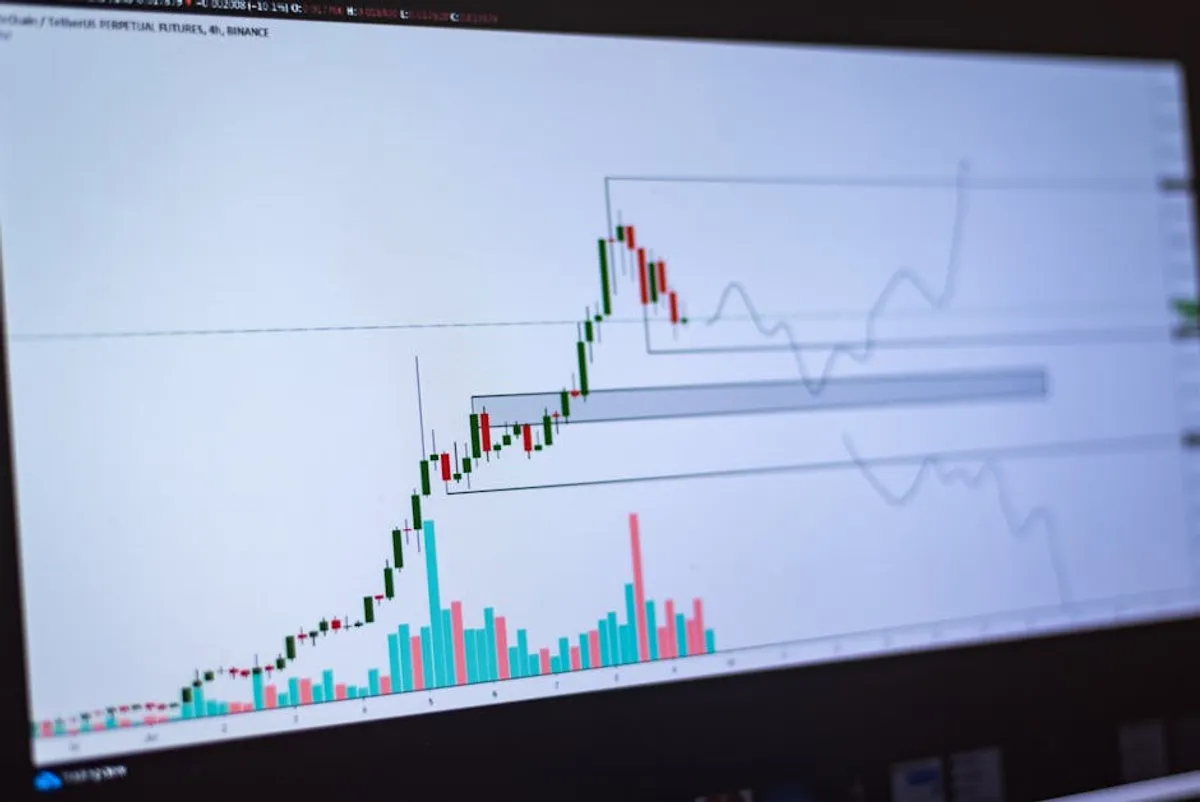
The FTSE 100 index serves as a primary benchmark for the UK equity market, representing the 100 largest UK-listed companies by market capitalization. For investors, analysts, and economic observers, understanding its dynamics—from its pricing mechanisms to its future trajectory, inherent risks, and responsive market signals—is crucial for assessing economic health and guiding strategic decisions. This analysis provides a structured overview of these critical components, offering a framework for interpreting the index's movements and implications. Understanding the FTSE 100 index provides critical insights into the broader UK economic landscape and investor sentiment.
Understanding FTSE 100 Composition and Valuation
The FTSE 100 is a market-capitalization-weighted index, meaning companies with larger market values exert a greater influence on the index's overall movement. Its constituents are primarily multinational corporations, generating a significant portion of their revenues internationally. This global exposure means the index is not solely a reflection of the UK domestic economy but also sensitive to global economic trends and currency fluctuations.
The index's price is a real-time aggregate reflecting the share price movements of its 100 component companies. Changes in individual company valuations, driven by earnings reports, corporate actions, sector-specific news, or broader market sentiment, directly impact the index's value. Dividend payouts from constituent companies are not directly reflected in the headline price index but are captured in the FTSE 100 Total Return Index, which accounts for reinvested dividends.
Key Factors Influencing FTSE 100 Performance
The FTSE 100's performance is shaped by a confluence of macroeconomic, geopolitical, and corporate-specific factors:
- Economic Indicators: GDP growth, inflation rates, and interest rate decisions from the Bank of England directly impact corporate profitability and investor sentiment. Higher interest rates, for instance, can increase borrowing costs for companies and make equity investments less attractive compared to bonds.
- Global Economic Health: Given the international revenue streams of many FTSE 100 companies, global growth, trade relations, and commodity prices (especially oil and mining products) significantly influence their performance and, by extension, the index.
- Currency Fluctuations: A weaker British Pound (GBP) can boost the earnings of FTSE 100 companies that generate revenue in foreign currencies, as these earnings translate into more GBP. Conversely, a stronger GBP can have the opposite effect.
- Sectoral Exposure: The index has significant weightings in financials, energy, and mining sectors. Performance in these sectors, driven by global commodity prices or financial market conditions, disproportionately affects the FTSE 100.
- Political Stability: Domestic political developments, government policies, and regulatory changes can create uncertainty or opportunity, influencing investor confidence and corporate investment decisions.
Identifying Risks to the FTSE 100 Outlook
While the FTSE 100 offers exposure to established global companies, it is subject to various risks that can impact its outlook:
- Recessionary Pressures: A significant slowdown in the UK or global economy would reduce corporate earnings, leading to downward pressure on share prices.
- Inflationary Persistence: Sustained high inflation can erode consumer purchasing power, increase operational costs for businesses, and prompt central banks to maintain restrictive monetary policies, dampening economic activity.
- Geopolitical Instability: International conflicts, trade wars, or significant political shifts can disrupt supply chains, increase commodity prices, and create widespread market uncertainty, affecting globally exposed companies.
- Regulatory Changes: New regulations in key sectors (e.g., financial services, energy) can impose additional costs or restrict business models, impacting profitability.
- Interest Rate Hikes: Aggressive interest rate increases by the Bank of England or other major central banks can make borrowing more expensive, reduce consumer spending, and divert investment from equities to fixed-income assets.
Pro Tip: When evaluating the FTSE 100's outlook, consider not just the headline economic data but also the forward guidance from central banks and the sentiment expressed in corporate earnings calls. These often provide clearer indications of future policy direction and business conditions than lagging indicators alone.
Interpreting Market Signals for the FTSE 100
Market participants monitor specific signals to gauge the FTSE 100's potential direction:
- Corporate Earnings Reports: Quarterly and annual earnings releases from major constituent companies provide direct insight into financial health and future guidance. Positive surprises or strong outlooks can boost the index.
- Central Bank Communications: Statements and minutes from the Bank of England's Monetary Policy Committee (MPC) are closely watched for clues on interest rate policy, quantitative easing/tightening, and economic forecasts.
- Purchasing Managers' Index (PMI) Data: PMIs for manufacturing and services sectors offer forward-looking indicators of economic activity. A reading above 50 generally indicates expansion, while below 50 suggests contraction.
- Consumer Confidence Surveys: These surveys reflect household sentiment regarding economic conditions and spending intentions, which can predict future consumer demand.
- Bond Yields: Movements in UK government bond (gilt) yields can signal expectations for inflation and interest rates. Rising yields can sometimes indicate economic strength but can also make equities less attractive.
- Commodity Prices: Given the significant weighting of energy and mining companies, fluctuations in crude oil, gas, and base metal prices are critical signals.
Navigating FTSE 100 Dynamics
Effective engagement with the FTSE 100 requires a comprehensive understanding of its constituent drivers and external influences. Its globalized nature means that domestic UK news, while important, often competes with international economic developments and geopolitical events for influence. The index's price reflects a complex interplay of corporate performance, investor sentiment, and macro-financial conditions.
Monitoring the identified risk factors and market signals provides a framework for anticipating potential shifts. A holistic approach, which integrates fundamental economic analysis with an awareness of sector-specific trends and global events, is essential for interpreting the FTSE 100's movements and forming informed perspectives on its trajectory.
Frequently Asked Questions
What is the primary difference between the FTSE 100 and the FTSE 250?
The FTSE 100 comprises the 100 largest UK-listed companies by market capitalization, often with significant international operations. The FTSE 250 includes the next 250 largest companies, generally considered more exposed to the UK domestic economy.
How often are the companies in the FTSE 100 reviewed?
The constituents of the FTSE 100 index are reviewed quarterly, typically in March, June, September, and December. Companies can be added or removed based on their market capitalization relative to other eligible firms.
Does the FTSE 100 include companies from outside the UK?
The FTSE 100 includes companies listed on the London Stock Exchange, but many of these are multinational corporations with substantial operations and revenues generated globally, not solely within the UK.
Why is the FTSE 100 often seen as a barometer for the UK economy?
While many FTSE 100 companies have international exposure, their collective performance, especially those with significant domestic operations, provides a strong indication of overall economic health, investor confidence, and corporate sentiment within the UK market.