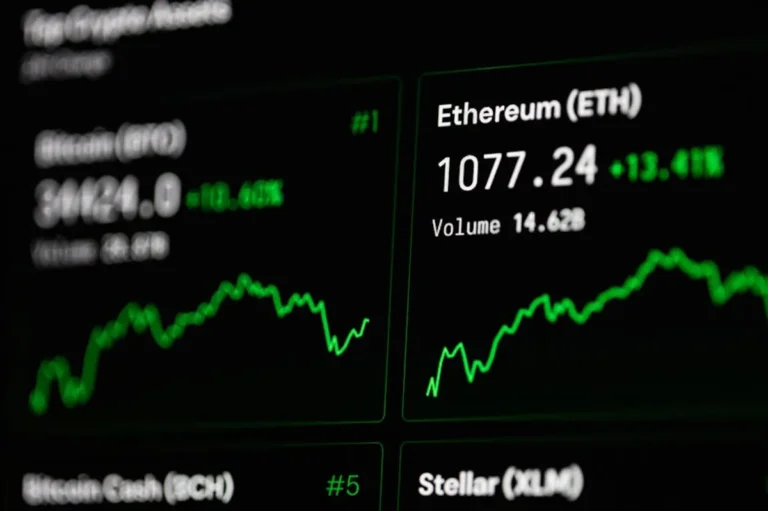
Understanding the price dynamics of Ethereum (ETH) requires navigating a complex interplay of technological advancements, market sentiment, and macroeconomic forces. For any professional evaluating digital asset exposure, or simply monitoring broader financial trends, ETH's valuation serves as a critical barometer. Its price movements are not isolated events but reflections of supply-demand shifts, network utility, and speculative interest. This analysis aims to dissect these components, providing a framework for interpreting ETH’s current standing, potential trajectory, and the inherent risks that shape its market behavior.
Immediate Price Drivers and Market Structure
ETH’s daily price fluctuations stem from a combination of real-time trading activity and underlying structural elements. The asset operates within a 24/7 global market, influenced by liquidity, order book depth, and arbitrage opportunities across numerous exchanges.
Supply-Side Mechanics
The Ethereum network's transition to Proof-of-Stake (the Merge) introduced significant changes to ETH’s supply. The EIP-1559 upgrade, implemented prior to the Merge, introduced a base fee burning mechanism, reducing the net issuance of ETH. When network activity is high, more ETH is burned, potentially leading to deflationary periods. Additionally, a substantial portion of ETH is locked in staking contracts, removing it from active circulation and reducing available supply for trading.
- Staking: Over 25% of total ETH supply is staked, contributing to network security and earning rewards, but also reducing liquid supply.
- EIP-1559 Burn: A portion of every transaction fee is burned, directly impacting the supply curve, especially during periods of high network utilization.
- Issuance Rate: Post-Merge, new ETH issuance is significantly lower than under Proof-of-Work, often leading to net deflationary periods when burn rates exceed new issuance.
Demand-Side Pressures
Demand for ETH is driven by its utility as gas for transactions, its role in decentralized finance (DeFi) and non-fungible tokens (NFTs), and its status as a store of value. Institutional adoption, including spot ETF applications and approvals in various jurisdictions, also signals growing demand from traditional financial markets.
Outlook: Short-term Volatility and Long-term Catalysts
Predicting ETH’s price trajectory involves distinguishing between transient market noise and fundamental shifts. Short-term movements are often reactive, while long-term outlooks hinge on network development and broader adoption.
Short-term Influences
Immediate price action is frequently dictated by news events, technical analysis patterns, and overall market sentiment. Regulatory announcements, major exchange listings, or even high-profile hacks can trigger rapid price swings. Traders often rely on technical indicators such as moving averages, Bollinger Bands, and support/resistance levels to gauge potential short-term directions.
Long-term Growth Catalysts
The long-term outlook for ETH is intrinsically linked to the continued development and adoption of the Ethereum network. Key catalysts include:
Network Upgrades: Ongoing improvements, such as the Dencun upgrade and future scaling solutions like sharding, aim to enhance transaction throughput and reduce costs, making the network more accessible and efficient for a wider range of applications.
Decentralized Application (dApp) Ecosystem Growth: The expansion of DeFi protocols, NFT marketplaces, and Web3 gaming built on Ethereum drives demand for ETH as the native asset for transactions and collateral. Increased utility directly translates to increased demand.
Institutional Adoption: As more financial institutions explore and integrate blockchain technology, Ethereum often serves as a foundational layer. The development of regulated investment products (e.g., ETFs) provides accessible avenues for traditional investors to gain exposure.
Key Risks to ETH Price Stability
Despite its potential, ETH is subject to several significant risks that can impact its price and long-term viability. A comprehensive assessment requires acknowledging these potential headwinds.
Regulatory Uncertainty
Governments worldwide are still developing frameworks for digital assets. Ambiguous or restrictive regulations, particularly regarding ETH's classification as a security or commodity, could introduce significant market volatility and hinder institutional participation. Enforcement actions against crypto entities also create broad market fear.
Competition from Other Layer 1 Blockchains
Ethereum faces competition from alternative Layer 1 networks (e.g., Solana, Avalanche, BNB Chain) that offer different trade-offs in terms of scalability, transaction costs, and decentralization. While Ethereum maintains a dominant position in terms of developer activity and total value locked (TVL), sustained competition could fragment market share and dilute demand for ETH.
Technological and Security Risks
While robust, the Ethereum network is not immune to potential technological vulnerabilities. Bugs in smart contracts, network congestion, or unforeseen issues during major upgrades could lead to significant disruptions and erode user confidence. Furthermore, increasing centralization concerns post-Merge, particularly regarding validator distribution, present a long-term risk to the network's core ethos.
Pro Tip: When evaluating ETH's price and outlook, prioritize understanding the long-term implications of network upgrades and regulatory shifts over short-term news cycles. Fundamental utility and adoption trends typically dictate sustained value, while daily fluctuations often reflect speculative sentiment.
Interpreting Market Signals for Informed Decisions
Beyond price charts, a wealth of data provides deeper insights into ETH's market health and potential direction. Analyzing these signals helps differentiate between genuine trends and temporary noise.
On-chain Metrics
These data points, directly from the Ethereum blockchain, offer transparency into network activity:
- Active Addresses: Indicates user engagement and network utility. A rising number suggests growing adoption.
- Transaction Volume: Measures the total value of ETH transferred, reflecting economic activity on the network.
- Gas Fees: High gas fees often signal network congestion and high demand for block space, which can be a double-edged sword: indicating utility but also deterring users.
- Exchange Balances: A decrease in ETH held on exchanges can suggest accumulation or staking, reducing sell-side pressure. An increase might signal intent to sell.
Derivatives Market Data
Futures and options markets provide insights into institutional and speculative sentiment:
- Futures Open Interest: The total number of outstanding futures contracts; rising open interest with rising prices can indicate strong bullish conviction.
- Funding Rates: In perpetual futures, positive funding rates imply long positions are dominant and paying shorts, indicating bullish sentiment. Negative rates suggest bearish sentiment.
- Options Implied Volatility: Higher implied volatility suggests traders expect larger price swings, often preceding significant news or market events.
Broader Market and Social Sentiment
Monitoring sentiment across traditional and social media can offer qualitative insights:
- News Flow: Major announcements from developers, regulators, or large corporations can shift sentiment rapidly.
- Social Media Trends: While susceptible to hype, widespread discussion on platforms can signal emerging narratives or shifts in retail interest.
- Fear & Greed Index: Aggregates various market factors to provide a gauge of overall investor sentiment, helping to identify extremes of fear or euphoria.
Navigating the ETH Market Landscape
ETH's price is a dynamic reflection of its technological utility, market demand, and the broader financial environment. A holistic understanding requires continuous monitoring of both fundamental network developments and external market signals. For professionals, this means moving beyond simple price observation to interpret the underlying drivers, assess inherent risks, and position strategies with a clear, data-driven perspective. The Ethereum ecosystem is constantly evolving, demanding an adaptive and informed approach to its valuation.
Frequently Asked Questions
What factors most influence ETH's price?
ETH's price is primarily influenced by its utility within the Ethereum network (gas for transactions, staking), supply-side mechanics (EIP-1559 burn, staking lock-ups), macroeconomic conditions (inflation, interest rates), and market sentiment driven by news, regulatory developments, and institutional adoption.
How do Ethereum network upgrades affect ETH's value?
Network upgrades, such as the Merge or Dencun, aim to improve scalability, security, and efficiency. Successful upgrades can increase network utility and adoption, reducing supply through burning mechanisms and attracting more users and developers, which generally has a positive impact on ETH's long-term value. However, risks during implementation can also introduce short-term volatility.
Is Ethereum a good long-term investment?
Evaluating ETH as a long-term investment involves considering its foundational role in the decentralized web, its robust developer ecosystem, and ongoing technological advancements. While it carries inherent risks associated with regulatory uncertainty and competition, its established network effect and continuous innovation are often cited as strong long-term growth drivers by proponents.