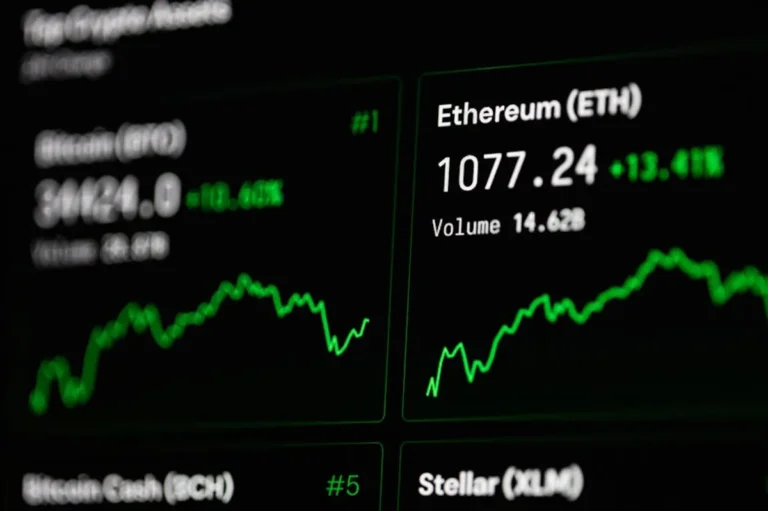

Bitcoin's persistent volatility and rapid price movements demand a clear understanding for anyone operating within or adjacent to the digital asset space. For marketers, site owners, agencies, and SEO professionals, comprehending its current price, future outlook, inherent risks, and underlying market signals is not merely about investment; it's about identifying content opportunities, assessing market sentiment for client strategies, and understanding the broader digital economy. This guide outlines the core elements influencing Bitcoin's value today, providing a framework for interpreting its complex market.
Current Bitcoin Price Dynamics
Bitcoin's price is a real-time reflection of supply and demand across global exchanges, influenced by a confluence of factors that can shift rapidly. Unlike traditional equities, Bitcoin trades 24/7, leading to heightened sensitivity to news, geopolitical events, and macroeconomic data. The "today" in Bitcoin's price is a snapshot, often subject to significant intra-day swings. Key drivers for immediate price action include large institutional buy/sell orders, significant liquidation events in the derivatives market, and immediate reactions to major regulatory announcements or technological breakthroughs within the crypto ecosystem.
Understanding the current price involves looking beyond a single ticker value. It requires considering:
- Exchange Volume: Higher trading volume often indicates stronger conviction behind price movements.
- Order Book Depth: A deep order book with significant buy/sell orders near the current price can suggest more stability or resistance levels.
- Funding Rates: In the futures market, positive funding rates indicate more long positions (betting on price increase) are open, while negative rates suggest more short positions.
- Spot vs. Futures Premium: A significant premium of futures prices over spot prices can signal bullish sentiment, while a discount may suggest bearishness.
Key Influencers on Bitcoin's Outlook
Bitcoin's long-term trajectory is shaped by broader trends and fundamental developments, extending beyond daily trading fluctuations. These factors provide context for its potential growth or contraction.
Macroeconomic Environment
Bitcoin often acts as a hedge against inflation or a "safe haven" asset during economic uncertainty, similar to gold. When fiat currencies face devaluation or global economic stability is questioned, capital can flow into Bitcoin. Conversely, periods of aggressive monetary tightening, like interest rate hikes by central banks, can reduce liquidity in risk assets, including cryptocurrencies, leading to price pressure. Observing inflation rates, central bank policies, and global economic growth forecasts offers insight into Bitcoin's potential performance.
Institutional Adoption and Regulatory Landscape
The increasing involvement of institutional investors (e.g., hedge funds, asset managers, corporations) has a profound impact on Bitcoin's legitimacy and price. Products like spot Bitcoin ETFs offer regulated avenues for traditional investors, significantly expanding market access and liquidity. Regulatory clarity, or lack thereof, from major economies directly affects institutional comfort and market sentiment. Favorable regulations can unlock significant capital flows, while restrictive or uncertain frameworks can deter investment and innovation.
Technological Developments and Network Upgrades
Bitcoin's underlying technology continues to evolve. Upgrades like the Taproot soft fork improve privacy, efficiency, and smart contract capabilities, enhancing its utility. Developments in scaling solutions (e.g., Lightning Network) address transaction speed and cost, making Bitcoin more practical for everyday use. Continued innovation and robust network security reinforce Bitcoin's value proposition as a decentralized, censorship-resistant digital asset.
Pro Tip: When evaluating Bitcoin's outlook, differentiate between short-term noise and long-term fundamental shifts. Daily price action is often speculative, but sustained institutional interest, regulatory clarity, and network improvements are stronger indicators of enduring value and adoption.
Understanding Bitcoin's Risk Profile
Investing in or building around Bitcoin carries specific risks that demand careful consideration for both individuals and businesses.
Market Volatility and Liquidity
Bitcoin's price can experience extreme fluctuations, often dropping or surging by double-digit percentages in a single day. This volatility presents both opportunity and significant risk. While liquidity has improved with institutional involvement, large sell-offs can still trigger cascading effects, especially in the derivatives market. Businesses holding Bitcoin on their balance sheets must account for potential impairments, and those accepting Bitcoin for payments need robust conversion strategies to mitigate currency risk.
Regulatory Uncertainty
The global regulatory landscape for cryptocurrencies remains fragmented and evolving. Different jurisdictions have varying stances on Bitcoin's legal classification, taxation, and operational requirements for crypto businesses. This uncertainty poses compliance risks for companies operating internationally and can impact the availability of services or the legality of certain activities. Sudden regulatory shifts can trigger market instability.
Security Concerns and Exchange Risks
While the Bitcoin network itself is highly secure, holding Bitcoin carries risks related to custody and exchange platforms. Hacks, exploits, or operational failures at centralized exchanges can lead to significant losses for users. Private key management, hardware wallet security, and choosing reputable, audited platforms are critical for mitigating these risks. For businesses, implementing multi-signature wallets and robust internal security protocols is paramount.
Interpreting Market Signals for Bitcoin
Understanding Bitcoin's market signals goes beyond price charts, incorporating on-chain data, derivatives market activity, and broader sentiment indicators.
On-Chain Metrics
On-chain data provides transparent insights into the Bitcoin network's activity, offering a unique advantage over traditional markets. Key metrics include:
- Active Addresses: An increase suggests growing network usage and adoption.
- Transaction Volume: Higher volume indicates more economic activity on the blockchain.
- Miner Revenue: Reflects the health and security of the network, as miners are incentivized to secure transactions.
- HODL Waves/Coin Days Destroyed: These metrics track how long coins are held before moving, indicating long-term holder conviction or capitulation.
- Exchange Netflow: Net inflows to exchanges can signal selling pressure, while net outflows may suggest accumulation.
Derivatives Market Indicators
The Bitcoin derivatives market (futures, options, perpetual swaps) offers a glimpse into speculative sentiment and potential future price movements. Open interest, funding rates, and the put/call ratio on options markets can signal whether traders are leaning bullish or bearish and where significant liquidation levels might reside.
Sentiment Analysis
Social media trends, news sentiment, and public perception play a role in Bitcoin's price, particularly in a retail-driven market. Tools that analyze social media mentions, search trends, and news headlines can provide a real-time gauge of market psychology, though these are often lagging indicators and can be susceptible to manipulation.
Navigating Bitcoin's Market Landscape
For professionals in digital marketing, SEO, and business strategy, understanding Bitcoin's market is about more than just personal investment; it's about anticipating trends, advising clients, and identifying strategic opportunities. The interplay of macroeconomic forces, regulatory developments, and on-chain activity creates a dynamic environment. Staying informed on these core signals allows for more nuanced content creation, better client guidance on digital asset exposure, and a clearer perspective on the evolving digital economy. While volatility remains a constant, a data-driven approach to market signals provides a more robust framework for decision-making.
Frequently Asked Questions
What is the primary driver of Bitcoin's price volatility?
Bitcoin's price volatility stems primarily from its relatively smaller market capitalization compared to traditional assets, its 24/7 global trading, speculative interest, and the rapid dissemination of news and sentiment across decentralized platforms. Regulatory shifts and macroeconomic events also contribute significantly.
How do institutional investors impact Bitcoin's market?
Institutional investors bring significant capital, increased liquidity, and a degree of legitimacy to the Bitcoin market. Their participation, often through regulated products like ETFs, can reduce volatility in the long run by providing more stable demand, but their large-scale entries or exits can also trigger substantial price movements in the short term.
Are there reliable indicators for predicting Bitcoin's future price?
No single indicator reliably predicts Bitcoin's future price due to its complex and interconnected market dynamics. A comprehensive approach involves analyzing on-chain metrics (e.g., active addresses, exchange netflow), derivatives market data (e.g., funding rates, open interest), macroeconomic trends, and regulatory developments to form a probabilistic outlook.