Trade press basin rankings are mostly based on production volumes from previous quarters and analyst projections about future growth. Useful but doesn't answer the actual question for working people: where is the work?
Here are the 6 main US basins ranked by where you can actually find work in 2026, based on actual hiring activity, rig counts, and operator behavior.
1. Permian Basin (West Texas / SE New Mexico)
Where the work is: Still the dominant US basin by a substantial margin. Hiring is steady across most disciplines. Best chance of finding work in operations, drilling, completions, and field services.
Pay levels: Among the highest in US onshore. Skilled positions pay well above national medians.
What is good: Job security is real. Operators are committed to multi-year development plans. Infrastructure is mature.
What is hard: Cost of living in Midland/Odessa has not come down despite the slowdown of a few years ago. Housing remains expensive. The work is physically and mentally demanding.
Verdict: If you want oil and gas work and are willing to live in West Texas, the Permian is still the answer.
2. Marcellus / Utica (Pennsylvania, West Virginia, Ohio)
Where the work is: Natural gas operations are steady. Less drilling activity than the Permian but consistent maintenance and production work.
Pay levels: Lower than Permian for similar positions, but cost of living is also lower in most areas.
What is good: Work tends to be more conventional schedules than Permian. More established communities. Better access to East Coast for personal life.
What is hard: Some smaller operators have faced financial pressure. Career growth more limited than in oil-focused basins. Some politically charged anti-fracking sentiment locally.
Verdict: Solid choice if you specifically want natural gas work and prefer East Coast over Texas.
3. Bakken (North Dakota / Montana)
Where the work is: Reduced from peak years but still substantial activity. Williston is no longer the boom town it was, but operators continue steady work.
Pay levels: Premium pay due to remote location and harsh conditions. High when compared to other rural areas.
What is good: Work that exists is reliable. Less competition for positions than peak years. Genuine experience that translates to other basins.
What is hard: Winters are brutal. Remote location. Limited entertainment/family options. Some operators have left, reducing employer choice.
Verdict: Good for younger workers with no family commitments who want to build experience and bank money. Less attractive for long-term settling.
4. Eagle Ford (South Texas)
Where the work is: Steady but not growing. Mature basin with consistent production maintenance work.
Pay levels: Comparable to Permian for similar positions.
What is good: San Antonio area provides reasonable cost of living and family-friendly options. Mature operations mean more predictable schedules. Good infrastructure.
What is hard: Less drilling activity means fewer new project opportunities. Career trajectory is more limited than in growing basins.
Verdict: Good for established workers wanting stability over growth. Not where you build a career trajectory.
5. DJ Basin (Colorado)
Where the work is: Active but with significant regulatory complications. Operations continue but face permitting challenges.
Pay levels: Comparable to other major basins.
What is good: Denver and surrounding area are desirable places to live. High quality of life. Educated workforce.
What is hard: Regulatory environment is unpredictable. Some operators have reduced activity due to permitting difficulties. Anti-development local politics in some areas.
Verdict: Good if you want oil and gas work plus Colorado lifestyle. Career risk from regulatory environment is real.
6. Anadarko (Oklahoma)
Where the work is: Reduced significantly from peak. Some continued activity but diminished. Operators that remain are mostly maintenance-focused.
Pay levels: Lower than other major basins.
What is good: Cost of living in Oklahoma is reasonable. Established communities. Decent quality of life.
What is hard: The basin has structurally declined. Career opportunities are limited compared to Permian or Marcellus. Many operators have left.
Verdict: Skip if you have flexibility. Stay if you have established life there but plan for limited growth.
What about Gulf of Mexico offshore?
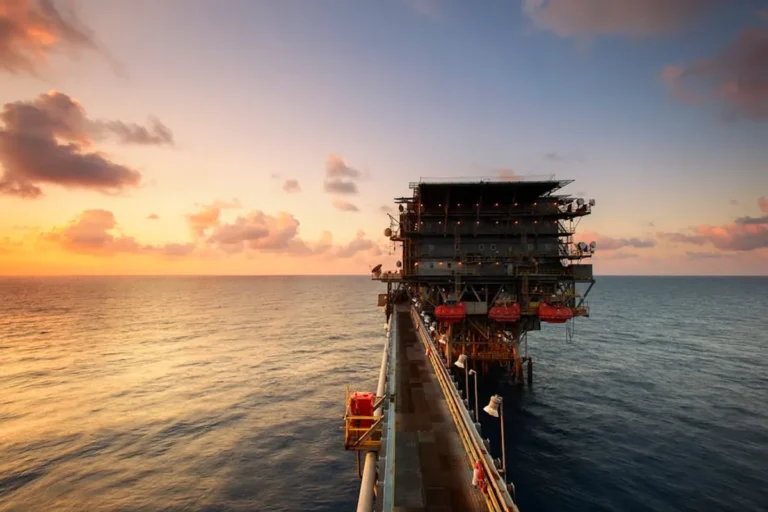
Different category. Offshore work has its own dynamics — different schedules, higher pay, specialized skill sets. Activity is steady but smaller workforce overall. Worth considering for specific career paths but not really comparable to onshore basins.
The factors that matter most for basin selection
Beyond simple work availability, consider:
Cost of living impact on actual income. Permian wages minus Permian housing costs can be similar to lower-pay basins with cheaper living.
Family considerations. Some basins are easier to settle families in than others. Permian and Bakken are harder for family life than Eagle Ford or DJ.
Operator stability. Working for a major operator differs from working for a struggling smaller operator. Research the specific employers, not just the basin.
Career trajectory potential. Active growing basins offer better long-term career development than declining ones.
Personal preferences. The work is the work, but daily life varies enormously across basins. Visit before committing.
The honest current snapshot
The industry hiring picture in 2026:
- Permian: hiring steady, high pay, demanding lifestyle
- Marcellus: hiring steady, moderate pay, more livable
- Bakken: hiring reduced, premium pay, remote
- Eagle Ford: hiring steady but limited growth
- DJ: hiring impacted by regulation
- Anadarko: declining
- Offshore: specialized but steady
What I would do
If I were starting over in oil and gas right now:
Single, no family: Permian for 5-7 years to build skills and bank money. Move elsewhere if quality of life becomes priority.
Family with young kids: Eagle Ford or Marcellus depending on regional preference. Less premium pay but more livable.
Mid-career looking to relocate: Permian if you want active work, Eagle Ford if you want stability.
Late career: Wherever you have established life. Late-career moves rarely produce better outcomes.
The takeaway
Basin selection affects career trajectory more than most people realize. Working in the Permian for 5 years versus the Anadarko for 5 years produces substantially different career outcomes despite similar work content.
If you are considering an oil and gas career or move, basin selection deserves serious analysis. The difference between right and wrong choice is years of career impact.